
Implications of Iran's Leadership Change on Global Energy Markets and Oil Supply Stability
- Chevron is closely monitoring Iran's political transition for impacts on oil supply chains and market dynamics.
- Increased geopolitical tensions may threaten oil flows through the Strait of Hormuz, affecting global energy prices.
- A potential energy crisis looms if military actions escalate, prompting rising costs and market instability.
Title: Iran's Political Transition and Its Potential Impact on Global Energy Markets
The recent death of Iran's Supreme Leader Ayatollah Ali Khamenei sets the stage for a significant political transition that could reshape the nation’s governance and its role in the global energy landscape. Khamenei's death, resulting from joint military strikes by the United States and Israel, marks the end of a leadership era that has been characterized by a resistance economy focused on self-reliance amid persistent Western sanctions. Analysts highlight that with Khamenei's departure, Iran faces a precarious power vacuum that could either lead to transformative change or result in continued instability under a new regime, depending on the faction that emerges as the successor.
Iran’s political landscape remains fraught with challenges following Khamenei's death, not only from within its borders but also in its international relations. The leadership transition occurs at a time when the populace has grown increasingly discontented, as demonstrated by the protests over election integrity and civil rights issues. The immediate public reactions to Khamenei's passing reveal a wish for significant political reform, yet experts caution that the likelihood of an abrupt shift in governance structure remains uncertain. The implications of this transition extend beyond domestic politics, as the future conduct of Iran’s energy policies and its international relationships are under scrutiny.
Moreover, the geopolitical tensions that have escalated due to military involvement from the U.S. and Israel threaten to disrupt critical oil flows from the region. The Strait of Hormuz, responsible for a significant portion of the world’s oil exports, is at risk of becoming a focal point for conflict. Should Iran choose to retaliate or escalate military operations, as many analysts predict, the ramifications for global energy markets could be severe, potentially leading to dramatic fluctuations in oil prices. This complex interplay of domestic unrest and heightened military pressure creates an environment where energy supply stability hangs in the balance, demanding close monitoring.
As the situation develops, energy companies like Chevron are keenly aware of the potential impacts on oil supply chains and market dynamics. With forecasts of supply shocks looming, the company's strategic operations in the region may face increased risks, necessitating robust contingency plans. The ongoing military actions and Iran's responses could instigate tighter oil market conditions globally if the Strait of Hormuz becomes compromised.
The ripple effects of the current turmoil not only threaten the stability of oil exports but also cast a long shadow on the future of energy prices. Analysts warn that should retaliatory actions escalate, it could prompt not only rising costs but also a potential energy crisis reminiscent of past global shocks. Consequently, the developments in Iran’s political leadership and regional stability are crucial for both energy producers and consumers as they navigate the complexities of a volatile geopolitical landscape.
Related Cashu News
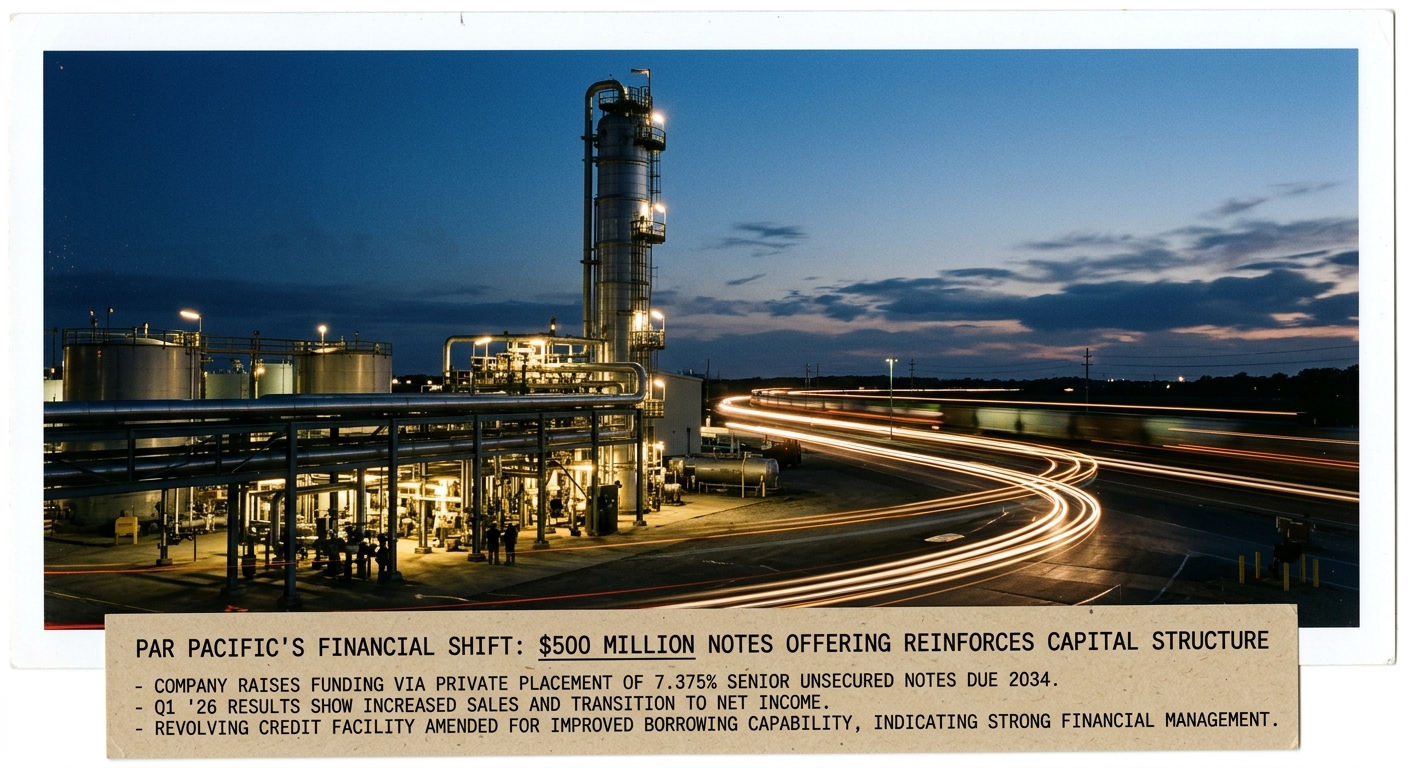
Par Pacific Strengthens Capital Structure with $500 Million Notes Offering and Improved Financial Performance
Par Pacific Holdings, Inc. has recently strengthened its capital structure by completing a $500 million private placement of 7.375% senior unsecured notes, which are set to mature on June 1, 2034. Thi…
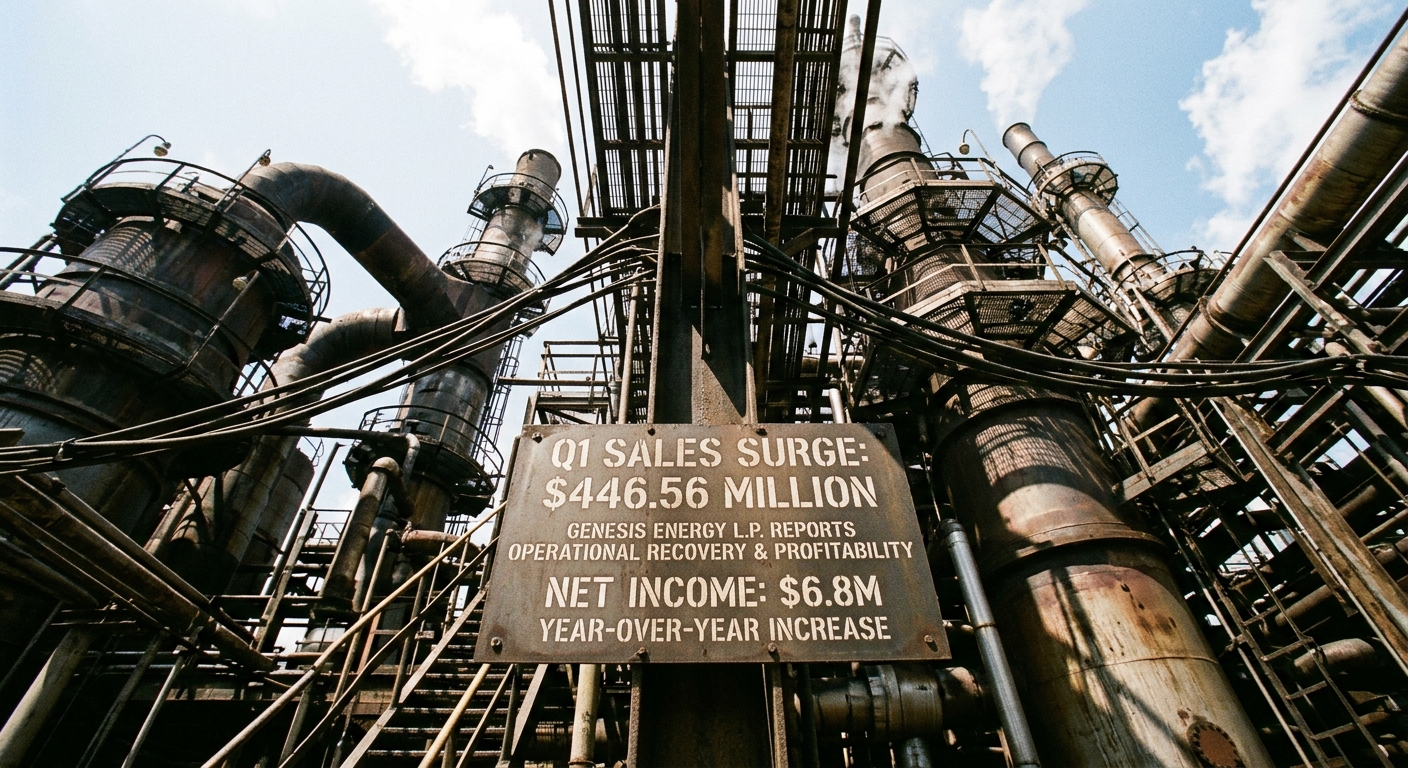
Genesis Energy L.P. Reports Q1 Profitability Surge with $446.56 Million in Sales
Genesis Energy L.P. (Ticker: UNDEFINED) announces its first-quarter financial results, signaling a resurgence in profitability and operational performance. The company reports total sales of $446.56 m…

Nordic American Tankers Finalizes New Leasing Contracts to Strengthen Cash Position and Dividends.
Nordic American Tankers (Ticker: NAT) has recently marked a significant milestone by finalizing multiple new vessel leasing contracts in a favorable tanker market. This strategic move is aimed at rein…

Marine Petroleum Trust Announces Quarterly Distribution Amid Fluctuating Energy Sector Conditions
Marine Petroleum Trust (Ticker: MARPS) announces a quarterly cash distribution of $0.096470 per unit, reflecting a decrease compared to prior distributions. This development highlights the trust's ong…