
Implications of Khamenei's Death for U.S.-Iran Relations and Regional Geopolitics
- Iran's political shift after Khamenei’s death may impact U.S.-Iran relations and geopolitical dynamics in the Middle East.
- U.S. military actions aim to counter Iranian threats but could worsen mistrust and hinder future diplomatic opportunities.
- U.S. businesses must navigate complex strategies in a potentially transformed Iran amid ongoing regional volatility.
Navigating the Aftermath of Iran’s Leadership Shift: Implications for U.S. Relations
The recent death of Iran's Supreme Leader Ayatollah Ali Khamenei precipitates a significant rearrangement of political dynamics in the Middle East, likely resonating beyond Iran's borders and affecting various geopolitical interactions. Khamenei, who led the country since 1989, fostered a “resistance economy” amid intense international sanctions, aiming to bolster domestic self-reliance. His era was punctuated by brutal crackdowns on dissent and widespread civil unrest, particularly over fundamental rights. Now, with his passing, Iran stands at a precarious crossroads, facing a pressing need for political succession and potential transformation, which analysts assert could reshape its governance and international relationships, particularly with the U.S.
In the immediate wake of Khamenei's death, the Iranian diaspora expresses palpable hope for reform or regime change. This sentiment, however, meets stark caution from analysts who note that popular enthusiasm does not ensure a swift transition from autocratic rule. The internal fissures within Iran’s political framework complicate any prospective change, making it difficult to predict whether a new leadership can address the mounting economic grievances that have previously ignited protests against the regime. As Iran grapples with this power vacuum, the global community watches closely, particularly the United States, as they weigh the potential for improved diplomatic relations or heightened strife.
Moreover, the U.S. government’s response framed the military strikes not only as measures against perceived Iranian threats but as an effort to dismantle the foundations of Khamenei's regime. While military action may seek to eliminate immediate threats, the long-term implications potentially deepen the existing rift between Iran and the U.S., exacerbating a climate already fraught with mistrust. The trajectory of Iranian politics and public sentiment, combined with U.S. strategies moving forward, will likely dictate whether a window for future dialogue opens or a cycle of conflict intensifies.
In the broader context, the geopolitical aftermath of Khamenei’s assassination extends beyond U.S.-Iran relations. China and Russia’s measured responses highlight the fragile alliances amidst escalating tensions, emphasizing their preference to maintain diplomatic relations with the U.S. over direct military support for Iran. This reality underscores the complexity of international alliances as national interests frequently override the gestures of solidarity during periods of crisis.
Consequently, as these developments unfold, the landscape for U.S. businesses potentially engaging with Iran or navigating the broader Middle Eastern market becomes increasingly intricate. The administration's focus on dealing with a transformed Iran may shape corporate strategies, particularly as leaders assess the viability of partnerships in a region marked by uncertainty and volatility.
Related Cashu News
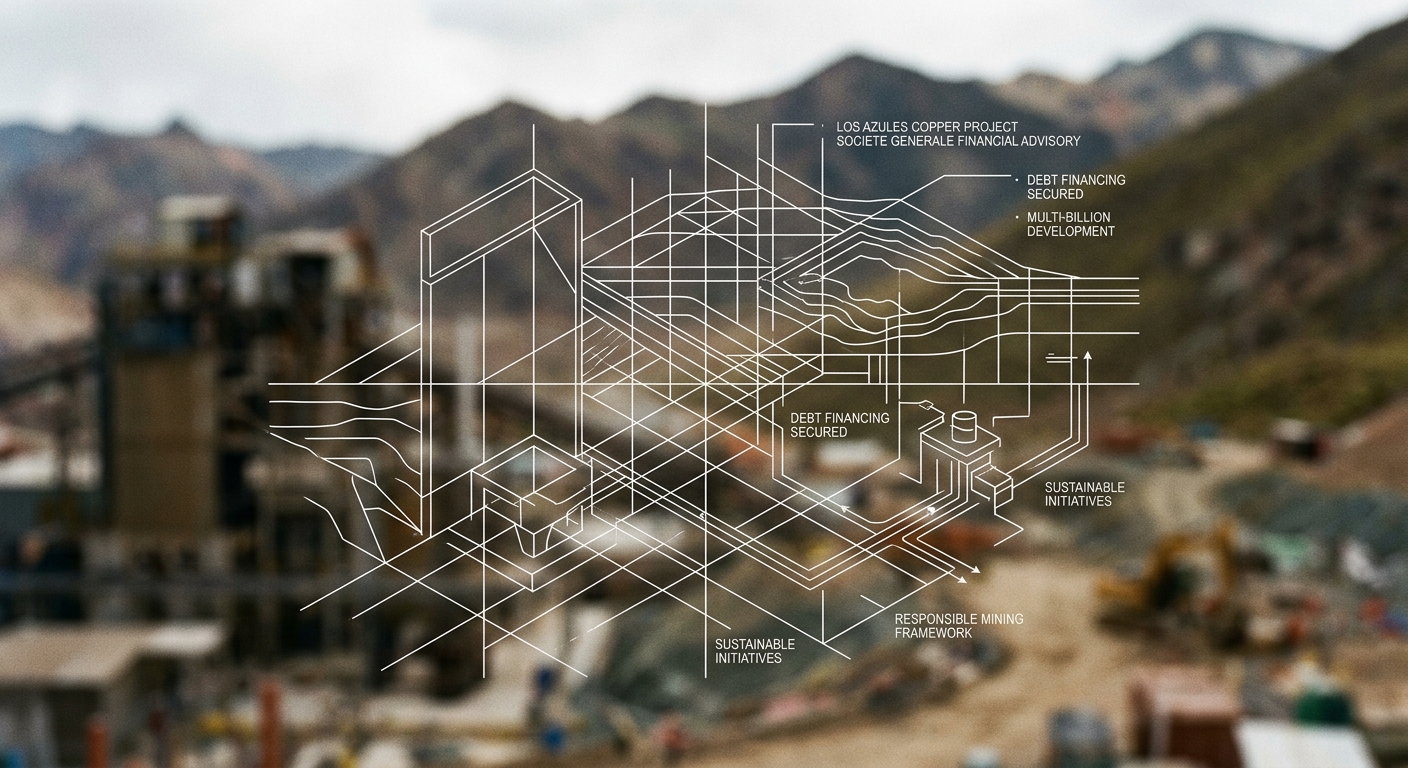
McEwen Mining Advances Los Azules Copper Project with Societe Generale's Financial Support
McEwen Mining has made a significant advancement in its copper mining ambitions by securing Societe Generale as the sole financial advisor for the Los Azules copper project in Argentina. With this str…
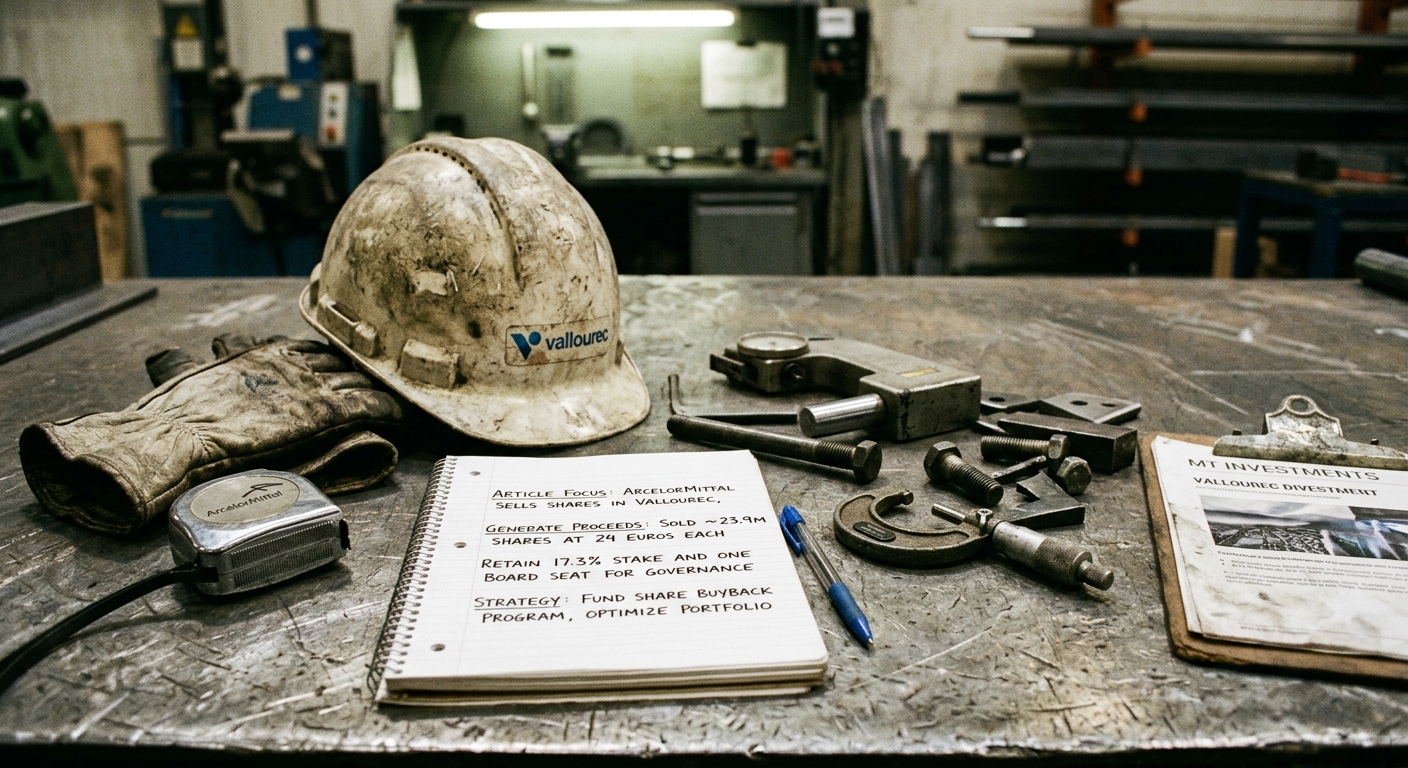
ArcelorMittal Sells Shares in Vallourec to Fund Share Buyback While Retaining Board Influence
In a strategic move, ArcelorMittal (Ticker: UNDEFINED), a leading global steel and mining company, has successfully sold approximately 23.9 million shares of Vallourec at a price of 24 euros per share…
Agnico Eagle Mines Announces Positive Investment Decision for Hope Bay Project in Nunavut
Agnico Eagle Mines Limited (Ticker: UNDEFINED) announces a positive investment decision for its Hope Bay project, reflecting its commitment to economic development in Northern Canada. The company's re…
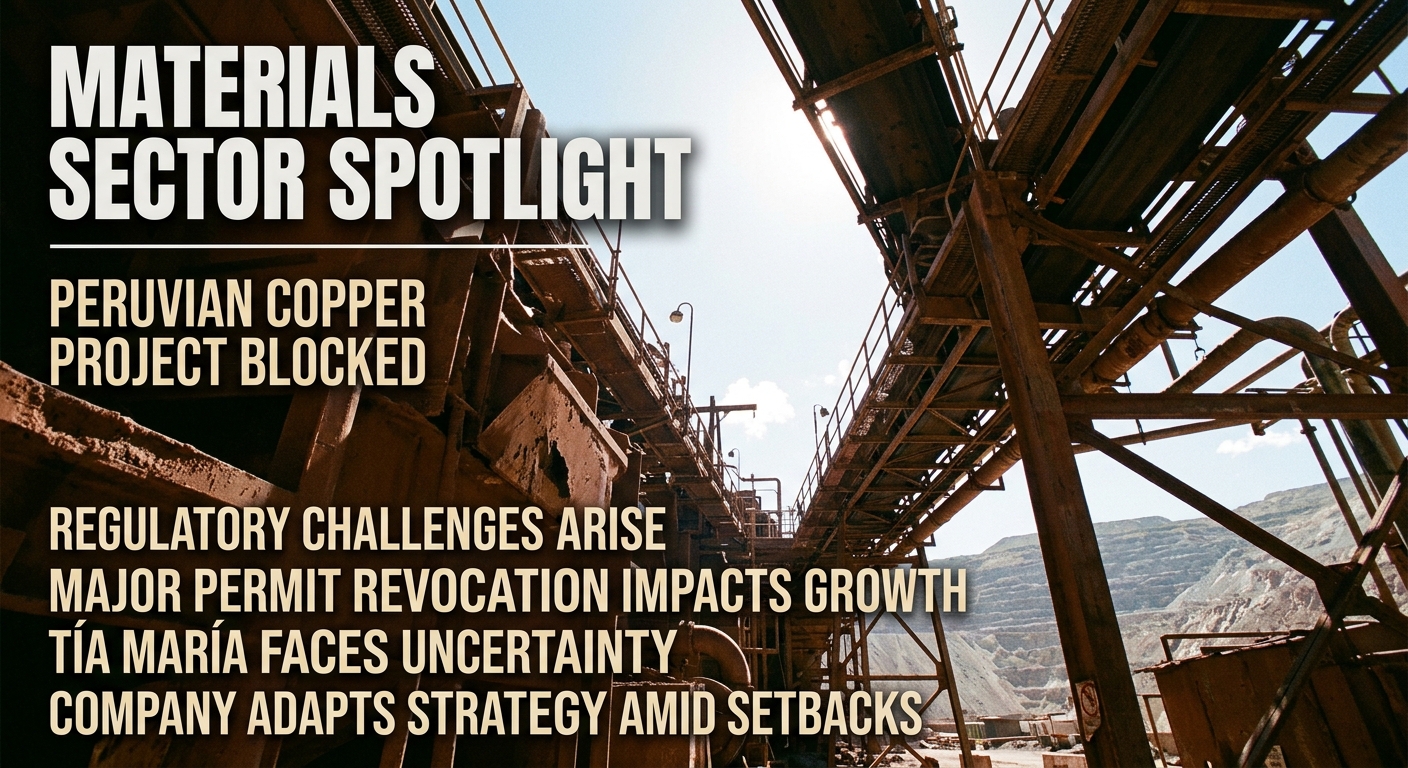
Southern Copper Faces Regulatory Challenges After Tía María Permit Revocation in Peru
Southern Copper Corporation (Ticker: SCCO) faces significant regulatory challenges following the recent revocation of its construction permit for the Tía María project in Peru. This decision marks a c…