
Iran's Leadership Transition: Potential for Reform Amid Geopolitical Tensions and Public Sentiment
- The death of Khamenei could lead to potential reforms in Iran's governance but faces considerable resistance.
- Iranian diaspora shows mixed reactions, balancing hope for change with caution about ongoing oppressive practices.
- Increased U.S. military actions post-Khamenei may complicate Iran's path toward reform and regional stability.
### Transformative Potential in Iran’s Leadership Transition
The recent death of Iranian Supreme Leader Ayatollah Ali Khamenei marks a pivotal moment in Iran's political landscape, reflecting both the fragility of the regime and potential paths toward reform. Khamenei, who has ruled since 1989, entrenched a model of governance that emphasized self-reliance, dubbed the "resistance economy," amid Western sanctions. This approach, however, resulted in discontent, culminating in protests fueled by economic hardships and demands for political change. The aftermath of his passing brings to light the intricate relationship between public sentiment and governmental stability, presenting an opportunity for change but with significant risks.
Iran’s political future now hinges on the succession dynamics, which could either perpetuate the status quo or spark a transformative shift. As the nation navigates leadership transitions, the reaction from the Iranian diaspora signals a desire for reevaluation of long-standing policies. While many express hope for a more reform-oriented regime, analysts remain cautious, highlighting that the death of Khamenei does not guarantee an imminent overthrow or a reformist trajectory. Instead, the complexities of Iran's political apparatus suggest that the potential for meaningful change may still face substantial barriers from entrenched power structures.
The region’s geopolitical context further complicates Iran’s internal dynamics. Following Khamenei's death, heightened tensions arise from recent military actions by the U.S. and Israel aimed at destabilizing Iran’s leadership. This escalation in hostilities poses threats not only to Iran but also to regional stability, as retaliatory strikes and military posturing could exacerbate existing tensions among bordering nations. Analysts suggest that the prospect of reform within Iran must be considered alongside the precarious geopolitical landscape, where the interplay of internal aspirations and external pressures often complicates the nation’s trajectory toward democracy or continued autocratic rule.
### Wider Implications of Instability
As the situation unfolds, the responses from foreign powers will play a critical role in shaping the immediate future for Iran and its public. The loss of Khamenei’s leadership might serve as an inflection point, prompting neighboring countries to reassess their strategies in light of potential changes in Iran’s governance. The risk of retaliation by Iran, particularly following military strikes, may also lead to increased vigilance and potential conflict within the region.
So far, reactions from the Iranian diaspora reflect a significant mix of hope and caution. While many embrace the opportunity for a new direction, others are aware that the power vacuum created does not necessarily equate to imminent political reform nor the end of oppressive governance practices. The next several weeks will be crucial, as the Iranian public and its leaders grapple with a future that could dramatically shift the contours of Iranian society and its role on the global stage.
Related Cashu News
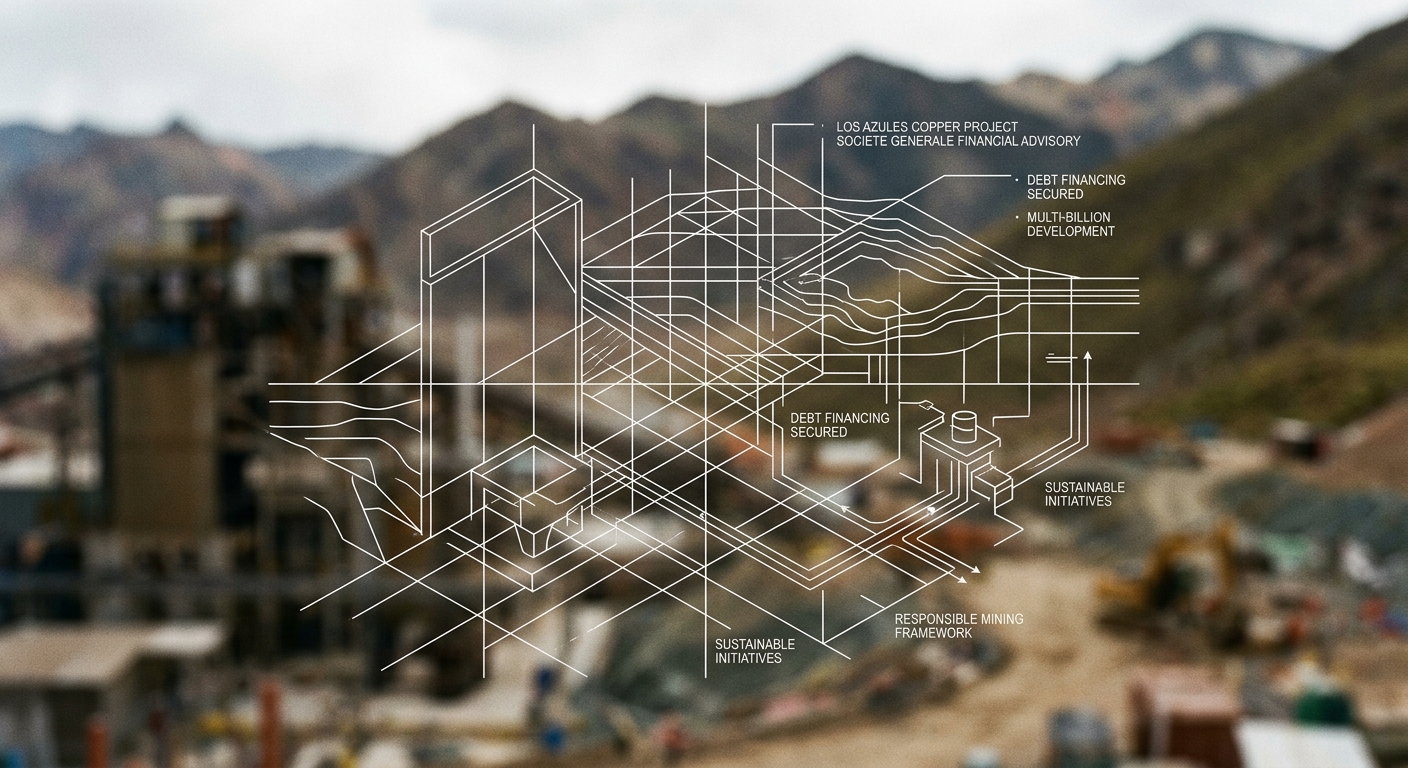
McEwen Mining Advances Los Azules Copper Project with Societe Generale's Financial Support
McEwen Mining has made a significant advancement in its copper mining ambitions by securing Societe Generale as the sole financial advisor for the Los Azules copper project in Argentina. With this str…
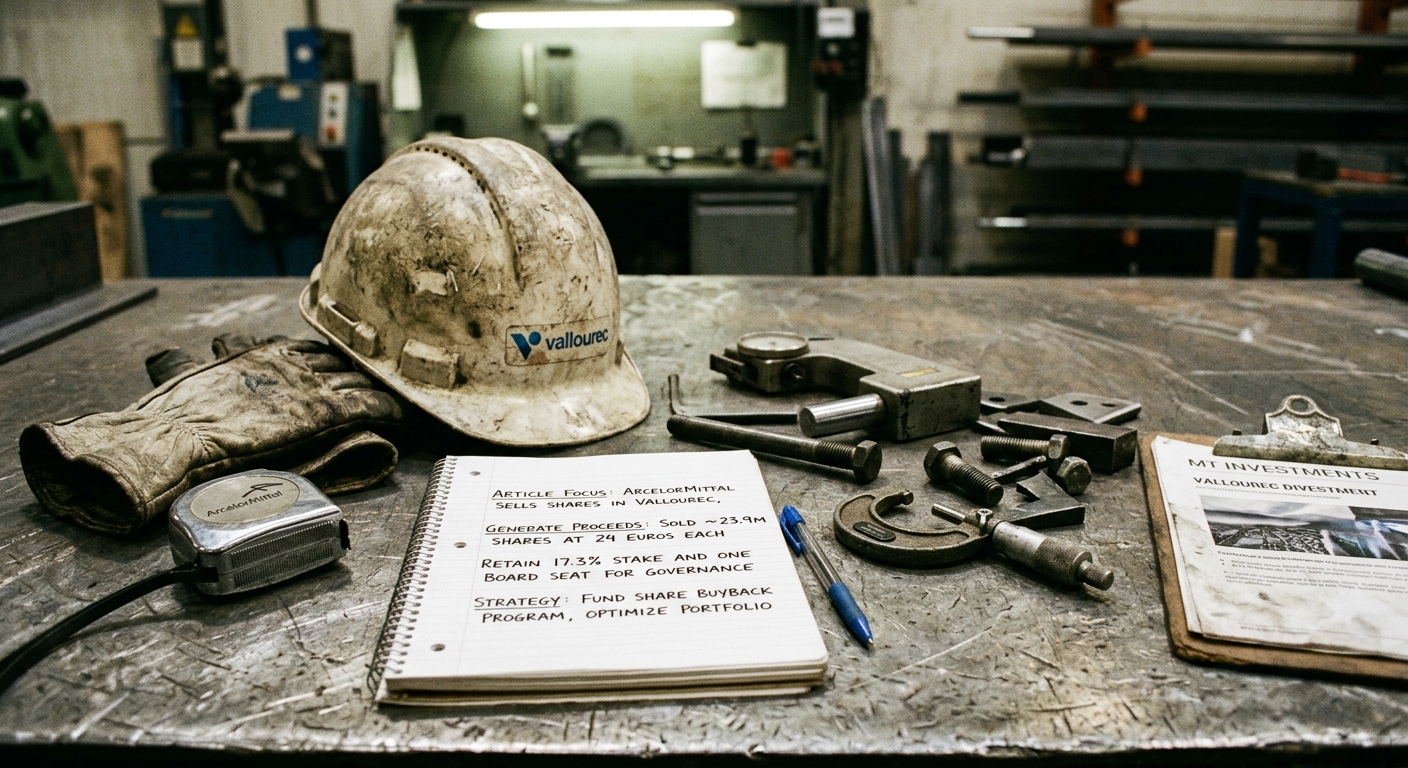
ArcelorMittal Sells Shares in Vallourec to Fund Share Buyback While Retaining Board Influence
In a strategic move, ArcelorMittal (Ticker: UNDEFINED), a leading global steel and mining company, has successfully sold approximately 23.9 million shares of Vallourec at a price of 24 euros per share…
Agnico Eagle Mines Announces Positive Investment Decision for Hope Bay Project in Nunavut
Agnico Eagle Mines Limited (Ticker: UNDEFINED) announces a positive investment decision for its Hope Bay project, reflecting its commitment to economic development in Northern Canada. The company's re…
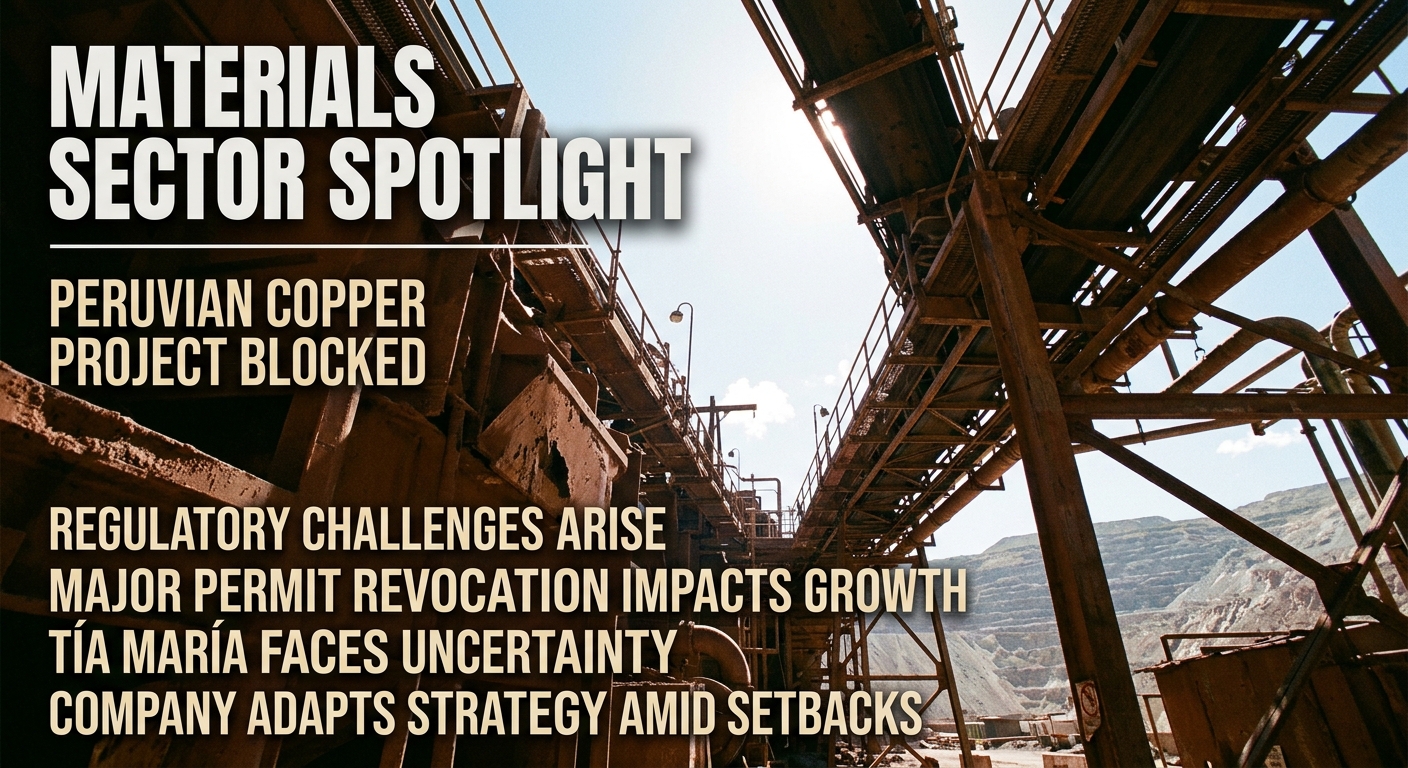
Southern Copper Faces Regulatory Challenges After Tía María Permit Revocation in Peru
Southern Copper Corporation (Ticker: SCCO) faces significant regulatory challenges following the recent revocation of its construction permit for the Tía María project in Peru. This decision marks a c…