
Japan's $550B LNG Push Recasts Priorities for U.S. Exporters, Boosting Cheniere Energy
- Japanese funding could ease finance for Cheniere’s Sabine Pass and Corpus Christi expansions, accelerating capacity build-outs to meet Asian demand.
- Japanese backing may push Cheniere to prioritize new liquefaction trains, regas terminals, or vessel-support infrastructure.
- Cheniere must balance faster construction with permitting, emissions limits, and local job and community benefit demands.
Tokyo’s LNG Push Recasts Priorities for U.S. Exporters like Cheniere
Japan launches the first projects under a $550 billion pledge that explicitly targets U.S. liquefied natural gas infrastructure, sharpening the spotlight on major exporters such as Cheniere Energy. The scale and sector focus of the initiative signal sustained Japanese capital flows into export terminals, pipelines and associated port facilities, which could ease financing constraints for expansions and brownfield enhancements at hubs including Sabine Pass and Corpus Christi. For Cheniere, which operates large-scale liquefaction and loading terminals, the announcement raises the prospect of faster capacity build-outs to meet long-term Asian demand and deepen commercial ties with Japanese utilities and trading houses.
The Japanese deployment is framed as securing supply lines for its own energy needs while supporting U.S. industrial activity, and that alignment matters for operators handling long-term contract structures and scheduling of feedgas and LNG carriers. Increased external financing and bilateral coordination may prompt closer planning between developers and regulators to compress permitting timelines and resolve bottlenecks around interconnection, marine access, and on-site emissions controls. Cheniere and peers face practical choices about where to direct investment—new liquefaction trains, downstream regas terminals, or infrastructure to support higher vessel throughput—and Japanese backing could tilt those commercial calculations toward accelerated execution.
At the same time, the influx of capital and political attention intensifies scrutiny from stakeholders concerned about environmental and community impacts. State regulators, labor groups and advocacy organizations press for assurances on emissions reductions, local job guarantees and responsible supply chains for feed gas and materials, complicating project approvals even as funding becomes available. Industry participants including Cheniere must therefore balance expedited build schedules with anticipated conditions on permitting, carbon emissions and community benefits that could reshape project scope and operating practices.
Implications for power and critical-minerals supply chains
Beyond LNG, Japan’s plan concurrently prioritizes power generation and upstream/downstream critical-minerals activities, which intersects with gas-fired generation economics and materials needed for electrification technologies. Expansions in U.S. LNG export capacity influence domestic gas flows and the fuel mix for power plants, while parallel mineral investments aim to shore up inputs for turbines, batteries and grid hardware.
Policy and market observers expect a more active role from state and local authorities and faster interagency coordination as the first projects move from announcement to execution. How quickly capital translates into concrete construction, operational capacity and contractual flows to Japan remains a central question shaping near-term planning across the U.S. LNG sector.
Related Cashu News
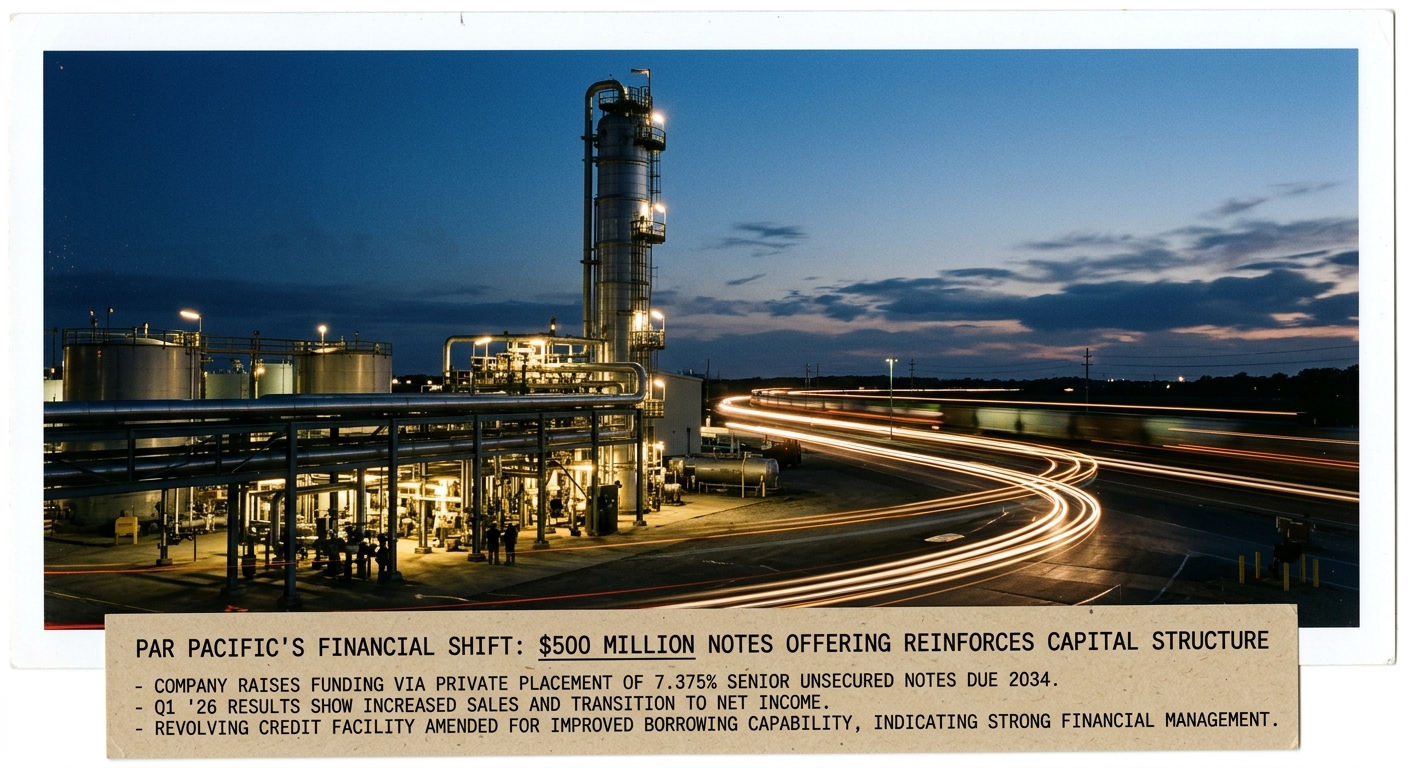
Par Pacific Strengthens Capital Structure with $500 Million Notes Offering and Improved Financial Performance
Par Pacific Holdings, Inc. has recently strengthened its capital structure by completing a $500 million private placement of 7.375% senior unsecured notes, which are set to mature on June 1, 2034. Thi…
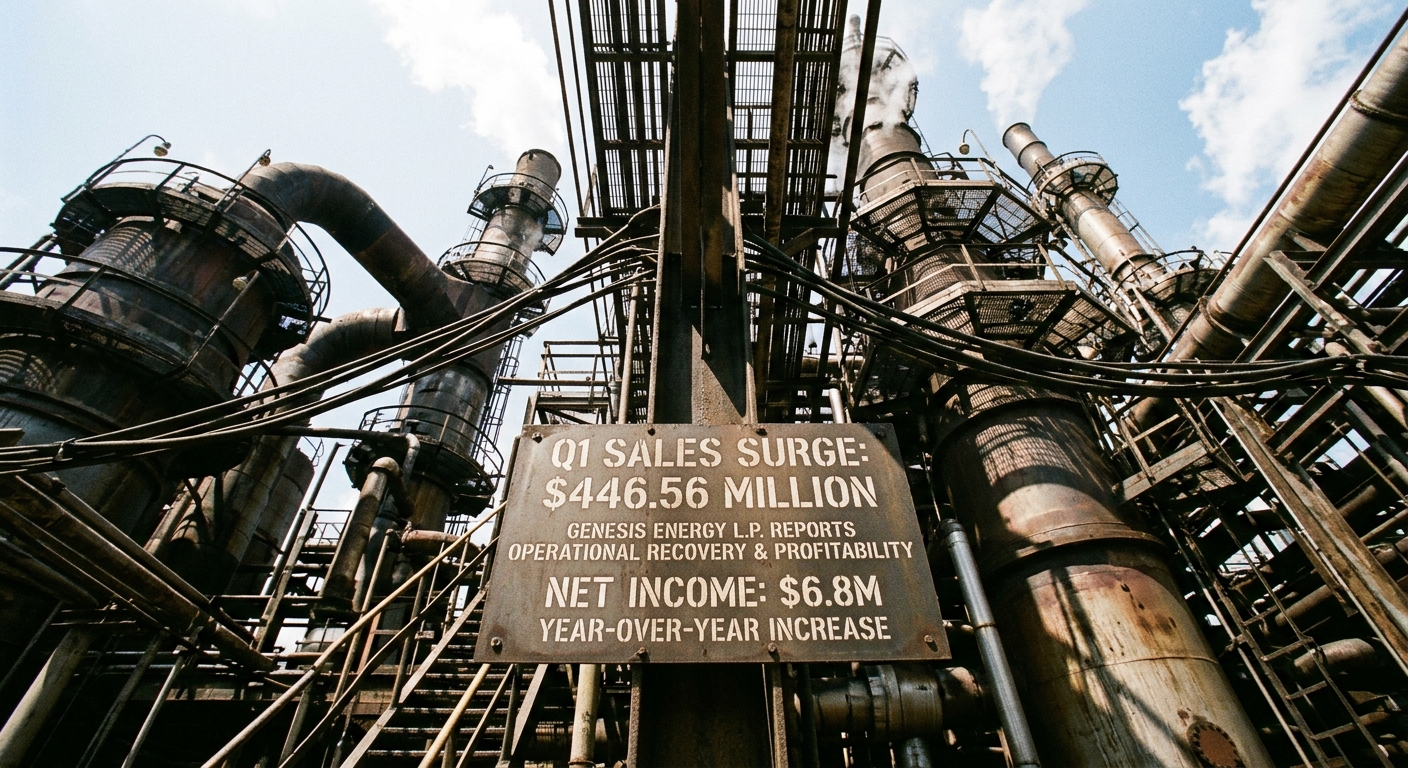
Genesis Energy L.P. Reports Q1 Profitability Surge with $446.56 Million in Sales
Genesis Energy L.P. (Ticker: UNDEFINED) announces its first-quarter financial results, signaling a resurgence in profitability and operational performance. The company reports total sales of $446.56 m…

Nordic American Tankers Finalizes New Leasing Contracts to Strengthen Cash Position and Dividends.
Nordic American Tankers (Ticker: NAT) has recently marked a significant milestone by finalizing multiple new vessel leasing contracts in a favorable tanker market. This strategic move is aimed at rein…
Marine Petroleum Trust Announces Quarterly Distribution Amid Fluctuating Energy Sector Conditions
Marine Petroleum Trust (Ticker: MARPS) announces a quarterly cash distribution of $0.096470 per unit, reflecting a decrease compared to prior distributions. This development highlights the trust's ong…