
Japan’s $550B U.S. Energy Push Targets LNG Networks, Puts Williams Companies Center Stage
- Japan's $550B push spotlights Williams as a key midstream player critical to LNG export build-out.
- Williams' Transco pipelines and processing may need added capacity, compressors, interconnections, and longer-term contracts.
- Regulatory, community and labor scrutiny plus project-timing uncertainty could slow Williams' infrastructure deployments.
Japanese $550 Billion Push Targets U.S. Gas Networks, Puts Williams at Center of Build-Out
Japan’s pledge of up to $550 billion in investments into U.S. energy and industrial projects places new emphasis on expanding liquefied natural gas (LNG) export capacity and the pipelines and processing that feed it — infrastructure where Williams Companies is a key industry player. The administration frames the initiative as a bilateral effort to scale up LNG terminals, power generation and critical-minerals supply chains, and the immediate policy focus is on moving gas from inland production basins to Gulf Coast export hubs. For Williams, which operates major interstate pipelines and midstream gas-processing and NGL systems, that translates into potential demand for added takeaway capacity, compressor upgrades, interconnections and storage to support higher export flows.
Williams’ Transco pipeline and related processing assets already link large producing regions to coastal markets, and the pledge effectively accelerates the rationale for new midstream projects and brownfield expansions. Market participants and company planners are therefore prioritizing options that increase throughput to liquefaction sites — from adding horsepower to building new lateral lines or yards — and that strengthen backbone capacity into export corridors. Because the Japanese commitment is oriented to long-term supply security, developers and operators such as Williams may pursue longer-duration contracts and coordinated build schedules with export terminal sponsors, while working through the Federal Energy Regulatory Commission and state permitting processes that govern siting and environmental review.
That win-win narrative carries caveats that directly affect Williams’ operating calculus. Environmental groups, host communities and some state regulators are intensifying scrutiny of new pipeline and compressor projects, demanding tighter methane controls, emissions mitigation and community benefits. Labor organizations are likewise seeking secure local hiring and prevailing wages on construction. With the overarching investment pledge lacking a public project list and detailed timelines, Williams and peers face uncertainty over how quickly capital translates into shovel-ready projects and how regulators and stakeholders will condition approvals.
Wider industrial and market implications
The Japanese effort also targets power generation and critical minerals, which bolsters industrial demand for reliable gas-fired generation and process heat, and could increase seasonal and baseload gas flows on midstream systems. Analysts expect the promise of sustained capital to influence LNG trading dynamics and encourage upstream and downstream coordination that benefits pipeline throughput.
Regulatory and community pressure remains central
State and local engagement, expedited permitting initiatives and coordinated interagency reviews are likely to shape which projects move first. For Williams, balancing accelerated infrastructure deployment with community, environmental and labor expectations will determine how rapidly its networks absorb and deliver the new export-oriented volumes.
Related Cashu News
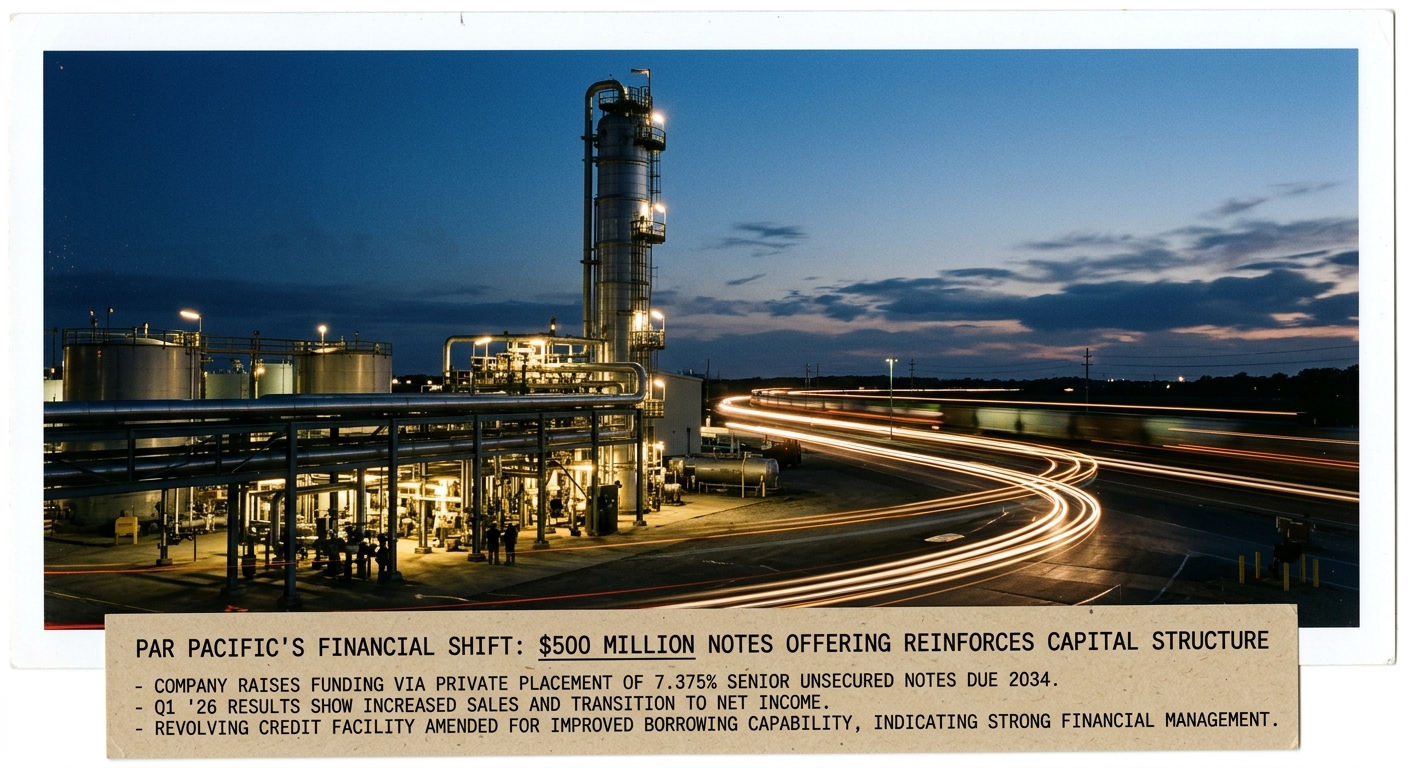
Par Pacific Strengthens Capital Structure with $500 Million Notes Offering and Improved Financial Performance
Par Pacific Holdings, Inc. has recently strengthened its capital structure by completing a $500 million private placement of 7.375% senior unsecured notes, which are set to mature on June 1, 2034. Thi…
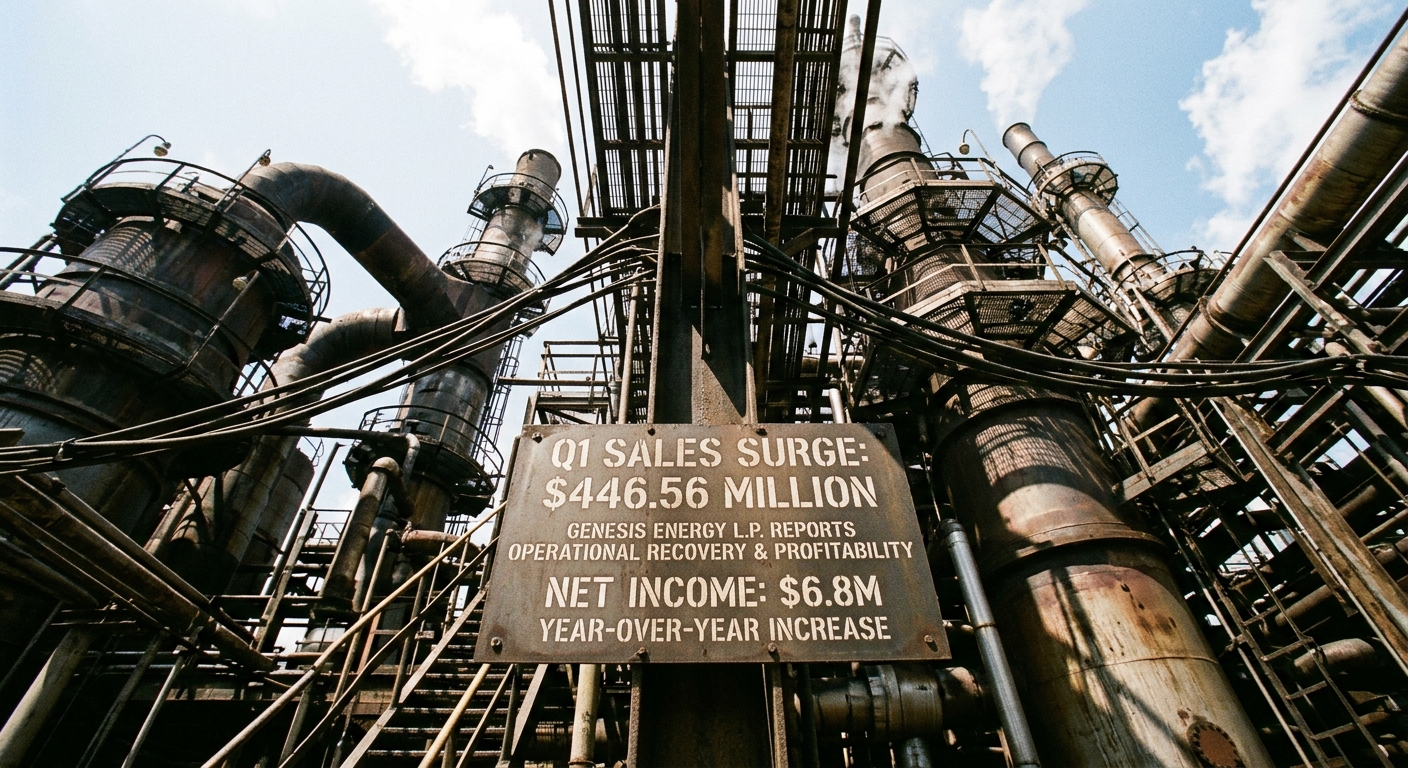
Genesis Energy L.P. Reports Q1 Profitability Surge with $446.56 Million in Sales
Genesis Energy L.P. (Ticker: UNDEFINED) announces its first-quarter financial results, signaling a resurgence in profitability and operational performance. The company reports total sales of $446.56 m…

Nordic American Tankers Finalizes New Leasing Contracts to Strengthen Cash Position and Dividends.
Nordic American Tankers (Ticker: NAT) has recently marked a significant milestone by finalizing multiple new vessel leasing contracts in a favorable tanker market. This strategic move is aimed at rein…
Marine Petroleum Trust Announces Quarterly Distribution Amid Fluctuating Energy Sector Conditions
Marine Petroleum Trust (Ticker: MARPS) announces a quarterly cash distribution of $0.096470 per unit, reflecting a decrease compared to prior distributions. This development highlights the trust's ong…