
JPMorgan Adjusts Private Credit Exposure Amid Sector Concerns and Investor Withdrawals
- JPMorgan is reducing exposure to private credit by adjusting collateral values, signaling cautious risk management strategies.
- This proactive move reflects concerns about loans issued to software companies and risks from "back-leverage" strategies.
- The adjustments may require private credit firms to enhance collateral commitments amid rising market pressures and liquidity issues.
JPMorgan's Strategic Move Signals Concern for the Private Credit Sector
JPMorgan Chase & Co. has taken a decisive step under CEO Jamie Dimon, reducing its exposure to the private credit market by adjusting the value of collateralized loans. This move comes amid growing scrutiny of loans issued primarily to software companies, especially in the wake of potential risks linked to artificial intelligence technologies. By marking down these loans, JPMorgan sets a precedent as one of the first major banks to proactively recalibrate collateral valuations, reflecting an overarching commitment to financial discipline and risk management in a rapidly evolving economic landscape. The adjustments aim to ascertain the bank's willingness to mitigate risks associated with "back-leverage" strategies utilized by many private credit firms to enhance returns, strategies that can significantly amplify risk.
The shifts in valuation are attributed to market dynamics and not indicative of defaults, which underscores JPMorgan's strategic foresight in anticipating challenges rather than reacting to crises. By implementing collateral markdowns, the bank effectively restricts the borrowing capacities of private credit firms, a maneuver that may require them to bolster their collateral commitments amid increasing market pressures. This calculated response emerges as retail investors withdraw funds from private credit firms, culminating in elevated redemption requests from companies like Blue Owl Capital and Blackstone. As these firms face growing liquidity issues, the sector grapples with heightened expectations regarding sustainability and stability.
In the broader context, these developments pose a significant concern for the private credit ecosystem, particularly as industry experts caution about a potential liquidity spiral. There is a perception among investors that the direct lending market is increasingly vulnerable, especially following the recent failures of firms such as Tricolor and First Brands. At the same time, around 80% of the direct lending market consists of structures preventing on-demand withdrawals, which may mitigate some risks but not entirely shield the sector from investor anxiety. The focus on sustained asset management now seems vital for stakeholders, as private credit transitions from a perceived stable investment to a sector characterized by increasing volatility and uncertainty.
In related news, the stock price of Blue Owl Capital has plummeted approximately 70% from its previous peak, highlighting investor concern over liquidity issues within the private credit fund space. This decline serves as a bellwether for the overall market sentiment regarding private credit strategies, forcing stakeholders to reconsider the viability of these investments as economic conditions fluctuate.
Meanwhile, share performances among other private credit firms, such as Blackstone and Apollo Global, also demonstrate the sector's vulnerabilities amid recent changes in investor sentiment. As the liquidity challenges continue to impact financial performance, market participants remain vigilant regarding the evolving landscape of private credit investments.
Related Cashu News
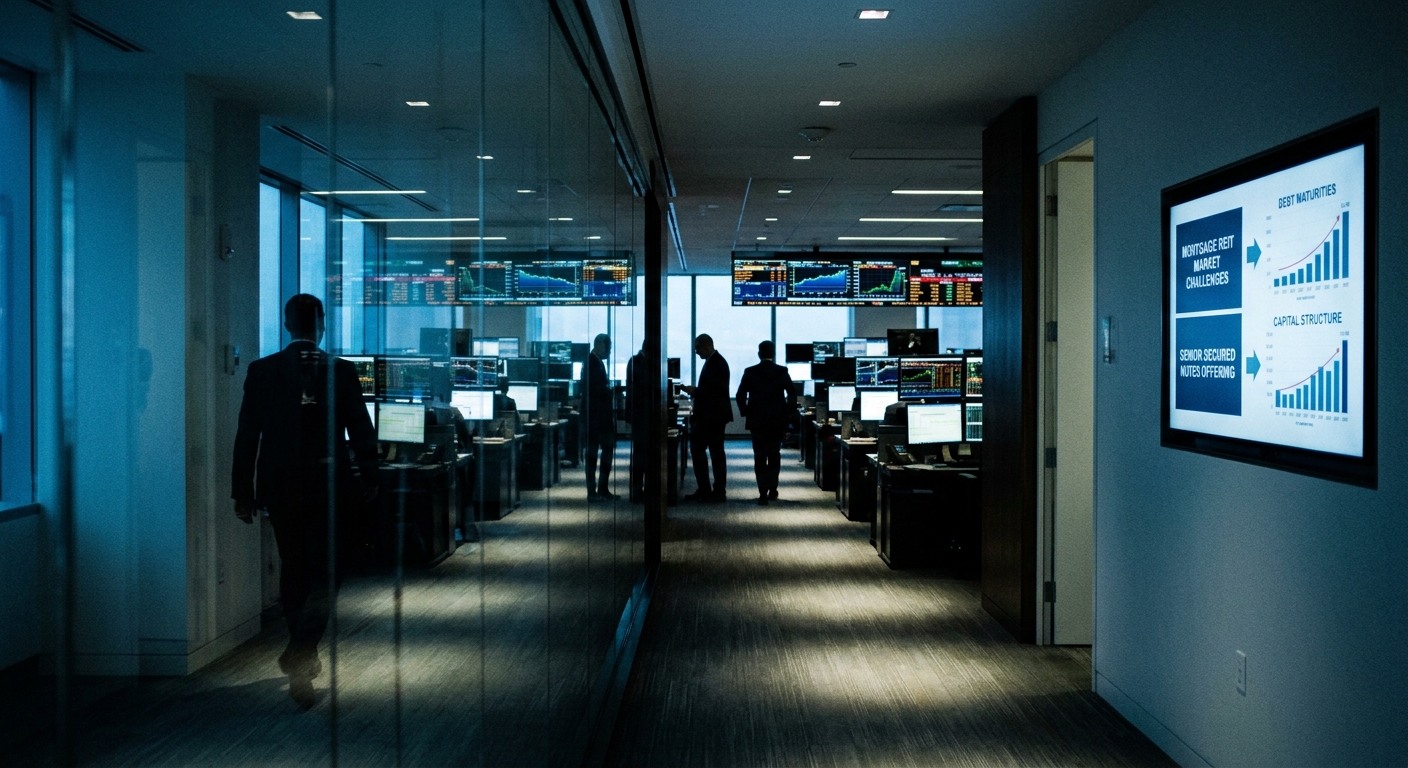
Blackstone Mortgage Trust Launches $450 Million Senior Secured Notes for Financial Stability
Blackstone Mortgage Trust (Ticker: UNDEFINED) has initiated a private offering of US$450 million in senior secured notes due in 2031, marking a strategic move to strengthen its capital structure. This…
![AllianceBernstein Partners with Brookfield and Carlyle to Launch ABC [ONE] Retirement Solution.](https://firebasestorage.googleapis.com/v0/b/cashuapplication.appspot.com/o/cashuNewsData%2Fe612a612bbd7a184b952afc6b0cafecacfe232d3%2Fnews_e612a612bbd7a184b952afc6b0cafecacfe232d3.png?alt=media&token=019545694f4417154e316de7809f1ae8)
AllianceBernstein Partners with Brookfield and Carlyle to Launch ABC [ONE] Retirement Solution.
AllianceBernstein Holding L.P. (Ticker: UNDEFINED) collaborates with Brookfield Asset Management and Carlyle to launch an innovative retirement solution, ABC [ONE], aimed at enhancing asset class dive…
Houlihan Lokey Advises GoPro in Strategic Review Amid Market Changes
Houlihan Lokey (Ticker: HLI) has recently been appointed as the exclusive financial advisor to GoPro, a well-known consumer electronics company. This appointment marks a pivotal moment as GoPro embark…

Federated Hermes Announces Steve Chiavarone as New Chief Investment Officer for Global Equities
Federated Hermes, Inc. (Ticker: UNDEFINED) undergoes a pivotal leadership transition with the appointment of Steve Chiavarone, CFA, as its new Chief Investment Officer for Global Equities, effective S…