
JPMorgan Raises Alarm on Proposed Credit Card Interest Rate Cap’s Economic Impact
- JPMorgan Chase's CEO warns that a 10% credit card interest rate cap could lead to an economic disaster.
- The executives suggest piloting the cap in select states to evaluate its impact on credit availability.
- JPMorgan Chase emphasizes the need for balanced regulations to protect consumers without stifling credit access.
JPMorgan Chase Raises Concerns Over Proposed Credit Card Interest Rate Cap
As discussions at the World Economic Forum in Davos unfold, JPMorgan Chase & Company stands at the forefront of a significant debate surrounding proposed changes to credit card interest rates. President Donald Trump's recent initiative to cap credit card interest rates at 10% for a year garners mixed reactions, with JPMorgan's CEO Jamie Dimon and CFO Jeremy Barnum expressing serious apprehensions about the potential economic fallout. Dimon warns that while the intention behind the proposal is to safeguard consumers from high-interest rates, it may inadvertently lead to an "economic disaster," limiting credit access for an estimated 80% of Americans who rely on credit as a financial lifeline.
Dimon articulates that the cap, while aimed at protecting consumers from exorbitant rates often exceeding 20%, could have unintended consequences that restrict access to credit. His cautionary stance emphasizes that many individuals depend on credit cards for essential purchases and emergencies. The JPMorgan executives advocate for a more measured approach, suggesting that the cap should first be piloted in states like Vermont and Massachusetts before a broader implementation is considered. This proposed testing phase aims to assess the real-world impact on credit availability and consumer behavior, ensuring that any nationwide policy does not compromise financial stability for the majority of Americans.
The discourse at Davos reflects a broader concern within the financial industry about regulatory measures that prioritize consumer protection but may inadvertently stifle credit markets. With Klarna's CEO Sebastian Siemiatkowski supporting the cap, the conversation intensifies around finding a balance between safeguarding consumers and maintaining economic health. The divergence of opinions highlights the complexities of financial regulations and their potential ripple effects across the economy, making it a critical topic for policymakers and financial institutions alike.
In addition to the credit cap debate, the current political landscape significantly influences financial strategies. As President Trump prepares to address the World Economic Forum, there are anticipations that he will discuss domestic priorities, including housing initiatives and potential executive actions to limit institutional home purchases. However, sentiment surveys indicate a growing public concern regarding affordability, which could shape the administration's approach to economic policies moving forward.
Related Cashu News

Western Alliance Bancorp Faces Scrutiny Over Non-Performing Loan and Declining Stock Performance
Western Alliance Bancorporation (Ticker: UNDEFINED) faces heightened scrutiny following a significant disclosure regarding its asset quality, which raises concerns about the bank's credit risk and ope…
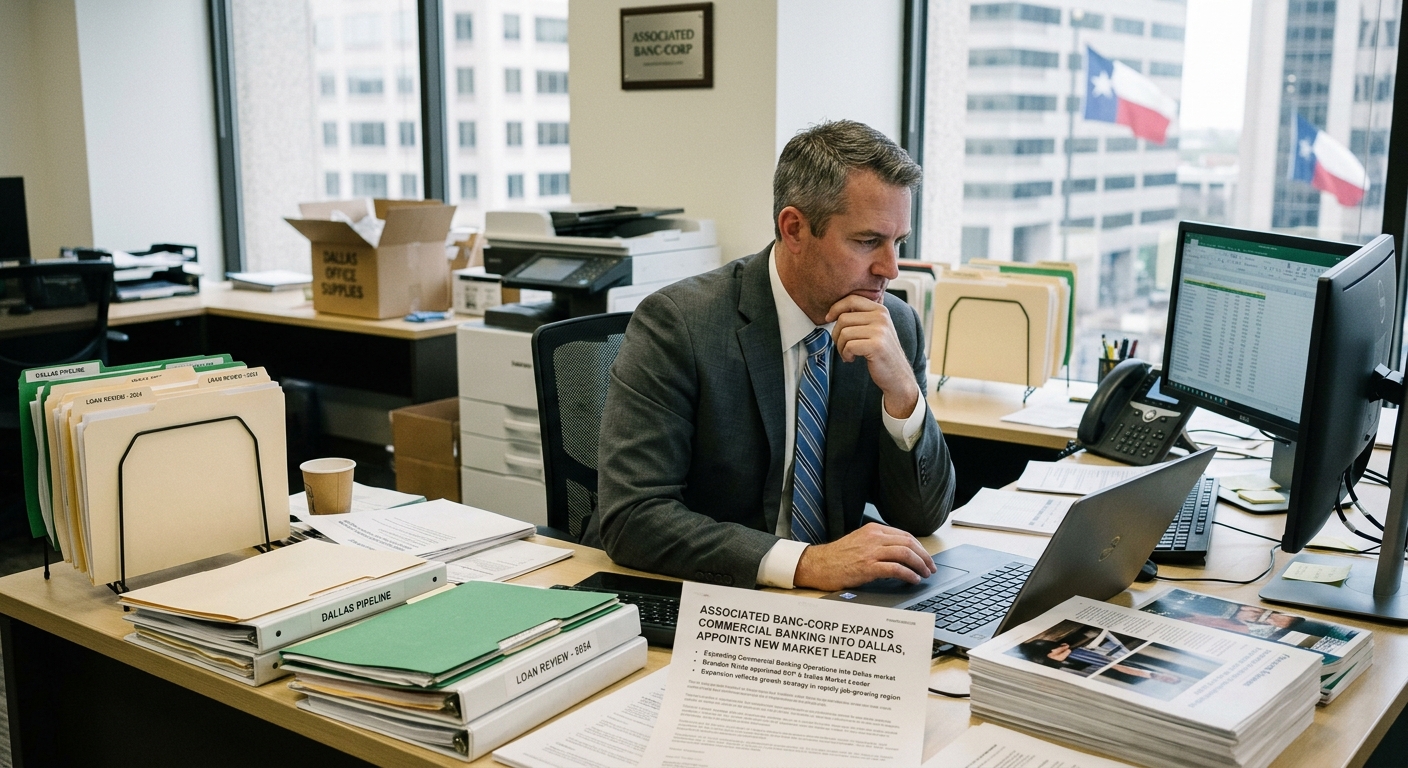
Associated Banc-Corp Expands Commercial Banking into Dallas, Appoints New Market Leader
Associated Banc-Corp (Ticker: UNDEFINED) is expanding its commercial banking operations into the Dallas market, capitalizing on recent success in Kansas City. The bank appoints Brandon White as the se…

S&T Bancorp Strengthens Business Banking Focus with New Director Appointment
S&T Bancorp has taken significant steps to enhance its focus on small and midsize businesses with the appointment of Julie Lane as the new director of business banking and senior vice president. This…

Dime Community Bancshares Launches Equipment & Franchise Finance Group Amidst Stock Fluctuations.
Dime Community Bancshares (Ticker: DCOM) has recently established an Equipment & Franchise Finance Group targeted at providing tailored financing options for middle market borrowers and established fr…