
JPMorgan's Warnings on Credit Card Interest Rate Caps and Economic Stability Risks
- JPMorgan Chase & Company's CEO Jamie Dimon warns that a 10% interest rate cap could harm credit access for many Americans.
- CFO Jeremy Barnum indicates that the proposed cap could drastically alter credit services and reduce consumer access to credit.
- JPMorgan advocates for cautious trials of interest rate caps, emphasizing the need to balance consumer protection with financial system stability.
JPMorgan's Caution Amidst Proposed Credit Card Interest Rate Caps
In recent discussions surrounding consumer finance, JPMorgan Chase & Company's leadership expresses significant concern over President Donald Trump's proposal to impose a cap on credit card interest rates at 10% for one year. This initiative, designed to protect consumers from high-interest rates that often exceed 20%, has garnered mixed reactions within the financial industry. While some, like Klarna CEO Sebastian Siemiatkowski, endorse the measure as a necessary reform, JPMorgan's CEO Jamie Dimon warns that such a cap may lead to severe economic repercussions, potentially curtailing credit access for a vast majority of Americans.
Dimon articulates that the proposed cap, while seemingly beneficial for consumers, could result in an "economic disaster." He cautions that limiting interest rates in this manner may drive lenders to restrict credit availability, which is especially crucial for lower-income individuals who depend on credit as a financial safety net. Dimon suggests a more cautious approach, proposing that the cap be trialed in specific states, such as Vermont and Massachusetts, before considering a nationwide rollout. This recommendation underscores the complexities involved in balancing consumer protection with the potential risks to the financial ecosystem.
Moreover, JPMorgan's CFO Jeremy Barnum adds to the discourse by highlighting the broader implications of the proposed cap on the credit market. He notes that if enacted, the changes could dramatically alter how credit services are provided, ultimately leading to widespread loss of access for consumers. The ongoing debate surrounding interest rate caps reflects a critical juncture in U.S. consumer finance, with key stakeholders weighing the immediate benefits to consumers against the long-term stability of the credit market.
In the backdrop of these discussions, the World Economic Forum in Davos serves as a platform for further dialogue on financial regulations and consumer protection. As leaders from various sectors convene, the ramifications of proposed policies like interest rate caps will likely influence the future landscape of consumer finance and economic policy in the United States. The outcomes of these deliberations will be pivotal for both consumers and financial institutions alike.
The discourse surrounding credit card interest rates underscores a growing concern over the balance between consumer rights and economic stability. As the U.S. navigates these contentious issues, JPMorgan Chase & Company remains at the forefront, advocating for measures that protect both consumers and the health of the financial system.
Related Cashu News

Western Alliance Bancorp Faces Scrutiny Over Non-Performing Loan and Declining Stock Performance
Western Alliance Bancorporation (Ticker: UNDEFINED) faces heightened scrutiny following a significant disclosure regarding its asset quality, which raises concerns about the bank's credit risk and ope…
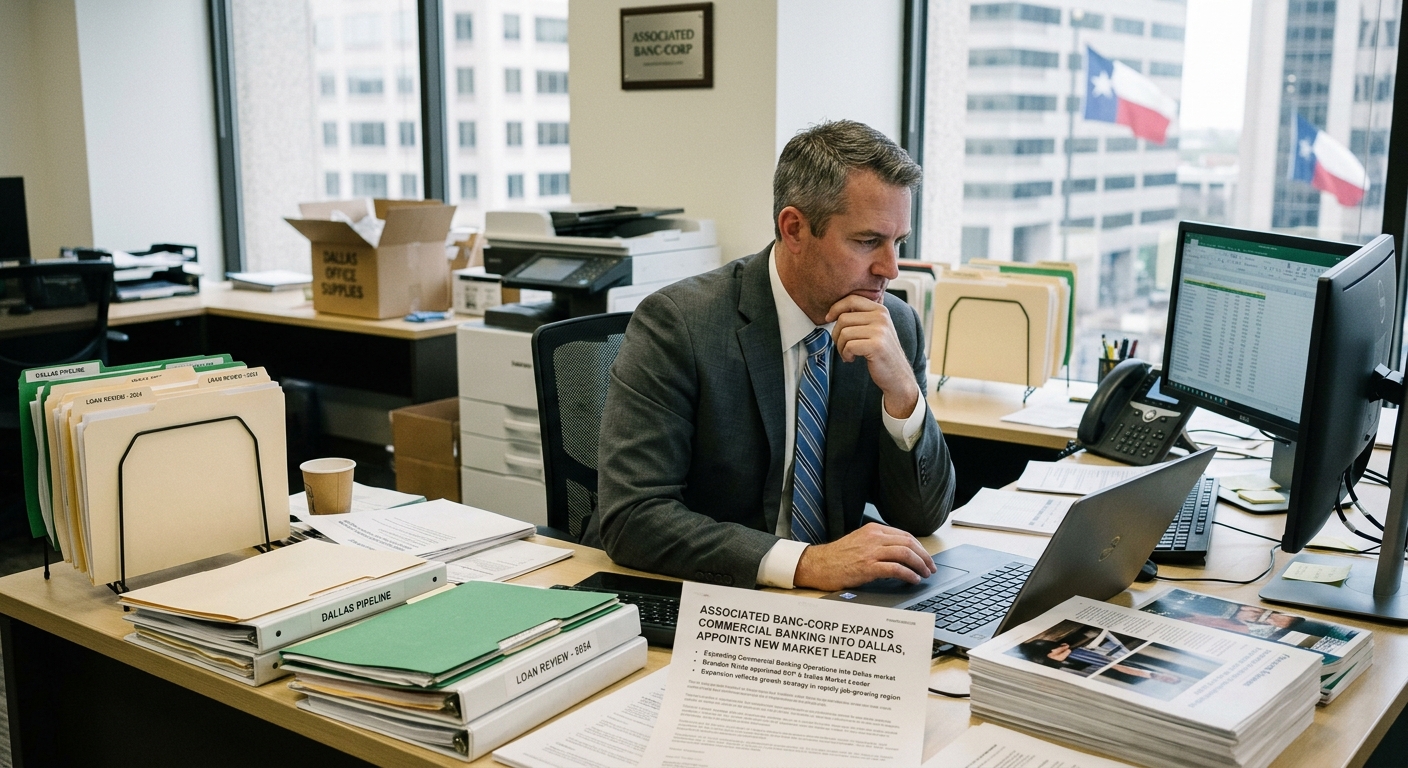
Associated Banc-Corp Expands Commercial Banking into Dallas, Appoints New Market Leader
Associated Banc-Corp (Ticker: UNDEFINED) is expanding its commercial banking operations into the Dallas market, capitalizing on recent success in Kansas City. The bank appoints Brandon White as the se…

S&T Bancorp Strengthens Business Banking Focus with New Director Appointment
S&T Bancorp has taken significant steps to enhance its focus on small and midsize businesses with the appointment of Julie Lane as the new director of business banking and senior vice president. This…

Dime Community Bancshares Launches Equipment & Franchise Finance Group Amidst Stock Fluctuations.
Dime Community Bancshares (Ticker: DCOM) has recently established an Equipment & Franchise Finance Group targeted at providing tailored financing options for middle market borrowers and established fr…