
Kuwait's Oil Production Cuts Amid Regional Tensions Impacting Global Energy and Shipping
- Kuwait's oil production cuts aim to stabilize output amid rising tensions affecting tanker transit in the Persian Gulf.
- International Seaways faces challenges as ship owners hesitate to navigate the Strait of Hormuz due to security threats.
- Rising freight rates and supply chain issues increase complexity for maritime transportation firms amid ongoing geopolitical tensions.
Kuwait's Strategic Oil Production Cuts Amid Rising Regional Tensions
Kuwait’s decision to implement precautionary reductions in oil production and refining is a response to escalating threats from Iran, which have significantly impacted tanker transit through the Persian Gulf, especially the crucial Strait of Hormuz. This strategic waterway is integral for global oil exports, accounting for around 20% of worldwide oil consumption. Although the precise volume of Kuwait's production cuts remains undisclosed, it is noteworthy that the country produced approximately 2.6 million barrels per day in January. These actions reflect Kuwait’s cautious approach to stabilizing its oil output in a turbulent geopolitical landscape, where security risks could severely disrupt operations.
The turmoil in the region has already prompted Iraq to curtail its oil production by 1.5 million barrels per day due to storage constraints, suggesting the onset of a broader supply crisis. If geopolitical tensions between the U.S. and Iran extend beyond three weeks, there is a significant risk that Gulf nations might reach their storage capacity limits, leading to further production halts. Such an escalation could drive Brent crude oil prices above $100 per barrel, as noted by experts, suggesting that the entire region is on edge as it grapples with service disruptions. The potential for widespread production cuts, estimated to exceed 4 million barrels per day, illuminates the precarious nature of the current energy market.
As international developments unfold, the implications for the shipping and logistics sector, particularly for companies like International Seaways, are profound. With ship owners increasingly reluctant to navigate the Strait of Hormuz due to threats of Iranian attacks, the shipping routes vital for oil trade are under strain. This precarious situation contributes to rising freight rates and persisting supply chain challenges, complicating the operational landscape for tankers. Additionally, the suspension of liquefied natural gas (LNG) production in Qatar, another significant supplier of global energy, further exacerbates the complexity of the situation, emphasizing the interconnectedness of geopolitical issues and market dynamics in the energy sector.
The ramifications of these developments illustrate the delicate balance countries in the Gulf must maintain, as they navigate not only their production capabilities but also the security of maritime routes essential for global energy security. In this climate, firms engaged in maritime transportation, particularly those aligned with oil and gas logistics, are positioned to encounter both challenges and opportunities as market conditions shift in response to the unfolding geopolitical narrative.
Related Cashu News

Kimbell Royalty Partners LP Acquires $147 Million in Oil and Gas Interests from Mesa Royalties
Kimbell Royalty Partners LP (Ticker: UNDEFINED) announces a major acquisition that significantly enhances its position in the oil and gas mineral and royalty sector. The deal, valued at approximately…
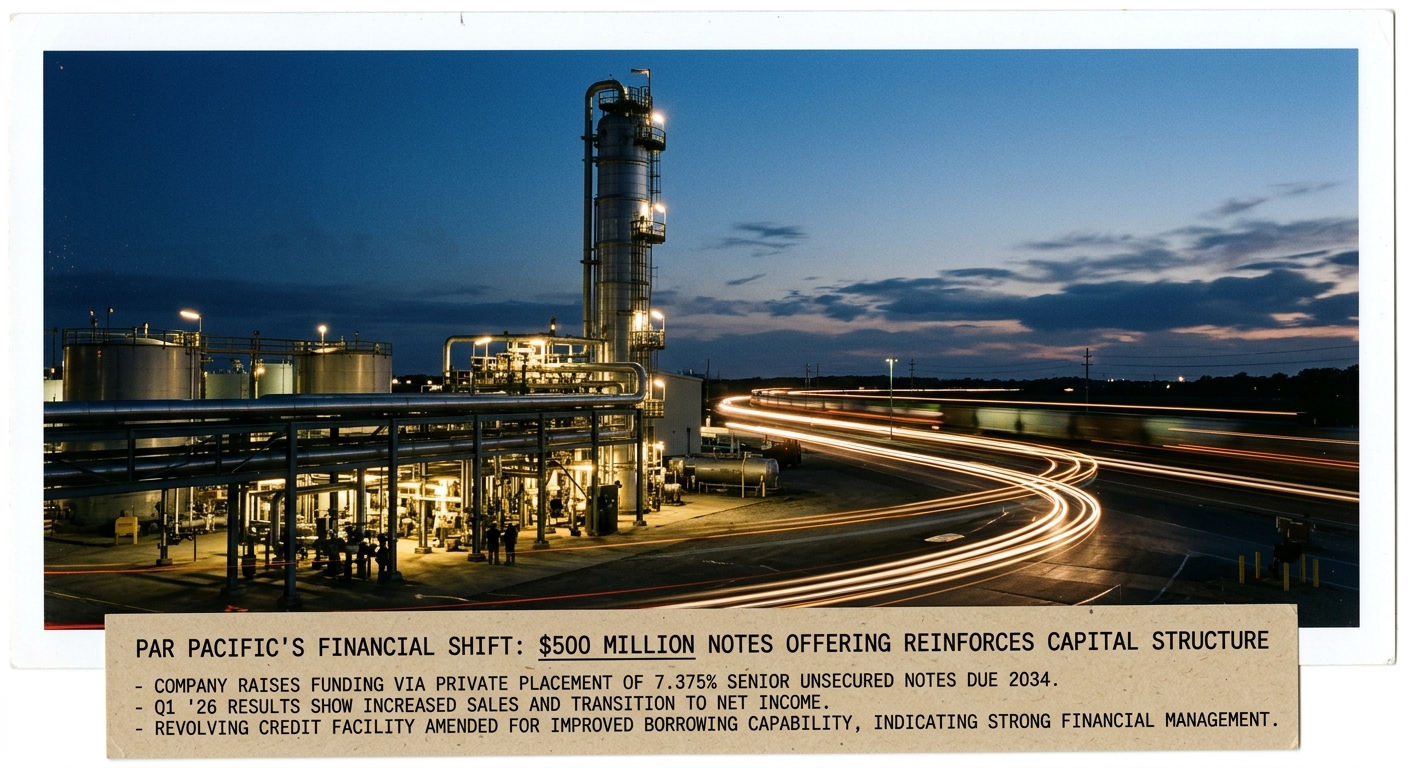
Par Pacific Strengthens Capital Structure with $500 Million Notes Offering and Improved Financial Performance
Par Pacific Holdings, Inc. has recently strengthened its capital structure by completing a $500 million private placement of 7.375% senior unsecured notes, which are set to mature on June 1, 2034. Thi…
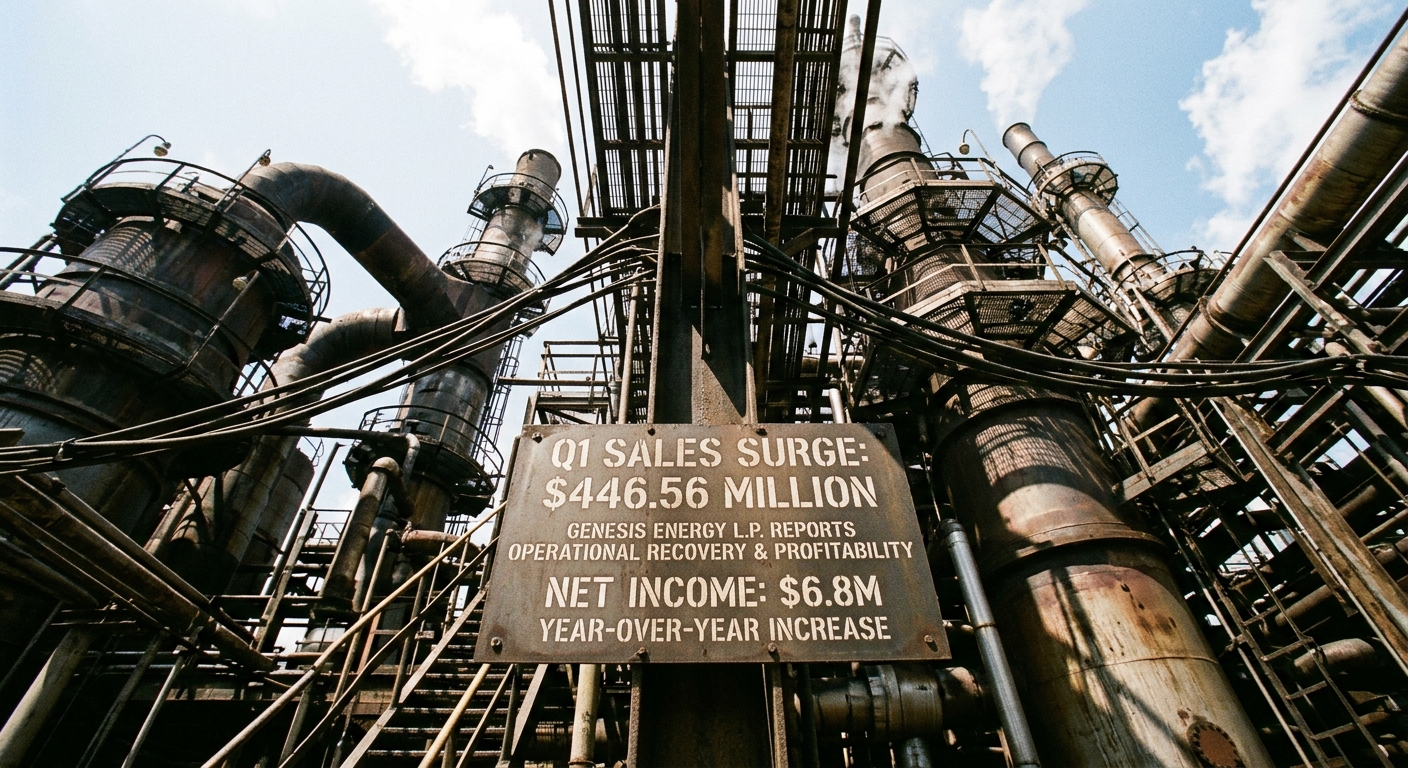
Genesis Energy L.P. Reports Q1 Profitability Surge with $446.56 Million in Sales
Genesis Energy L.P. (Ticker: UNDEFINED) announces its first-quarter financial results, signaling a resurgence in profitability and operational performance. The company reports total sales of $446.56 m…

Nordic American Tankers Finalizes New Leasing Contracts to Strengthen Cash Position and Dividends.
Nordic American Tankers (Ticker: NAT) has recently marked a significant milestone by finalizing multiple new vessel leasing contracts in a favorable tanker market. This strategic move is aimed at rein…