
Microsoft's Partnership with Stellantis Fuels AI Innovation in Automotive Sector
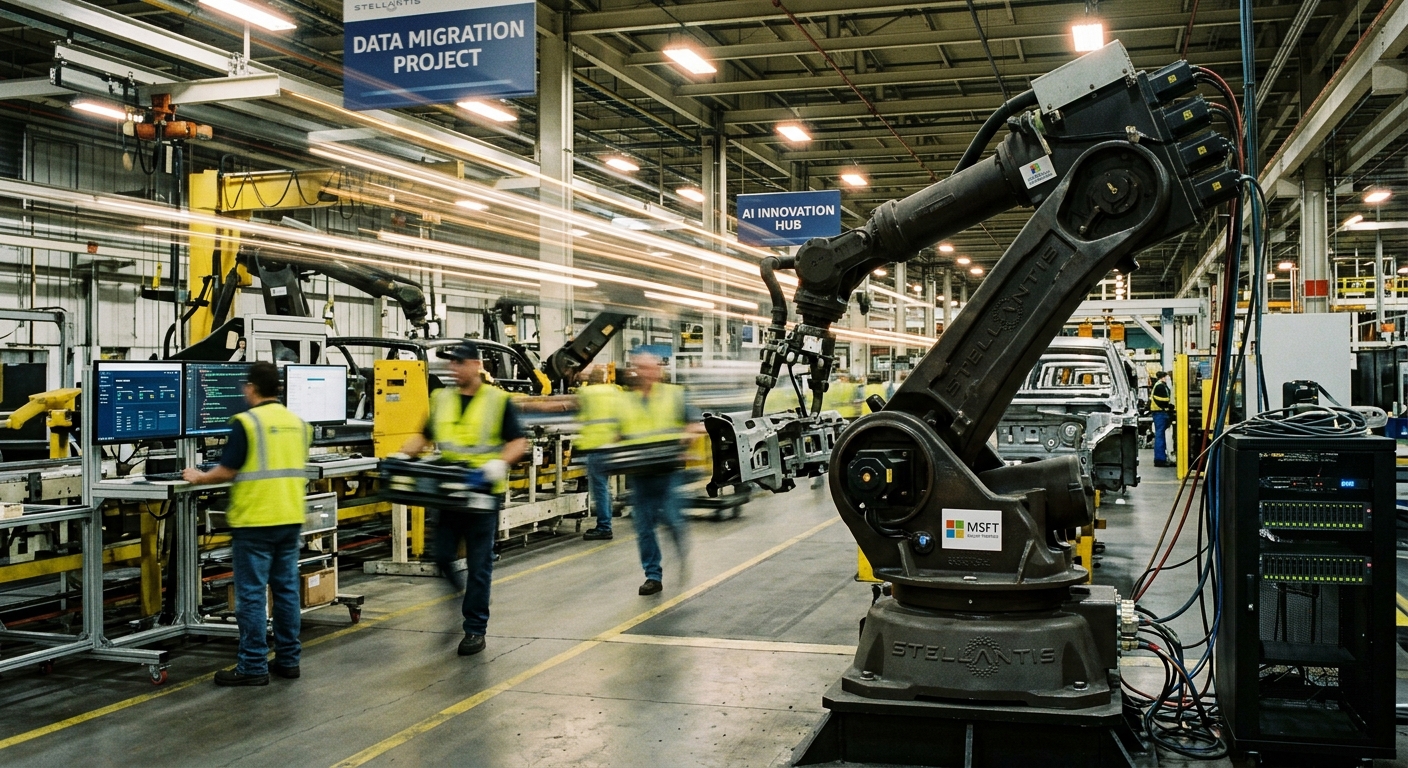
- Microsoft partners with Stellantis to leverage AI and cloud technology for over 100 automotive innovation projects.
- Stellantis will migrate critical systems to Microsoft Azure, enhancing operational agility with cloud infrastructure.
- Microsoft expands its AI capabilities with significant investments, including a powerful AI data center in Wisconsin.
Microsoft's strategic partnership with Stellantis marks a significant drive towards innovation in the automotive sector, with both companies aiming to leverage artificial intelligence (AI) and cloud technology effectively. This collaboration, set to unfold over five years, is centered on the development of over 100 AI projects that will touch upon various facets of Stellantis operations, including vehicle design and manufacturing. Key to this agreement is the integration of Microsoft’s Azure cloud services and Copilot, which are expected to enhance Stellantis' IT frameworks, streamline product development, and bolster cybersecurity measures across its global operations.
As part of this ambitious plan, Stellantis will migrate critical systems to Microsoft Azure, which provides a robust foundation for cloud infrastructure essential for modern automotive operations. The migration strategy underscores Stellantis' commitment to not only embrace cutting-edge technology but also reshape its operational landscape to be more agile and data-driven. This expected transformation coincides with a growing trend in the automotive industry, where leading companies are pivoting towards digital solutions to enhance production efficiency and customer engagement. By harnessing AI, Stellantis aims to improve features such as energy-efficient driving recommendations and predictive maintenance solutions.
This partnership is poised to slightly alter the competitive dynamics of the automotive market, positioning Microsoft as a formidable player not just in the tech industry but also within the automotive sector. Microsoft's extensive experience in artificial intelligence and cloud services naturally aligns with Stellantis' goals for innovation, ultimately signaling a move towards smarter, more connected vehicles. As both companies embark on this joint venture, they not only aim to elevate their operational capabilities but also respond to the fast-evolving demands of consumers seeking enhanced digital experiences in their vehicles.
In addition to the Stellantis partnership, Microsoft's aggressive investments into building a substantial AI and cloud infrastructure are crucial for its future growth. Recently, the company launched what it describes as the world's most powerful AI data center in Wisconsin, emphasizing its substantial commitment to expanding its AI capabilities. The growth in data centers is largely driven by the anticipated rise in global electricity demand and the push for more robust digital solutions across various sectors.
Microsoft continues to establish itself as a leader in integrating AI within multiple industries, ensuring its resources are optimized for both current and future operational challenges. This focus on advanced technology positions Microsoft favorably as it navigates competitive landscapes while also facilitating innovations that reshape industry standards.