
Middle East Conflict Disrupts Oil Supply Chains, Impacting Exxon Mobil’s Operational Strategies
- Exxon Mobil faces increased risks to oil supply chains due to the Iran blockade of the Strait of Hormuz.
- The geopolitical tensions are pushing U.S. crude prices near $100 per barrel, affecting Exxon Mobil's operations.
- Exxon Mobil must navigate complex geopolitical implications and pricing pressures amidst ongoing conflict and instability in the region.
Evolving Dynamics in Global Oil Supply Amid Middle East Conflict
The intensifying conflict in the Middle East, particularly Iran's blockade of the Strait of Hormuz, poses significant risks to global oil supply chains, drawing attention from major energy corporations like Exxon Mobil. This critical waterway, which previously facilitated the transit of over 100 oil tankers daily, now sees a drastic reduction in activity, with only 21 tankers navigating the strait since hostilities began. The accumulation of vessels idling outside Hormuz reflects heightened tensions as shipping strategies adapt to the volatile environment shaped by Iranian maneuvers. Maritime analysts warn of the acute risks present, especially highlighted by recent incidents involving damage to vessels and attacks on energy infrastructure, leading to further uncertainty in oil markets.
With the escalating geopolitical tensions significantly influencing oil prices, U.S. crude values reach nearly $100 per barrel amid concerns about supply disruptions. For a company like Exxon Mobil, which relies heavily on stable access to oil supplies from key regions, the ongoing crisis reinforces the urgency of ongoing negotiations that Iran conducts with select global partners, particularly China. Chinese-linked vessels have gained informal access to transit the blockade, showcasing Beijing's strategic maneuvering in the wake of regional instability. This situation prompts Exxon Mobil and other oil enterprises to reassess their operational strategies and risk management frameworks in an increasingly unpredictable marketplace.
As international attention focuses on the disruptions caused by the Iran conflict, Exxon Mobil stands at a crossroads, compelled to navigate a complex landscape of geopolitical implications and pricing pressures. The broader energy market's health hinges on sustained negotiations and conflict resolution efforts, which are essential for restoring stability. Given the current circumstances, the capabilities of multinational oil companies will be tested as they balance short-term operational challenges against long-term strategic investments in the face of mounting operational risks associated with regional geopolitical conflicts.
In related developments, the Biden administration collaborates with oil industry leaders to address surging fuel prices spurred by the Iran war. Discussions led by Vice President JD Vance and Energy Secretary Chris Wright focus on solutions to manage the spike in diesel and gasoline prices, which have risen sharply following military escalations. Illustrating a multipronged approach to energy management, the U.S. government plans to release significant reserves from the Strategic Petroleum Reserve to stabilize prices and ensure energy supply continuity.
Furthermore, hedge funds are grappling with severe market adjustments due to the crisis, experiencing substantial drawdowns as investors recalibrate their positions amid rising oil costs and erratic financial landscapes. Market participants are increasingly wary of the heightened risk factors in play as they await potential shifts in monetary policy responses tied to the ongoing volatility in energy prices.
Related Cashu News

Kimbell Royalty Partners LP Acquires $147 Million in Oil and Gas Interests from Mesa Royalties
Kimbell Royalty Partners LP (Ticker: UNDEFINED) announces a major acquisition that significantly enhances its position in the oil and gas mineral and royalty sector. The deal, valued at approximately…
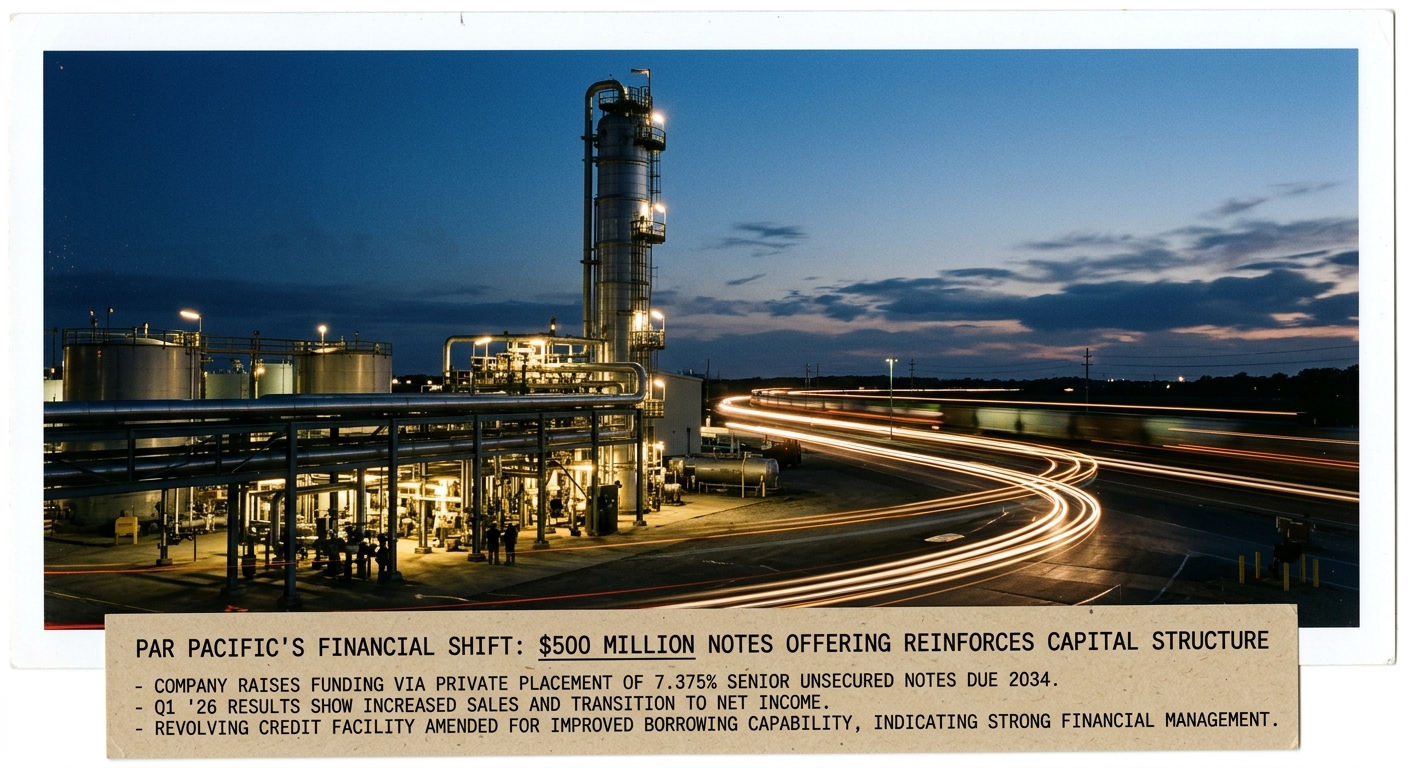
Par Pacific Strengthens Capital Structure with $500 Million Notes Offering and Improved Financial Performance
Par Pacific Holdings, Inc. has recently strengthened its capital structure by completing a $500 million private placement of 7.375% senior unsecured notes, which are set to mature on June 1, 2034. Thi…
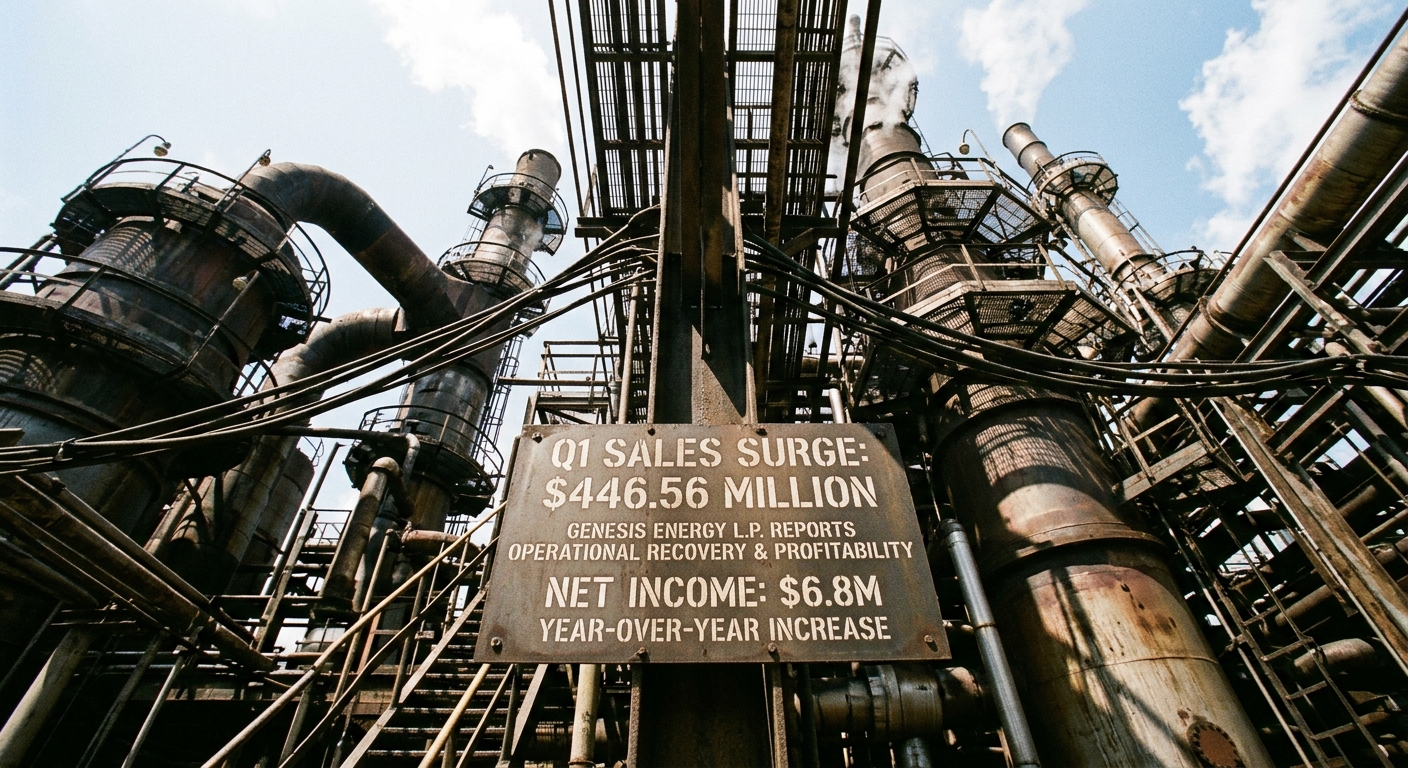
Genesis Energy L.P. Reports Q1 Profitability Surge with $446.56 Million in Sales
Genesis Energy L.P. (Ticker: UNDEFINED) announces its first-quarter financial results, signaling a resurgence in profitability and operational performance. The company reports total sales of $446.56 m…
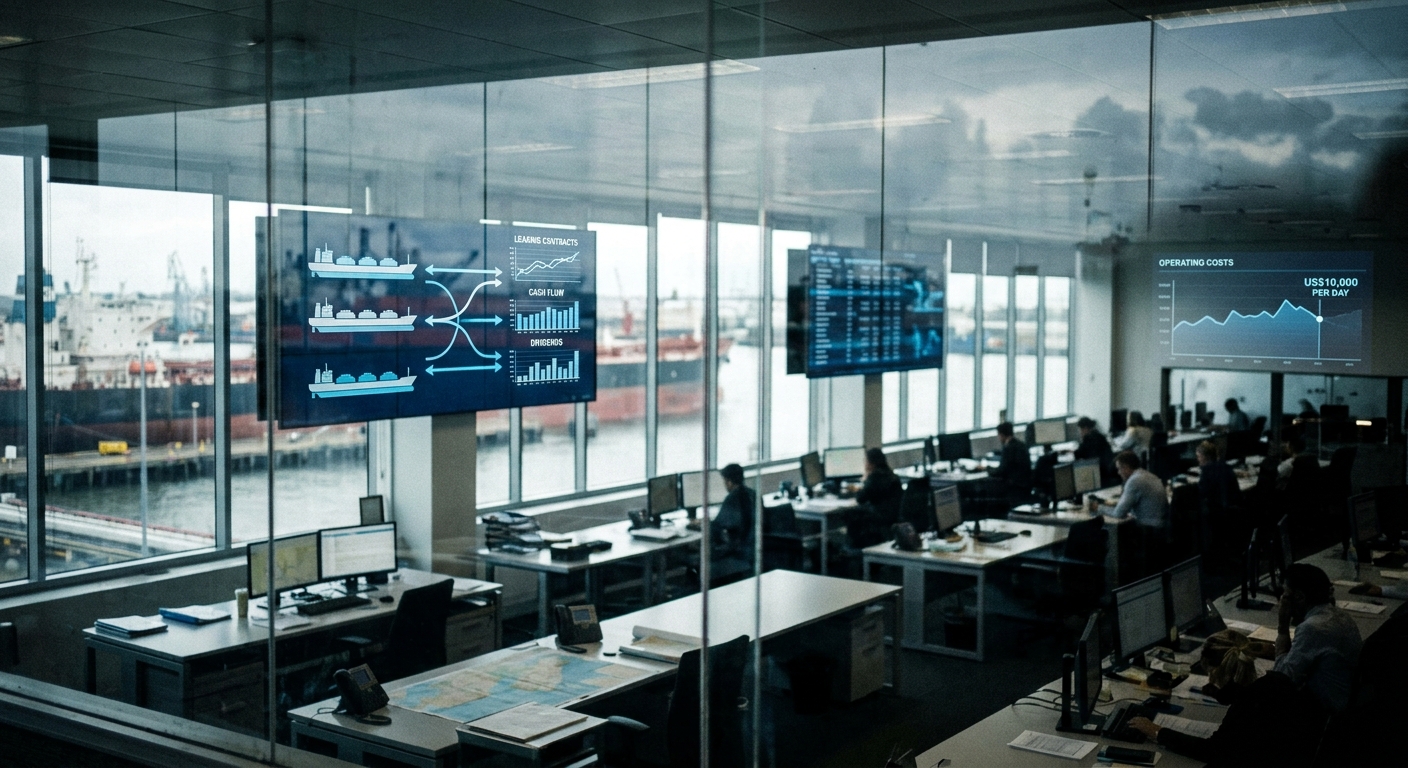
Nordic American Tankers Finalizes New Leasing Contracts to Strengthen Cash Position and Dividends.
Nordic American Tankers (Ticker: NAT) has recently marked a significant milestone by finalizing multiple new vessel leasing contracts in a favorable tanker market. This strategic move is aimed at rein…