
Middle East Tensions Drive Surge in Global Energy Prices and Market Instability
- Chevron's operations are impacted by rising oil prices and potential LNG supply disruptions due to escalating Middle East tensions.
- The geopolitical instability raises concerns for corporate strategies and long-term investments in the energy sector, including Chevron.
- Chevron, along with other energy companies, faces pressure from economic ramifications and performance challenges amid the ongoing conflict.
### Escalating Tensions in the Middle East Impacting Global Energy Markets
In a volatile geopolitical landscape, tensions between Iran, Israel, and the United States significantly affect global energy markets. Following an Israeli strike on Iran's South Pars gas field, the world's largest natural gas reserve shared with Qatar, retaliatory missile attacks from Iran target Qatar's critical LNG export facilities, including the Ras Laffan Industrial City. This escalation prompts U.S. President Donald Trump to issue stern warnings about severe consequences if Iranian aggression towards Qatar's energy assets continues. The unfolding conflict highlights the vulnerability of energy supply chains and raises the stakes for international diplomacy, as leaders around the globe contemplate military involvement and economic ramifications.
As missile strikes against key energy infrastructure unfold, global energy prices surge, reflecting the market's immediate response to geopolitical instability. U.S. natural gas prices rise by 1.5%, while Brent crude reaches levels above $119 per barrel, the highest in recent months. Analysts express concern about the potential retraction of global LNG supply, particularly after reports that Qatar may lose up to 17% of its LNG export capacity due to ongoing military actions. President Trump's comments urging Israel to halt attacks reveal the delicate balance of power and the need for restraint as the situation develops. Diplomatic discussions emerge, with French President Emmanuel Macron stressing the imperative of protecting civilian energy infrastructure during a recent meeting with international leaders.
Amid these disruptions, the U.S. government considers troop deployment to the Middle East, reflecting a significant preparedness for broader military engagement should the situation worsen. This mere consideration of military options underscores the gravity of the situation and the interconnectedness of regional security and global energy stability. The combined dynamics of rising oil prices, potential supply chain disruptions, and military tensions serve as crucial indicators not only for Chevron’s operations but also for the broader energy sector. The consequences of these events can ripple through various markets, affecting corporate strategies and long-term investments in energy infrastructure.
In tandem with military concerns, European markets prepare for a downturn as economic ramifications of the conflict become evident. Central banks are poised to maintain steady interest rates while assessing the implications of escalating energy prices on inflation and growth. The situation places additional pressure on corporate performance across industries, particularly for companies like Chevron that play a vital role in the energy supply chain.
As geopolitical tensions continue to escalate, international leaders emphasize the urgent need for diplomatic solutions to prevent further deterioration of the situation. The inability to stabilize energy exports amidst military conflict reinforces the fragility of global supply chains and the vital importance of collaboration among leading nations.
Related Cashu News

Kimbell Royalty Partners LP Acquires $147 Million in Oil and Gas Interests from Mesa Royalties
Kimbell Royalty Partners LP (Ticker: UNDEFINED) announces a major acquisition that significantly enhances its position in the oil and gas mineral and royalty sector. The deal, valued at approximately…
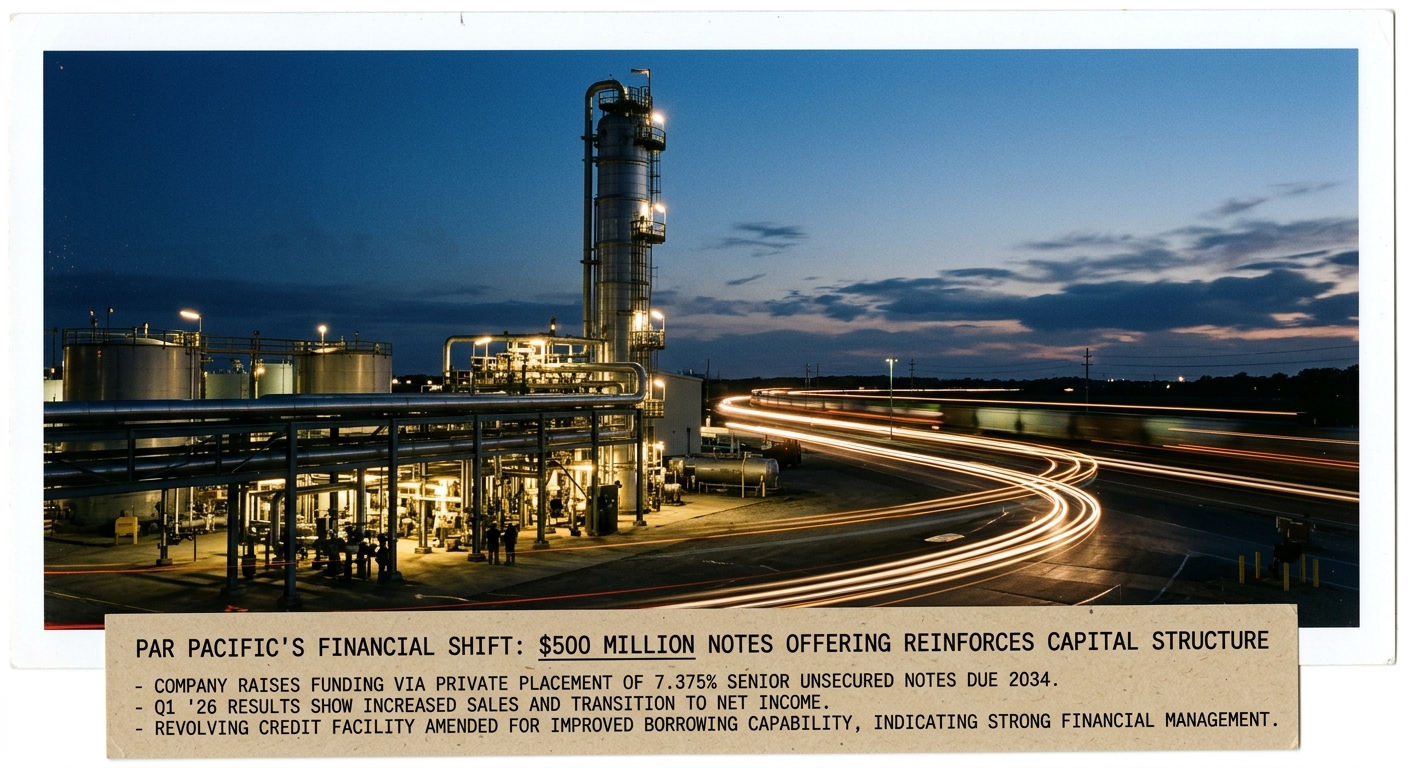
Par Pacific Strengthens Capital Structure with $500 Million Notes Offering and Improved Financial Performance
Par Pacific Holdings, Inc. has recently strengthened its capital structure by completing a $500 million private placement of 7.375% senior unsecured notes, which are set to mature on June 1, 2034. Thi…
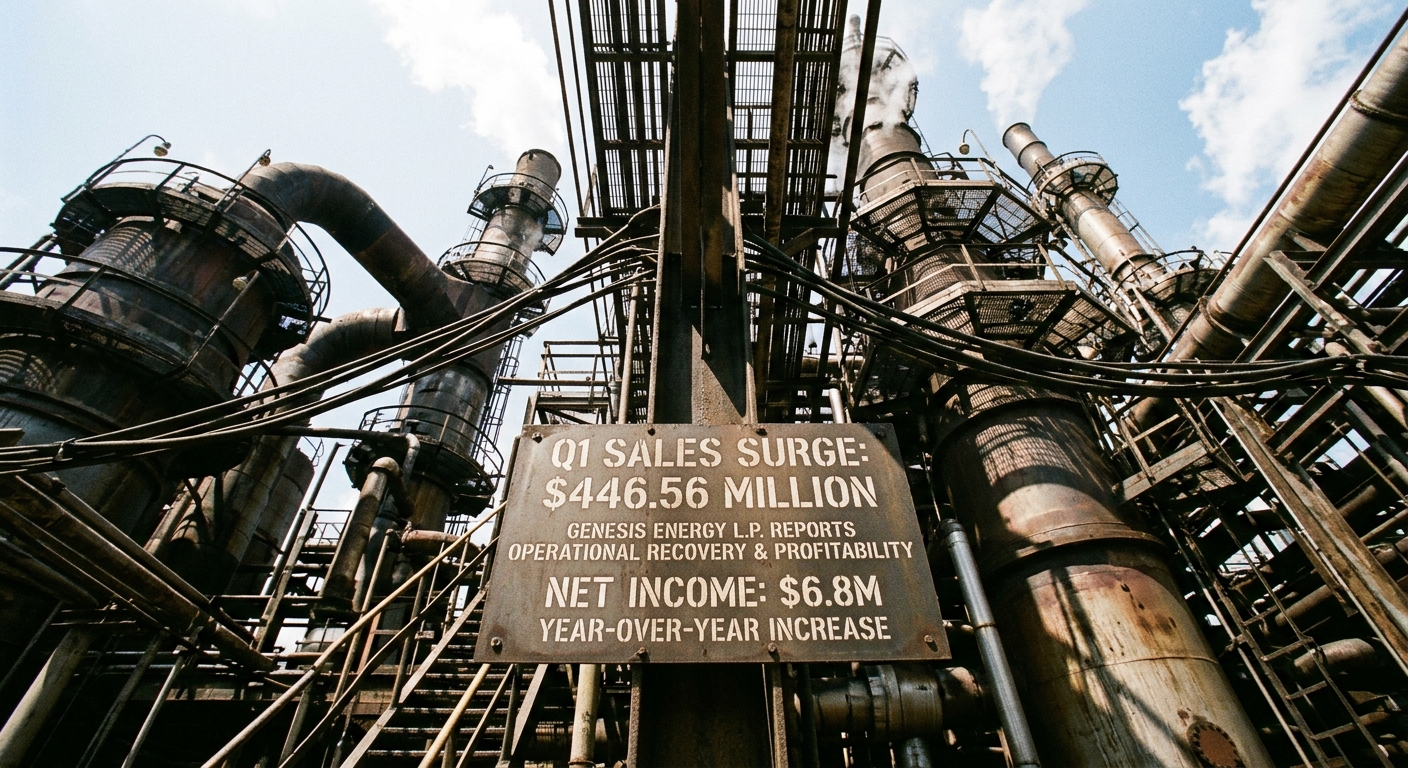
Genesis Energy L.P. Reports Q1 Profitability Surge with $446.56 Million in Sales
Genesis Energy L.P. (Ticker: UNDEFINED) announces its first-quarter financial results, signaling a resurgence in profitability and operational performance. The company reports total sales of $446.56 m…

Nordic American Tankers Finalizes New Leasing Contracts to Strengthen Cash Position and Dividends.
Nordic American Tankers (Ticker: NAT) has recently marked a significant milestone by finalizing multiple new vessel leasing contracts in a favorable tanker market. This strategic move is aimed at rein…