
Middle East Tensions Impact Uranium Industry and Energy Market Stability
- The U.S.-Iran conflict impacts the uranium sector, necessitating vigilance in assessing energy policies and regulations.
- Iran's closure of the Strait of Hormuz increases concerns for uranium supply chains and international nuclear agreements.
- Uranium Energy must adapt strategies to navigate geopolitical risks, emphasizing the need for robust risk management in fluctuating markets.
### Middle East Geopolitics: Implications for the Uranium Industry
The ongoing U.S.-Iran conflict reshapes security dynamics in the Middle East, with profound implications for industries reliant on stable geopolitical conditions, such as the uranium sector. The assassination of Iran's Supreme Leader, Ali Khamenei, has precipitated a shift in the region from traditional military confrontation to a strategy characterized by economic and geographic horizontal escalation. As the dynamics evolve, Uranium Energy and similar companies must be vigilant, assessing how such geopolitical tensions impact global energy policies and regulations, particularly amidst a backdrop of fluctuating demand for nuclear energy.
Iran's recent actions, including the strategic closure of the Strait of Hormuz, underscore the rising stakes in energy supply and geopolitics in the region. The strait, a critical passageway for oil and gas exports, sees increased tension as the U.S. attempts to counter Iranian maritime capabilities. For uranium stakeholders, these developments raise significant concerns regarding the future of international agreements that govern nuclear proliferation and energy trade. The uranium market cannot remain insulated from the broader economic ramifications of these military conflicts, particularly as global supply chains may become disrupted, impacting the cost and availability of uranium.
As Iran appears to reinforce its regime stability with figures like Mojtaba Khamenei, who is likely to continue existing policies, Uranium Energy must remain adaptable. A long-term perspective on the complexities of international diplomacy is essential for planning future projects and partnerships. History has shown that leadership changes seldom result in immediate resolution of tensions, often leading to prolonged instability. Therefore, companies in the uranium sector should incorporate careful scenario analyses into their strategic frameworks to navigate the volatile landscape of geopolitical risks.
In the broader context, investors and policymakers alike must weigh the implications of military conflicts on energy markets. As both U.S. and Iranian policies evolve, the potential for economic warfare raises critical questions about compliance, regulation, and market stability. There is a pressing need for a coherent strategy that balances the demands of energy security with national interests, which may affect stakeholder confidence across various sectors.
Furthermore, the uncertainty surrounding commercial insurance availability for shipping through volatile regions like the Strait of Hormuz poses additional challenges for companies involved in uranium supply chains. As tensions flare, operators must not only navigate changing regulations but also consider how military actions influence the global perception of security in nuclear energy investments. With the stakes as high as they are, ensuring a robust risk management strategy becomes instrumental in maintaining competitive advantage in the uranium market amid turbulent geopolitical conditions.
Related Cashu News

Kimbell Royalty Partners LP Acquires $147 Million in Oil and Gas Interests from Mesa Royalties
Kimbell Royalty Partners LP (Ticker: UNDEFINED) announces a major acquisition that significantly enhances its position in the oil and gas mineral and royalty sector. The deal, valued at approximately…
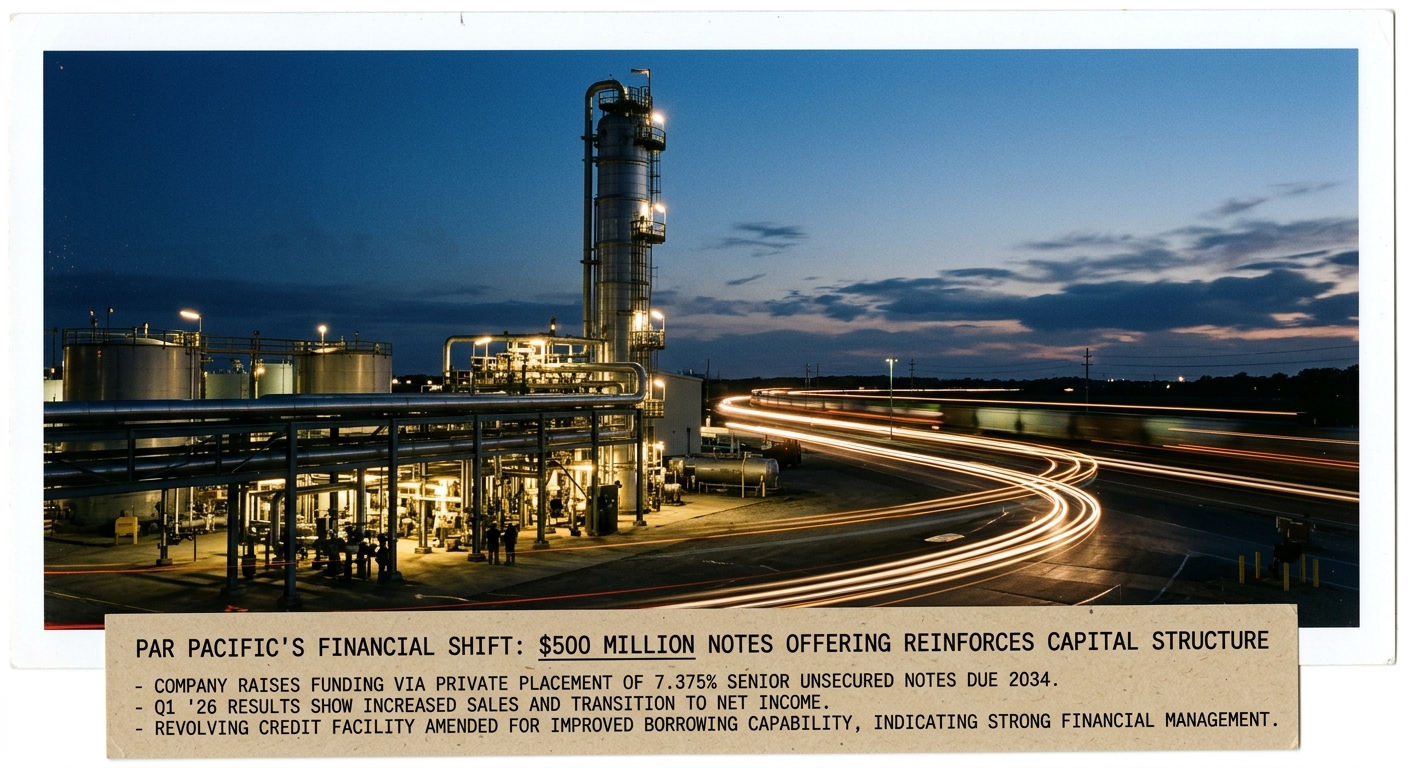
Par Pacific Strengthens Capital Structure with $500 Million Notes Offering and Improved Financial Performance
Par Pacific Holdings, Inc. has recently strengthened its capital structure by completing a $500 million private placement of 7.375% senior unsecured notes, which are set to mature on June 1, 2034. Thi…
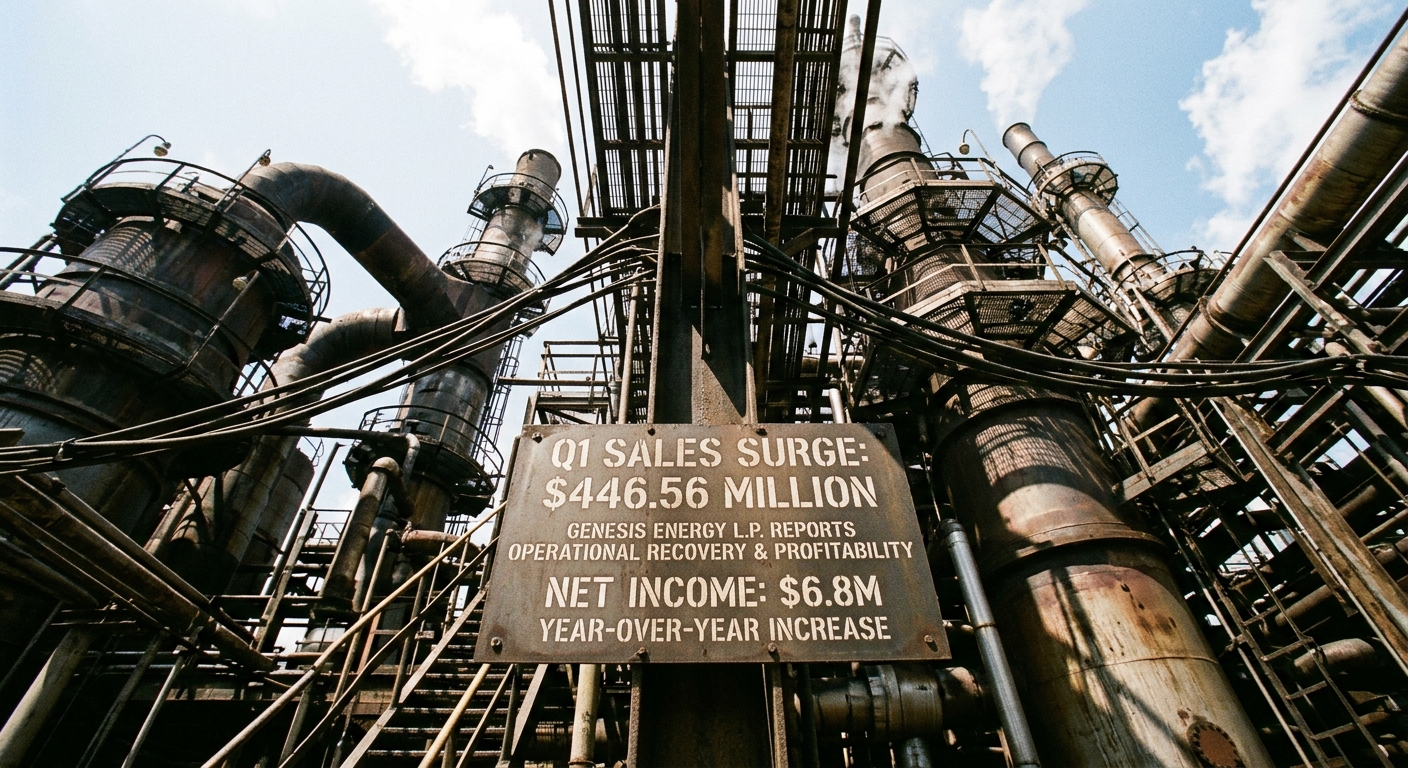
Genesis Energy L.P. Reports Q1 Profitability Surge with $446.56 Million in Sales
Genesis Energy L.P. (Ticker: UNDEFINED) announces its first-quarter financial results, signaling a resurgence in profitability and operational performance. The company reports total sales of $446.56 m…

Nordic American Tankers Finalizes New Leasing Contracts to Strengthen Cash Position and Dividends.
Nordic American Tankers (Ticker: NAT) has recently marked a significant milestone by finalizing multiple new vessel leasing contracts in a favorable tanker market. This strategic move is aimed at rein…