
Middle East Unrest Fuels Oil Prices: Consequences for Marathon Petroleum and Consumers
- Geopolitical tensions have driven oil prices to a 52-week high, affecting Marathon Petroleum's operations and strategies.
- Rising crude oil prices are linked to increased gasoline costs, impacting Marathon Petroleum's market performance and consumer behavior.
- Marathon Petroleum must navigate the volatility in oil markets due to ongoing geopolitical unrest to optimize operations.
Geopolitical Unrest in the Middle East Drives Oil Surge: Implications for Marathon Petroleum
In recent days, geopolitical tensions in the Middle East have significantly impacted oil prices, skyrocketing them to levels not seen in over a year. Brent crude has reached a 52-week high of $79.40, while U.S. West Texas Intermediate prices surged past $73.10. This volatility follows military actions taken by the U.S. and Israel against Iranian and Hezbollah targets, prompting President Donald Trump to term this military response an "overwhelming offensive." The conflict escalates fears regarding the stability of oil supplies, particularly as Iran is the fourth-largest producer within the OPEC framework and poses a risk to critical maritime routes such as the Strait of Hormuz, through which approximately 20% of the world’s oil is transported. Industry analysts warn that if these tensions lead to compromised shipping lanes, crude oil prices could potentially escalate to $100 per barrel.
Analysts like Amrita Sen from Energy Aspects emphasize the criticality of maintaining open and secure transit through the Strait of Hormuz, which is essential for 13-15 million barrels of oil per day. Despite assurances regarding the military capacity of the U.S. and Israel to deter full disruptions by Iran, there are still significant risks from sporadic attacks on maritime vessels. Such instability has led to a cautious approach by shipping companies navigating the region, as past incidents of tanker strikes have induced trepidation in oil transportation operations. Even as viable alternatives exist, such as rerouting through the UAE or Oman, the reliance on safe passage through the Strait remains predominant, and any further attacks could exacerbate already precarious supply conditions.
The ongoing military actions and the potential for continued escalations serve as a reminder of the interconnectedness of energy prices with geopolitical stability. As tensions escalate, domestic issues in the U.S. related to gasoline pricing are also likely to emerge. Recent reports indicate that the average price of unleaded gasoline has risen to $2.997 per gallon, a noticeable increase attributed directly to rising crude oil prices. Ken Medlock from Rice University's Baker Institute indicates that any sustained rise in crude oil prices has a direct correlation to gasoline costs—a $10 per barrel increase could translate into a 25-cent spike in gasoline prices. As the situation unfolds, consumers, particularly those in low- and middle-income brackets, may face increased financial pressures at the pump.
In addition to these immediate concerns, the broader economic implications cannot be overlooked. Rising oil prices are historically linked to inflationary pressures, with increased energy costs directly impacting consumer spending patterns. The backdrop of these developments is characterized by a complex interplay between military actions, market responses, and consumer behavior, all of which Marathon Petroleum and other industry players must navigate swiftly to optimize their operations in a volatile environment. The coming weeks will undoubtedly shed light on how these geopolitical tensions will continue to influence energy prices and market stability.
Related Cashu News

Kimbell Royalty Partners LP Acquires $147 Million in Oil and Gas Interests from Mesa Royalties
Kimbell Royalty Partners LP (Ticker: UNDEFINED) announces a major acquisition that significantly enhances its position in the oil and gas mineral and royalty sector. The deal, valued at approximately…
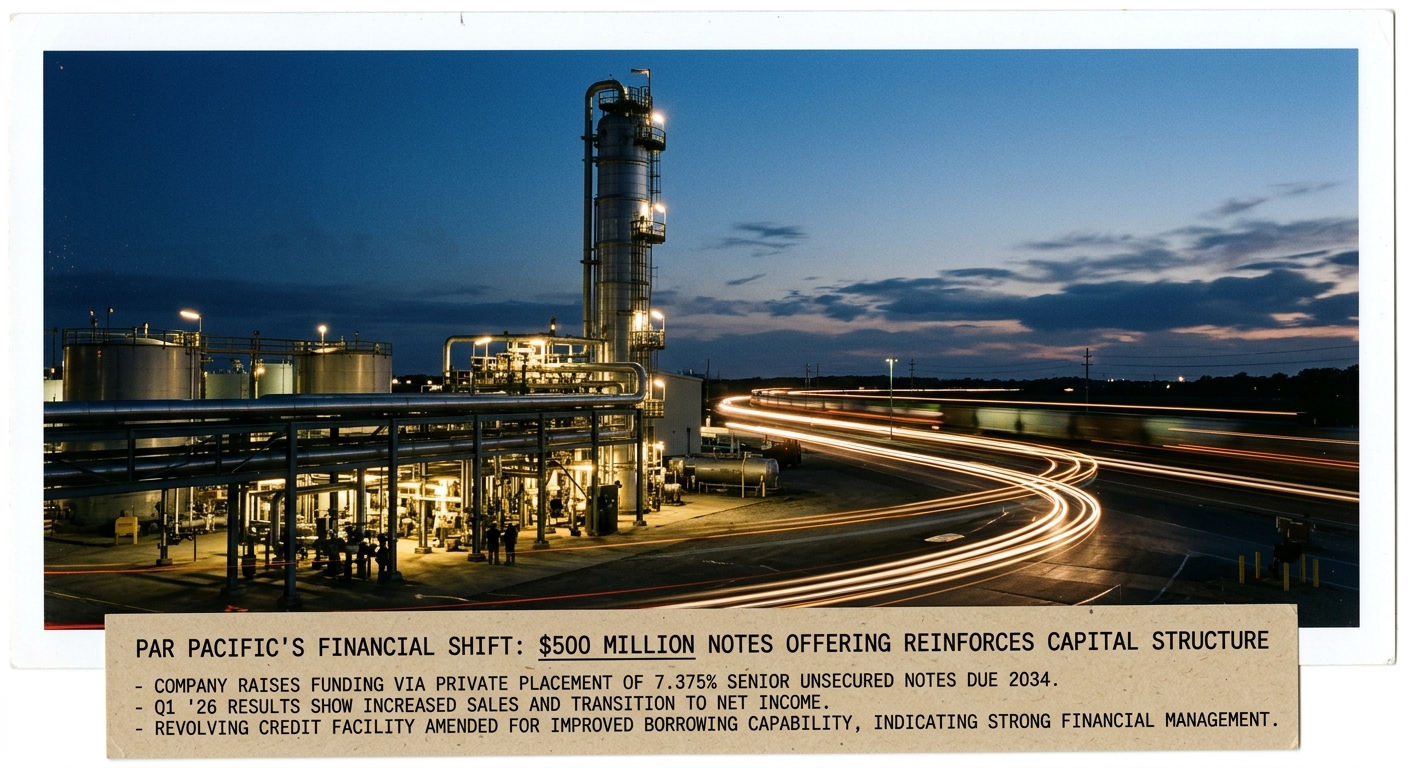
Par Pacific Strengthens Capital Structure with $500 Million Notes Offering and Improved Financial Performance
Par Pacific Holdings, Inc. has recently strengthened its capital structure by completing a $500 million private placement of 7.375% senior unsecured notes, which are set to mature on June 1, 2034. Thi…
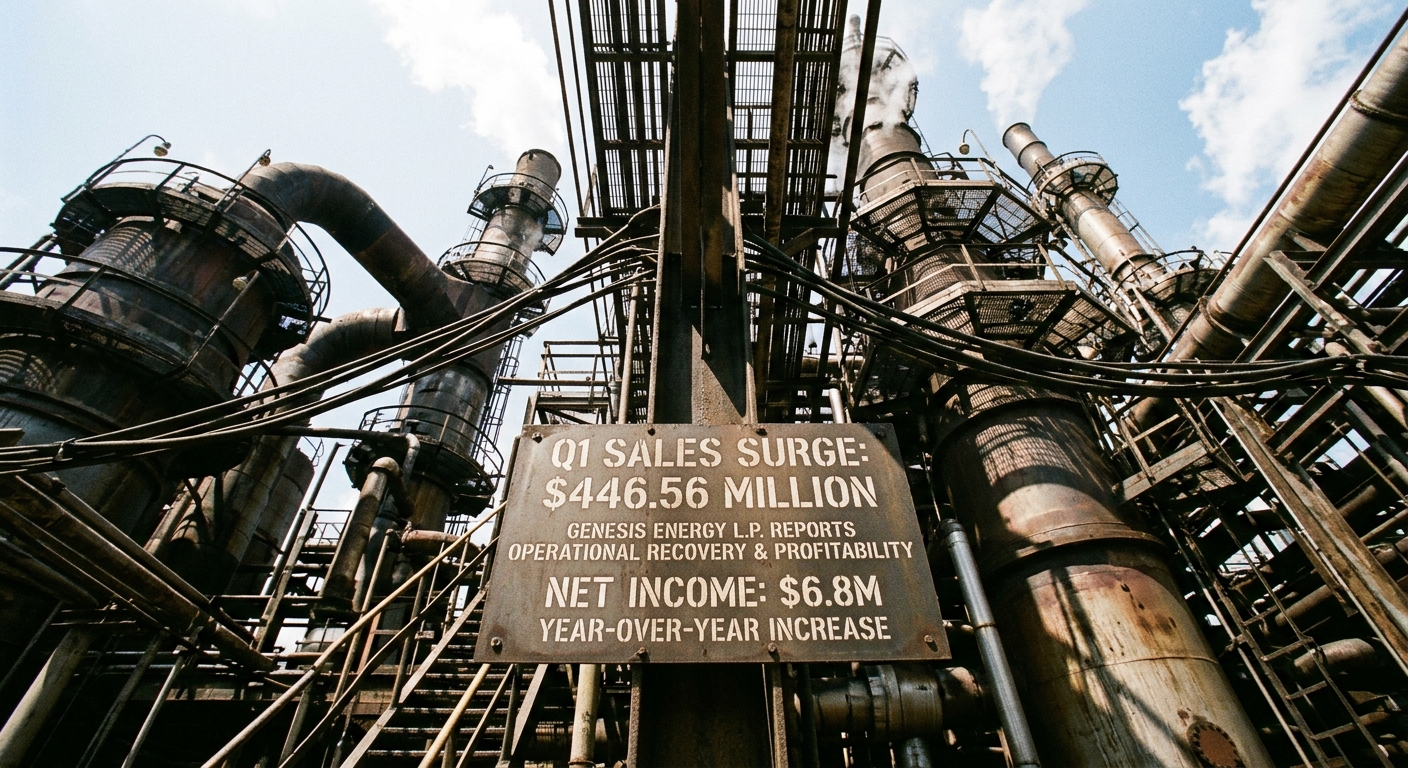
Genesis Energy L.P. Reports Q1 Profitability Surge with $446.56 Million in Sales
Genesis Energy L.P. (Ticker: UNDEFINED) announces its first-quarter financial results, signaling a resurgence in profitability and operational performance. The company reports total sales of $446.56 m…

Nordic American Tankers Finalizes New Leasing Contracts to Strengthen Cash Position and Dividends.
Nordic American Tankers (Ticker: NAT) has recently marked a significant milestone by finalizing multiple new vessel leasing contracts in a favorable tanker market. This strategic move is aimed at rein…