
Natera Enhances Panorama Test, Reducing No-Call Rate to 0.5% for Prenatal Screening

- Natera enhances the Panorama prenatal test with SNP-informed deep sequencing to improve fetal fraction sampling.
- The no-call rate for the Panorama test has been reduced to just 0.5%.
- Natera's advancements boost prenatal screening reliability, strengthening trust between parents and healthcare providers.
Natera (NTRA) recently announces crucial advancements in its Panorama non-invasive prenatal test, addressing significant challenges in fetal fraction sampling. The latest enhancement of the Panorama test utilizes SNP-informed deep sequencing, resulting in a dramatic reduction of the no-call rate to just 0.5%. This improvement ensures that even low fetal fraction samples, which have traditionally been difficult to analyze, yield reliable results. As the demand for effective prenatal screenings continues to rise, these advancements not only elevate the performance of the technology but also reinforce the trust between expectant parents and healthcare providers.
Strategic Expansion and Demand Response
In addition to the technological enhancements, Natera expands its headquarters in Austin, Texas, anticipating the establishment of the largest sequencing capacity globally. This expansion is a strategic response to the growing demand for prenatal testing services, demonstrating Natera's commitment to integrating clinically-validated technologies with significant infrastructure investments.
Strengthening Market Position
By scaling up operations and improving its testing capabilities, Natera positions itself as a leader in the prenatal testing market. These initiatives highlight the company’s proactive approach in meeting the increasing needs for accurate, reliable prenatal testing solutions, ultimately aiming to provide better screening processes for healthcare providers and expectant parents alike.
Related Cashu News

Immunic Names Erik Lundgren CEO Amid Significant Advances in MS Therapy Development
Immunic Inc. (Ticker: IMUX) has secured Erik Lundgren as its new Chief Executive Officer, effective May 22, 2026, marking a significant transition for the biotechnology company focused on innovative o…
Travere Therapeutics Secures Patent for FILSPARI, Strengthening IgA Nephropathy Treatment Efforts
Travere Therapeutics (Ticker: TVTX) has recently made headlines with a significant milestone for its drug FILSPARI, specifically developed for the treatment of IgA nephropathy. The U.S. Patent and Tra…
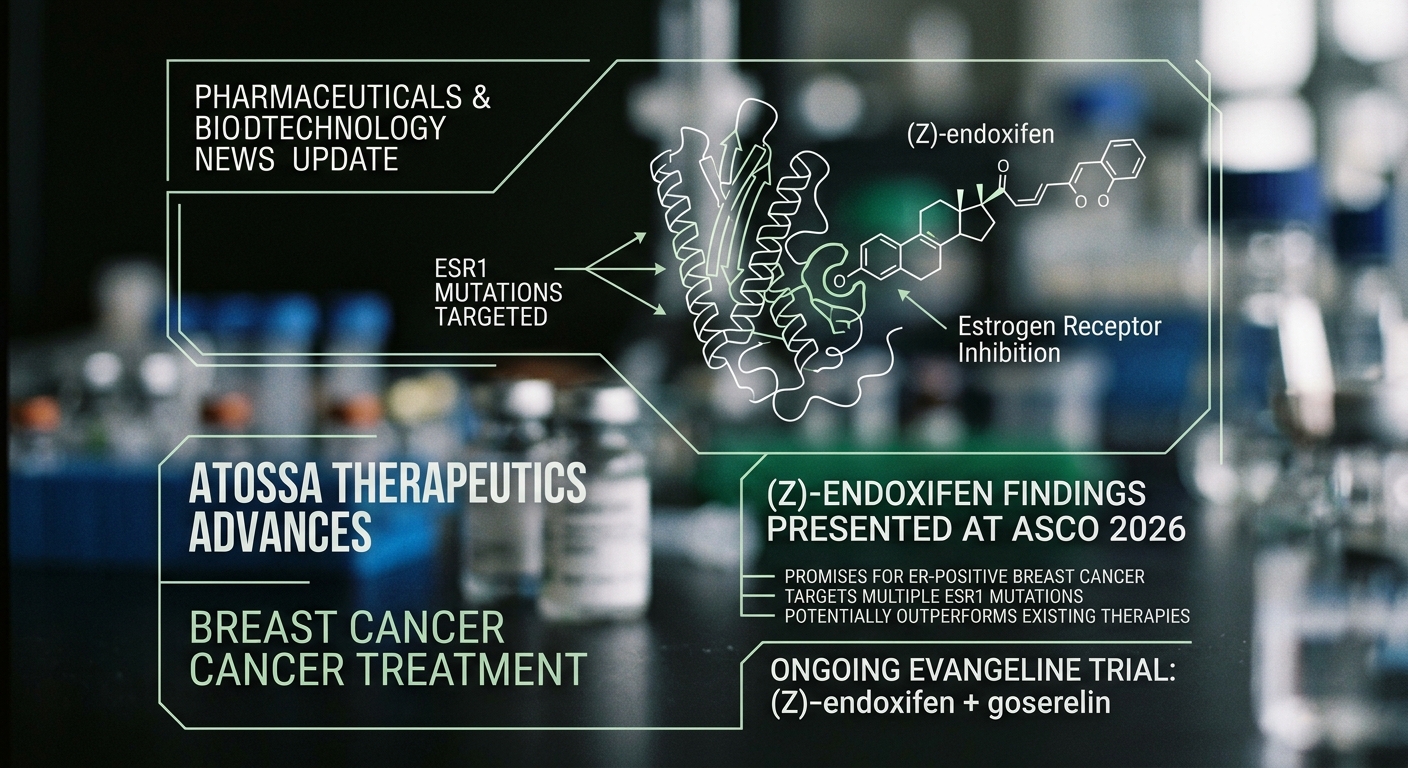
Atossa Therapeutics Advances Breast Cancer Treatment with Promising (Z)-endoxifen Findings at ASCO 2026
Atossa Therapeutics (Ticker: ATOS) announces significant advancements in breast cancer treatment with two abstracts accepted for presentation at the ASCO 2026 Annual Meeting. The focus is on the effic…

Soligenix Advances Thermostable Vaccine Development for Bundibugyo Virus Amid Ongoing Outbreak
Soligenix (Ticker: SNGX) is making significant strides in the development of a thermostable vaccine against the Bundibugyo virus, invaluable amidst the ongoing outbreak. Collaborating with Dr. Axel Le…