
Nike Faces Class-Action Lawsuit Over Pricing Practices Amid Tariff Disputes and Consumer Rights Concerns
- Nike faces a class-action lawsuit for allegedly raising prices to offset import tariff costs without adjusting after tariff repeal.
- The lawsuit could impact Nike's reputation and influence industry pricing strategies amid regulatory changes.
- Co-CEO John Donahoe's commitment to transparency is tested as the lawsuit unfolds, affecting consumer trust and brand loyalty.
Nike (Ticker: NKE) faces legal challenges related to its pricing practices amid tariff disputes, highlighting significant implications for consumer rights and corporate accountability. A proposed class-action lawsuit has emerged against the company in the United States, accusing Nike of raising prices on its footwear and apparel as a means to offset costs linked to import tariffs. The lawsuit contends that when these tariffs were overturned by a Supreme Court ruling, Nike did not adjust its prices downward or offer refunds to consumers, raising questions about the ethical and contractual obligations companies hold in such scenarios.
The core of the lawsuit revolves around allegations that Nike improperly transferred the financial burden of tariffs onto its customers. This may not only affect Nike's reputation but could also influence how other companies price their products in response to regulatory changes. By allowing for consumer recourse in instances of price adjustments due to government policies, the outcome of this case may set a precedent that impacts pricing strategies across the industry.
Co-CEO John Donahoe has emphasized Nike's commitment to transparency and fairness, which will be tested as the lawsuit unfolds. The legal proceedings serve as a stark reminder of the pressures companies face in navigating consumer expectations while managing costs introduced by governmental regulations. With ongoing discourse surrounding consumer rights and corporate practices, Nike's case could resonate beyond just the courts, shaping industry standards for ethical pricing in response to external economic conditions.
As the lawsuit progresses, it will be crucial for Nike to respond not only in legal terms but also in what this means for its consumer base who may be watching closely. Should the court side with the plaintiffs, the implications for Nike could lead to a reevaluation of pricing tactics that consider both compliance with regulations and the financial impact on consumers. Moreover, the public's response to these legal issues may further influence Nike's brand image and market strategy as it seeks to maintain loyalty in an increasingly competitive landscape.
Related Cashu News
Toll Brothers Names Seth J. Ring President Amid Housing Market Challenges
Toll Brothers, a prominent luxury homebuilder based in the United States, has announced a significant leadership change with the appointment of Seth J. Ring as the new President and Chief Operating Of…
KB Home Expands with New ENERGY STAR® Communities Focused on Efficiency and Personalization
KB Home (Ticker: UNDEFINED) has made significant strides in its commitment to sustainability by expanding its portfolio with several new ENERGY STAR®-designated communities across the United States. T…

Garmin Launches Forerunner 70 and 170 Smartwatches for Serious Runners
Garmin Ltd (Ticker: UNDEFINED) is expanding its product offerings with the launch of its latest smartwatches— the Forerunner 70 and Forerunner 170. Designed with running enthusiasts in mind, these dev…
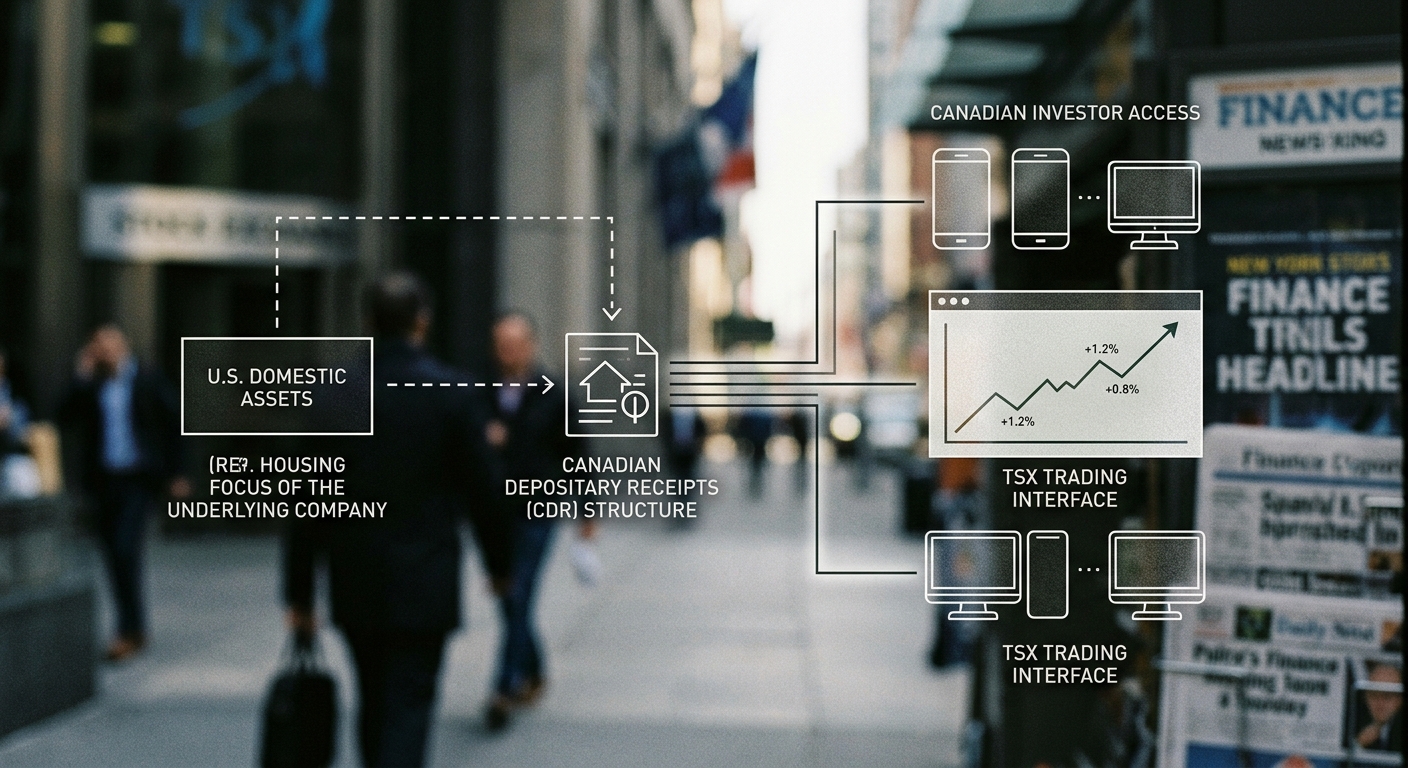
D.R. Horton Launches Canadian Depositary Receipts on TSX for Enhanced Investor Access
D.R. Horton (Ticker: UNDEFINED), a leading homebuilder in the United States, makes a significant expansion move by introducing Canadian Depositary Receipts (CDRs) on the Toronto Stock Exchange (TSX).…