
Nike Faces Supply Chain Challenges Amid Rising Fuel Prices and Economic Uncertainty
- Rising fuel prices pose supply chain challenges for Nike, affecting operational strategies and revenue from impacted regions.
- Nike may need to adjust pricing strategies to maintain appeal amid shifting consumer spending dynamics due to economic pressures.
- The company's robust inventory management helps buffer against short-term margin pressures and ensures consumer demand is met.
Navigating Supply Chain Challenges: Nike's Position Amid Rising Fuel Prices
Amid rising fuel prices spurred by the ongoing conflict in the Middle East, Nike faces supply chain challenges that could impact its operational strategies. Recent reports indicate that Brent crude futures have surged above $110 per barrel, driving diesel prices past $5 per gallon, the highest levels seen since 2022. The increase in fuel costs raises considerable concern for U.S. retailers, particularly for brands like Nike that have substantial revenue exposure to regions directly affected by these geopolitical tensions. Current estimates suggest that Nike's revenue is approximately 27% attributable to markets in Europe, the Middle East, and Africa, highlighting the company's vulnerability to fluctuations in fuel prices and operational costs.
As consumers adapt to economic changes, analysts at Deutsche Bank note that higher-income consumers are better positioned to mitigate the impact of rising fuel costs. This dynamic may force Nike to rethink its pricing strategies and marketing approaches to maintain appeal among its core demographic, which often includes affluent sports enthusiasts. With lower-income households tightening budgets, discount retailers are expected to suffer, while luxury brands like Nike may retain consumer loyalty. However, the question remains whether Nike can sustain its growth trajectory in an environment where consumer spending potentially declines due to economic pressures.
Moreover, as supply chains feel the strain from fluctuating fuel costs and raw material prices, Nike has seemingly established strategies to navigate these challenges. Reports state that many global brands, including Nike, maintain robust inventory levels. This preparedness helps the company buffer against short-term margin pressures, ensuring that it can continue to meet consumer demand even amid volatility in raw material supplies due to geopolitical disruptions. Nike's ability to manage inventory effectively may well be pivotal as it adapts to ongoing economic conditions shaped by the rising cost of fuel and related resources.
In a broader context, the current economic climate challenges emphasize a notable shift in consumer behavior as fuel prices rise. Retailers, particularly those focused on high-income demographics, may have a cushion against the immediate impacts of inflation, but the dynamics could shift unpredictably as the global situation evolves. For Nike, staying agile and responsive to these changes will be essential in navigating the storm of economic uncertainty and continuing to deliver value to its customers as the landscape shifts.
Related Cashu News
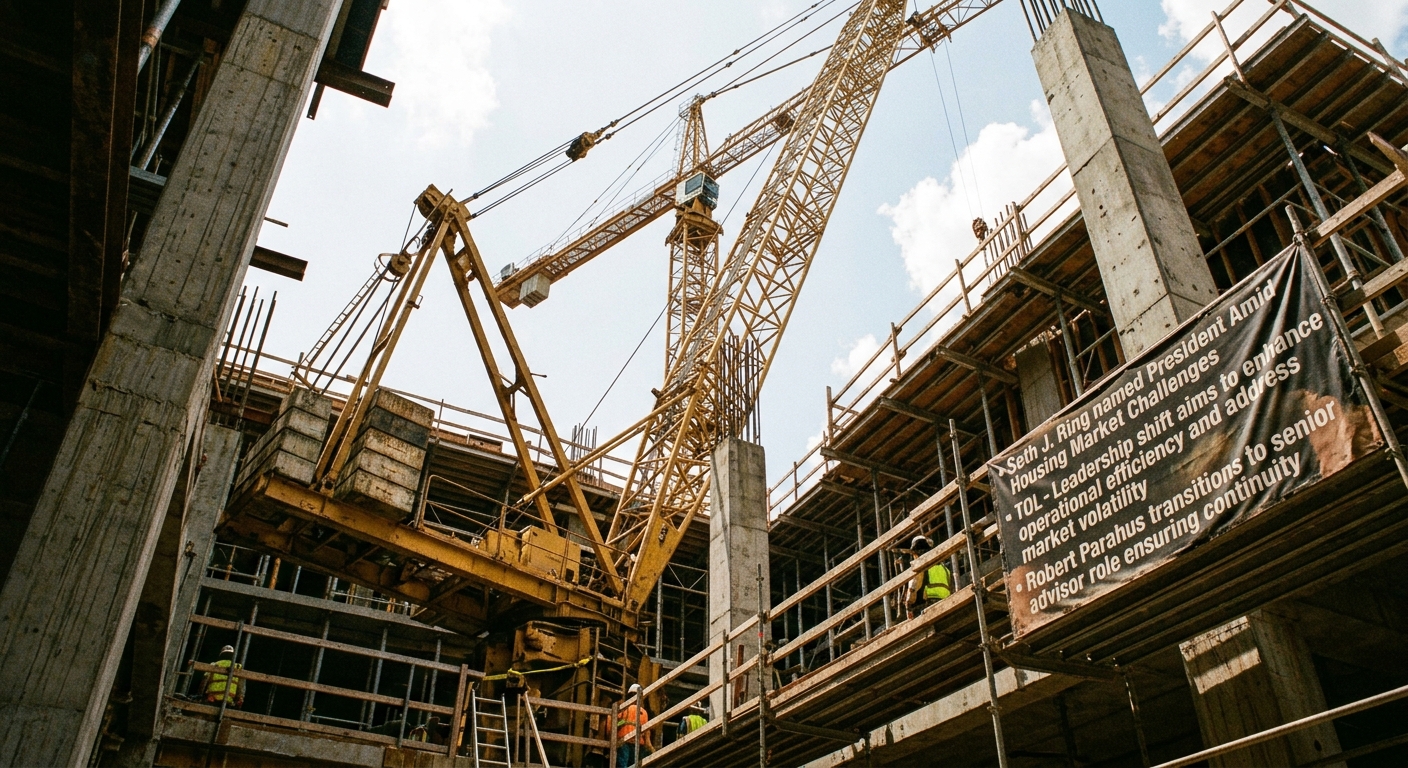
Toll Brothers Names Seth J. Ring President Amid Housing Market Challenges
Toll Brothers, a prominent luxury homebuilder based in the United States, has announced a significant leadership change with the appointment of Seth J. Ring as the new President and Chief Operating Of…
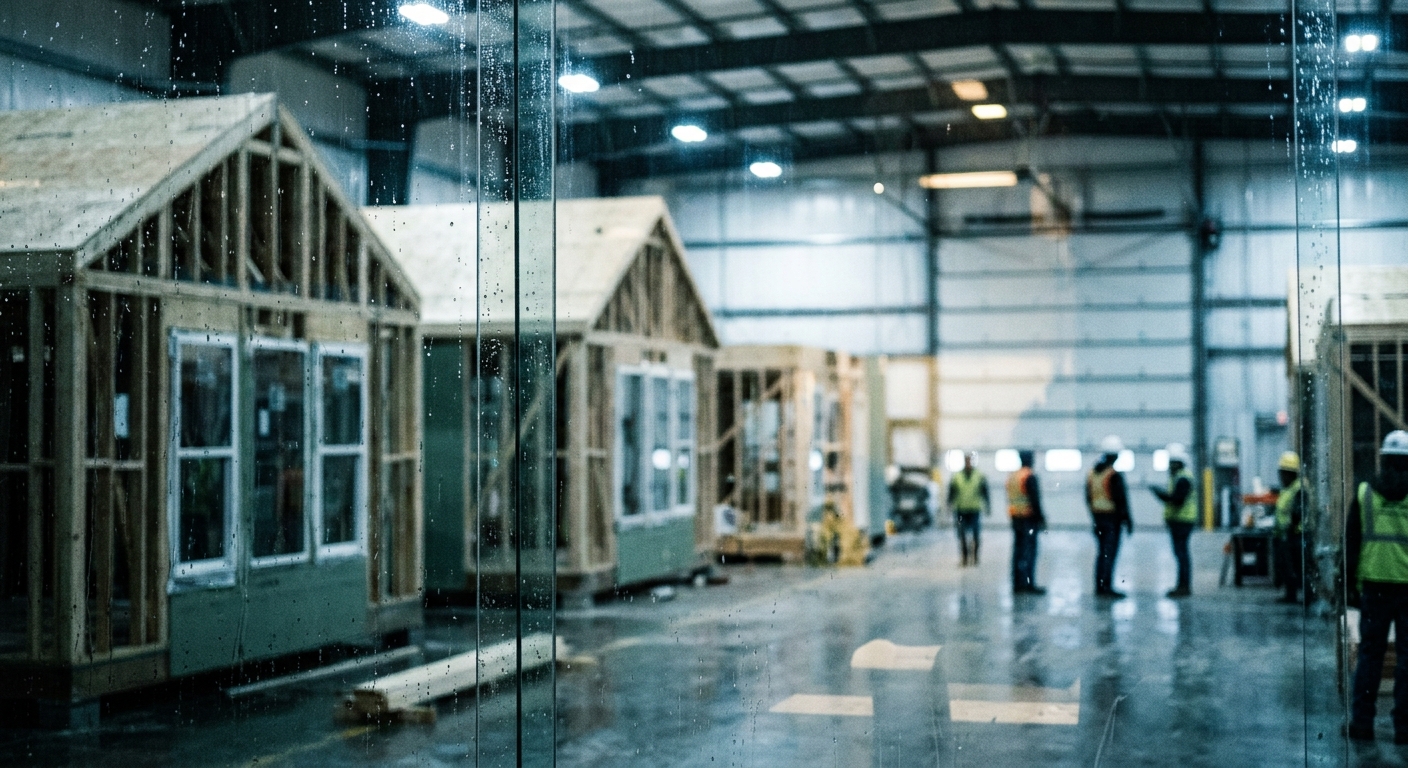
KB Home Expands with New ENERGY STAR® Communities Focused on Efficiency and Personalization
KB Home (Ticker: UNDEFINED) has made significant strides in its commitment to sustainability by expanding its portfolio with several new ENERGY STAR®-designated communities across the United States. T…
Garmin Launches Forerunner 70 and 170 Smartwatches for Serious Runners
Garmin Ltd (Ticker: UNDEFINED) is expanding its product offerings with the launch of its latest smartwatches— the Forerunner 70 and Forerunner 170. Designed with running enthusiasts in mind, these dev…
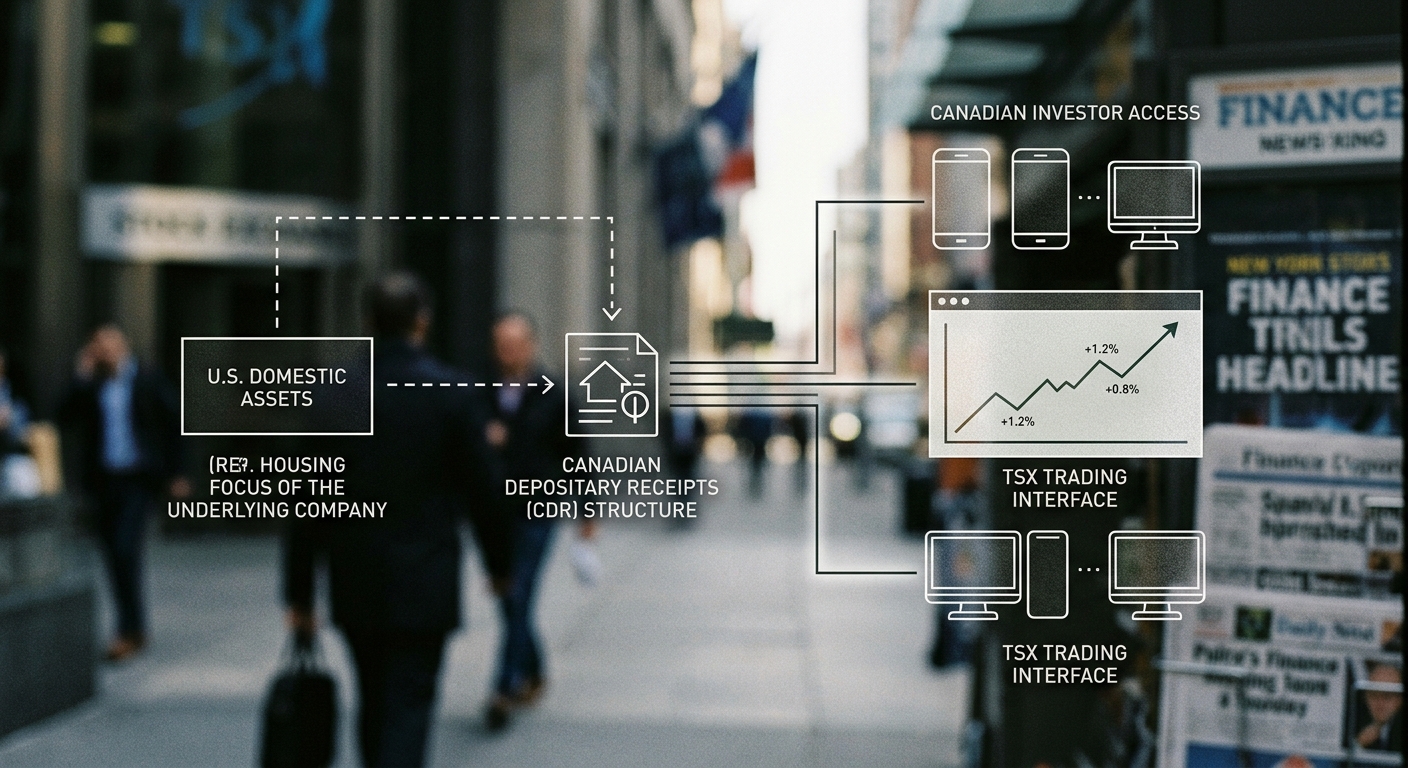
D.R. Horton Launches Canadian Depositary Receipts on TSX for Enhanced Investor Access
D.R. Horton (Ticker: UNDEFINED), a leading homebuilder in the United States, makes a significant expansion move by introducing Canadian Depositary Receipts (CDRs) on the Toronto Stock Exchange (TSX).…