
Northrop Grumman's Strategic Adaptation Amid Rising Geopolitical Tensions and Trade Challenges
- Northrop Grumman faces challenges from U.S.-China trade tensions, affecting supply chains and military procurement processes.
- The U.S. Supreme Court's tariff ruling may impact Northrop Grumman’s supply chain and operational budgets significantly.
- Northrop Grumman must prioritize AI innovation to maintain competitiveness and meet U.S. military needs in modern warfare.
Navigating Uncertainty Amidst Geopolitical Tensions: Northrop Grumman's Strategic Role
As the geopolitical landscape becomes increasingly fraught with tensions, Northrop Grumman, a key player in the defense industry, faces growing implications from the U.S.-China trade relationship and the evolving nature of warfare. With U.S. President Donald Trump's anticipated meeting with Chinese President Xi Jinping in Busan, concerns over trade practices remain at the forefront. The U.S. has initiated comprehensive investigations under Section 301 of the Trade Act, targeting China's alleged unfair practices in manufacturing, including forced labor and structural excess capacity. For Northrop Grumman and other defense contractors, these developments signal potential shifts in supply chains and military procurement processes, underscoring the importance of adaptability in a climate of uncertainty.
The recent decision by the U.S. Supreme Court to nullify Trump's "reciprocal" tariffs could significantly impact Northrop Grumman’s operations, as the company may face new challenges in its supply chain, particularly for materials sourced from China. The evolving tariff landscape and the ongoing trade negotiations could affect defense contracts and international partnerships. Additionally, the rising costs associated with these geopolitical tensions, including potential tariffs on essential components, pose risks to operational budgets and ultimately the defense spending priorities of the U.S. government. As dialogues between the two superpowers intensify, Northrop Grumman must navigate these complexities to maintain its competitive edge in a rapidly changing industry.
Furthermore, the shifting dynamics surrounding U.S. defense strategy, particularly regarding the use of artificial intelligence (AI), continues to open new avenues for Northrop Grumman's technological advancements. As rival firms like Palantir Technologies leverage AI to enhance military operations and exhibit resilience amid operational demands influenced by conflicts in regions like Iran, Northrop Grumman similarly must prioritize innovation in defense technology. The integration of AI in military applications not only provides significant operational advantages; it also plays a crucial role in shaping the future landscape of defense contracting. Northrop Grumman’s commitment to advancing digital capabilities positions it to meet the emerging needs of the U.S. military in the context of modern warfare.
In related industry developments, other defense firms like Leonardo are reporting increased demand for their products owing to heightened conflicts worldwide. The global climate of insecurity has prompted increases in defense spending across several nations, creating a favorable environment for companies focused on advanced defense technologies. Meanwhile, Palantir’s notable success in integrating AI within its military applications amplifies the importance of innovation in defense and national security strategies.
Overall, as Northrop Grumman anticipates the outcomes of the upcoming summit and the implications of evolving trade policies, it remains essential for the company to adapt its strategies to sustain growth and enhance its capabilities in an increasingly complex global landscape.
Related Cashu News
Icahn Enterprises L.P. Announces Key Leadership Changes for Corporate Stability and Strategy Continuity
Icahn Enterprises L.P. has made significant leadership changes aimed at stabilizing the company's corporate structure during a period of strategic evolution. Ted Papapostolou, a seasoned finance execu…
Thermon Group Holdings' Fiscal Year 2026: Resilience Amidst Revenue Growth and Margin Pressure
Thermon Group Holdings (Ticker: THR) navigates a challenging fiscal landscape as it releases its fiscal year 2026 results, showcasing both significant revenue achievements and persistent pressure on p…
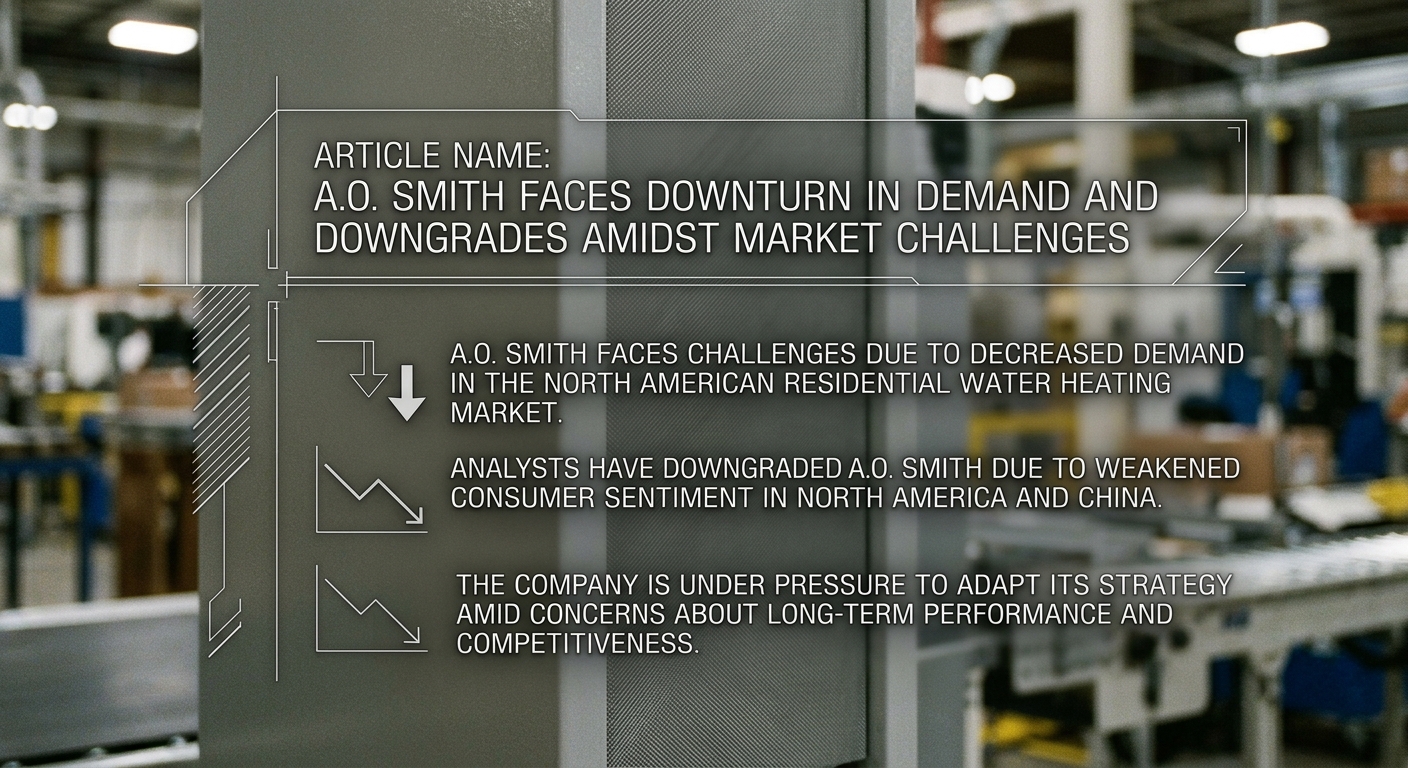
A.O. Smith Faces Downturn in Demand and Downgrades Amidst Market Challenges
A. O. Smith faces significant challenges in the water heating industry as it navigates a downturn in demand, particularly within the North American residential market. Analysts from JPMorgan and DA Da…

Watts Water Technologies Reports Strong Growth Driven by Data Center Cooling Demand
Watts Water Technologies (Ticker: WTS) has reported impressive first-quarter results for 2026, underscoring its strong position within the water technology industry. The company's sales reached $677.3…