
Novartis Settles with Henrietta Lacks' Family, Highlighting Ethical Concerns in Biomedical Research
- Thermo Fisher Scientific must uphold ethical standards and transparency in the use of human biological materials in research.
- The settlement highlights the need for informed consent and recognition of contributions from individuals in scientific progress.
- Ongoing discussions encourage healthcare organizations like Thermo Fisher to adopt fair practices centered on ethical protocols and patient rights.
Title: Ethical Concerns in Biomedical Research Highlighted by Lacks Settlement
In a significant ethical development within the biomedical field, Novartis AG has reached a confidential settlement with the family of Henrietta Lacks, whose HeLa cells have been pivotal in medical research since the 1950s. This resolution comes decades after her cervical cancer cells were taken without consent, sparking conversations on informed consent and patient rights. The HeLa cells, recognized as one of the most influential tools in medical science, have contributed substantially to advancements in vaccines, cancer research, and numerous other areas. However, the lack of acknowledgment and compensation for Lacks and her family reflects a long-standing issue in the realm of medical ethics.
The settlement symbolizes a critical recognition of Henrietta Lacks’ contribution to science and underlines the vital importance of informed consent in the use of human biological materials. While the details of the agreement remain private, the very act of settlement underscores the inherent responsibilities of researchers and organizations like Thermo Fisher Scientific to uphold ethical standards in their work. The historical neglect faced by Lacks' family enhances the pressing need for transparency concerning the use and commercialization of human tissues, which remains a contentious issue in biomedical research today.
As the biomedical community grapples with this settlement's significance, it serves as a reminder of the wider implications for future research policies. Advocates for ethical reform are increasingly vocal about ensuring patients’ rights are central to medical advancements. This case emphasizes the necessity for organizations engaged in healthcare and research to learn from past mistakes and implement practices that recognize and protect the dignity of individuals who contribute to scientific progress. For Thermo Fisher Scientific and its peers, the ongoing dialogue around equity and justice in research is a critical area for introspection and action.
In addition to the settlement, this case raises broader questions about the ethical frameworks guiding the use of biological materials in research. The conversation around informed consent is far from over, as patient rights advocates push for systemic changes that acknowledge and address historical injustices. Moving forward, healthcare organizations face the challenge of implementing ethical protocols that honor the contributions of individuals like Henrietta Lacks, ensuring that they receive the recognition and respect they deserve.
The implications of this settlement ripple throughout the biomedical field, reinforcing the necessity for transparency and ethical conduct. As organizations like Thermo Fisher Scientific look to the future, the urgency of establishing fair practices, centered on informed consent and compensation, becomes increasingly clear. This pivotal moment marks a step toward a more equitable framework in medical research, inviting a reevaluation of how the industry approaches consent and acknowledgment in the pursuit of scientific advancement.
Related Cashu News
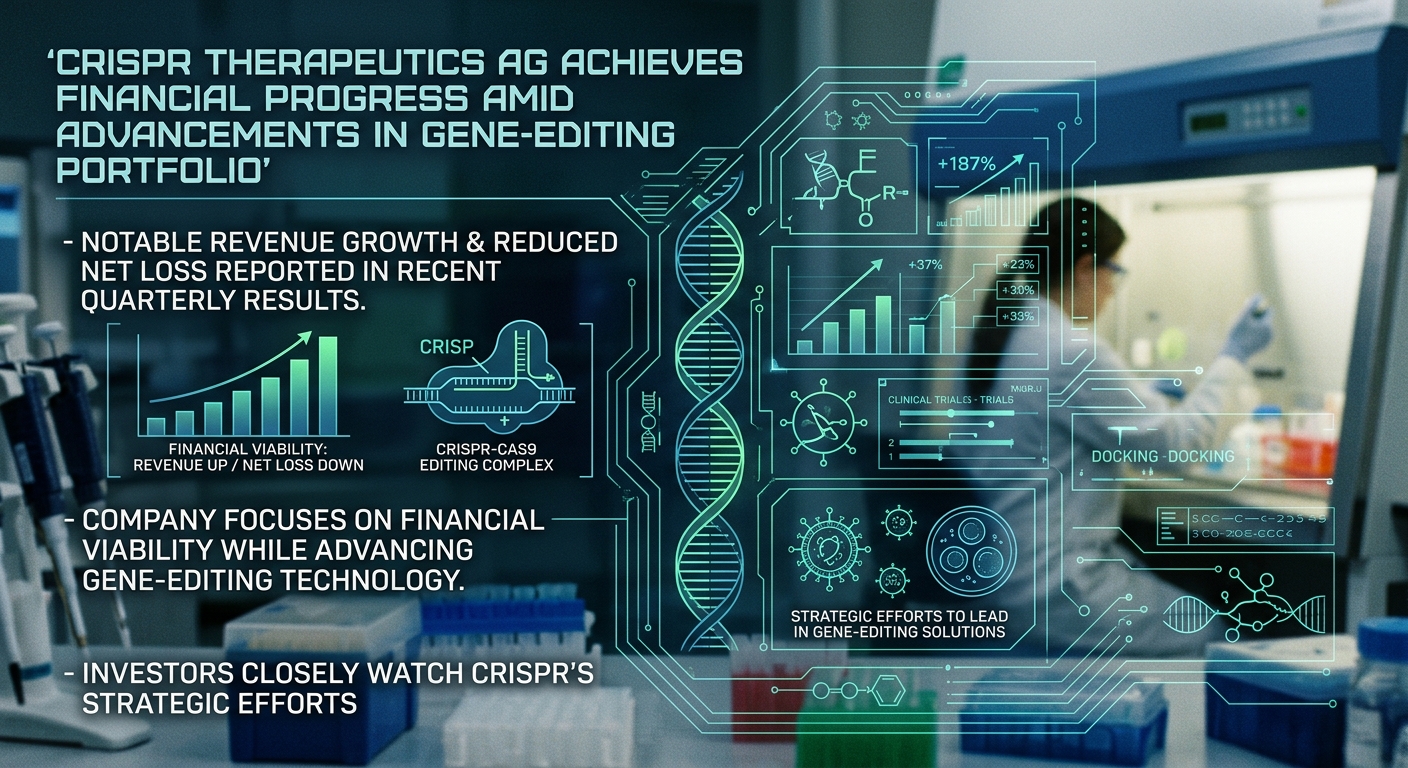
CRISPR Therapeutics AG Achieves Financial Progress Amid Advancements in Gene-Editing Portfolio
CRISPR Therapeutics AG (Ticker: UNDEFINED) showcases a pivotal moment in its financial journey with the release of its results for the first quarter of 2026. Highlighting a revenue of $1.46 million, t…

MetaVia to Present Innovative Cardiometabolic Research at 2026 ADA Scientific Sessions
MetaVia is set to showcase its innovative research in cardiometabolic diseases at the upcoming American Diabetes Association (ADA) Scientific Sessions in 2026, following the acceptance of three late-b…

Ionis Pharmaceuticals Advances TRYNGOLZA for Hypertriglyceridemia and Diranersen for Alzheimer's Disease
Ionis Pharmaceuticals has made headlines in the biotechnology sector with the promising potential of its drug TRYNGOLZA, which is designed to treat severe hypertriglyceridemia. During a recent healthc…

ImmunityBio Partners with BCG Laboratory to Enhance Bladder Cancer Treatment Supply and Options
ImmunityBio has secured a critical partnership with Japan's BCG Laboratory to enhance the supply of Bacillus Calmette-Guérin (BCG) in the United States, addressing an urgent need in the treatment of b…