
Oil Prices Surge Amid U.S.-Israel Military Actions Against Iran and Ongoing Supply Concerns
- Valero Energy faces potential price hikes as military tensions drive oil prices above $79 per barrel.
- Disruptions in the Strait of Hormuz could significantly impact Valero's supply chain and consumer gasoline prices.
- Valero must navigate heightened volatility in the global oil market amid ongoing geopolitical risks and potential supply constraints.
Escalating Military Tensions Drive Oil Price Surge and Supply Chain Concerns
In the wake of significant military actions taken by the U.S. and Israel against Iran and Hezbollah, oil prices have surged to their highest levels in over a year. This uptick is primarily fueled by geopolitical tensions that threaten the stability of crude oil supplies, particularly in the strategically vital Strait of Hormuz. On the global market, Brent crude prices spike to $79.40 per barrel—a 9.3% increase—while U.S. West Texas Intermediate (WTI) prices climb to $73.10, marking a 9% rise. The heightened volatility in oil prices follows President Donald Trump's announcement of Operation Epic Fury, a military campaign reacting to Iran's aggressive actions targeting infrastructure across multiple nations. Analysts, including Energy Aspects founder Amrita Sen, predict that oil prices may stabilize around the $80 mark but warn of ongoing risks linked to regional security.
The Strait of Hormuz serves as a critical channel for oil transportation, facilitating about 13-15 million barrels of crude daily, which equates to roughly 20% of the world's oil supply. Sen points out that while the military capabilities of the U.S. and Israel are deemed adequate to deter Iran from completely obstructing this vital route, the risk of intermittent attacks on shipping vessels remains a significant concern. The emergence of recent incidents, where multiple tankers have faced attacks, has prompted shipping companies to adopt more cautious navigation strategies in the area. Although alternative routes exist, including pipelines through Oman and specific UAE grids, they are still less efficient for large-scale transportation, leading to fears that continued regional instability could cause oil prices to escalate dramatically—potentially exceeding $100 per barrel.
In this shifting landscape, experts assert that any significant disruption in oil supply through the Strait of Hormuz could have immediate repercussions for consumer gasoline prices. Current reports from the American Automobile Association indicate that the average price of unleaded gasoline in the U.S. reaches $2.997 per gallon. Analysts warn that a $10 increase in oil prices could translate to an additional 25 cents at the pump. Potential supply disruptions can escalate costs swiftly, with consumer burdens expected to rise in response to fluctuating oil prices. As the conflict evolves, ongoing tensions between the U.S., Israel, and Iran are positioning the global oil market for volatility that could last for months.
In other developments, the reentry of Venezuela into the global oil market raises questions about its impact on overall crude prices. Contrary to previous concerns of a price collapse, the resurgence of Venezuelan oil production is predicted to reshape competitive dynamics within the oil industry, introducing new barrels without drastically lowering prices. This situation underlines the complexity of the global oil market, where the interplay of geopolitical factors and supply dynamics will ultimately determine winners and losers among producers and consumers alike. With the situation still developing, the focus on both regional security and broader market influences remain critical for stakeholders in the oil sector.
Related Cashu News

Kimbell Royalty Partners LP Acquires $147 Million in Oil and Gas Interests from Mesa Royalties
Kimbell Royalty Partners LP (Ticker: UNDEFINED) announces a major acquisition that significantly enhances its position in the oil and gas mineral and royalty sector. The deal, valued at approximately…
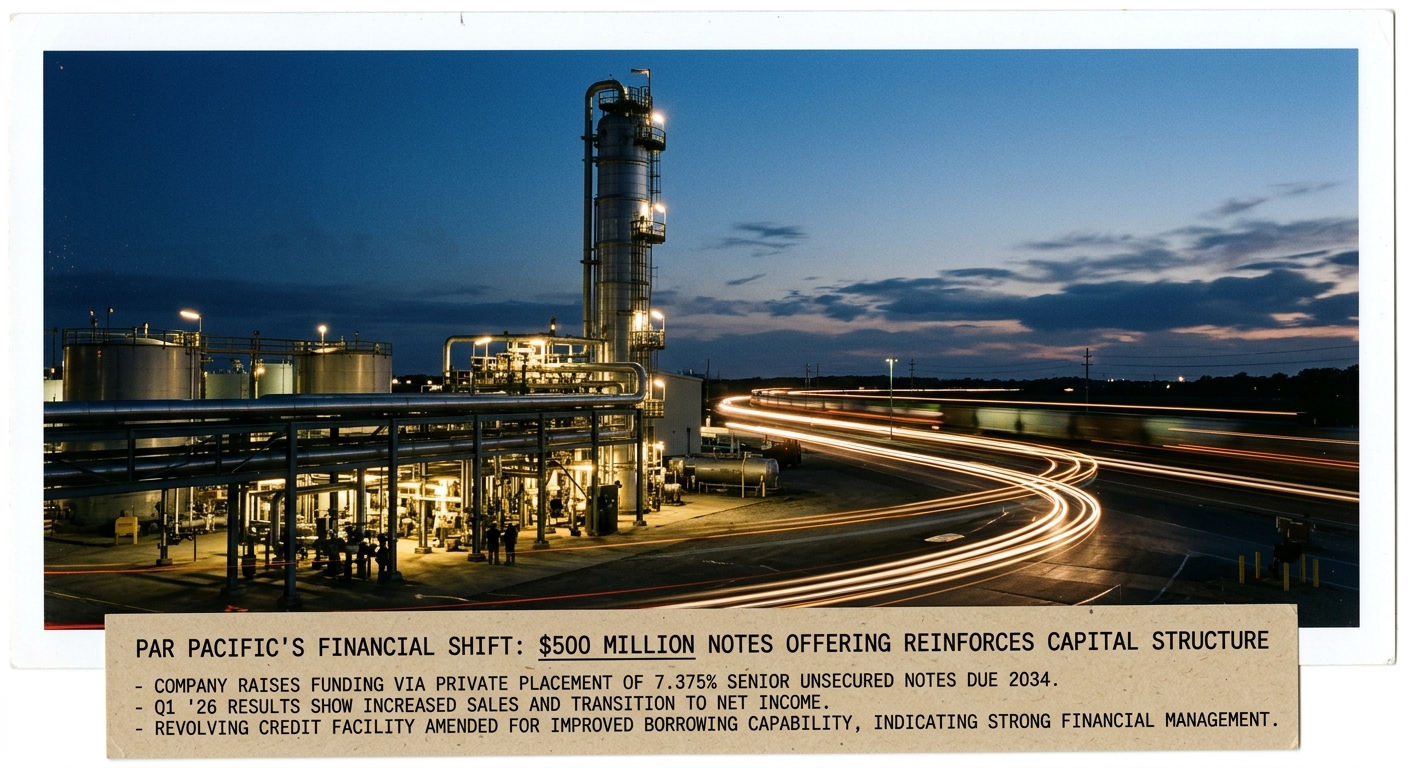
Par Pacific Strengthens Capital Structure with $500 Million Notes Offering and Improved Financial Performance
Par Pacific Holdings, Inc. has recently strengthened its capital structure by completing a $500 million private placement of 7.375% senior unsecured notes, which are set to mature on June 1, 2034. Thi…
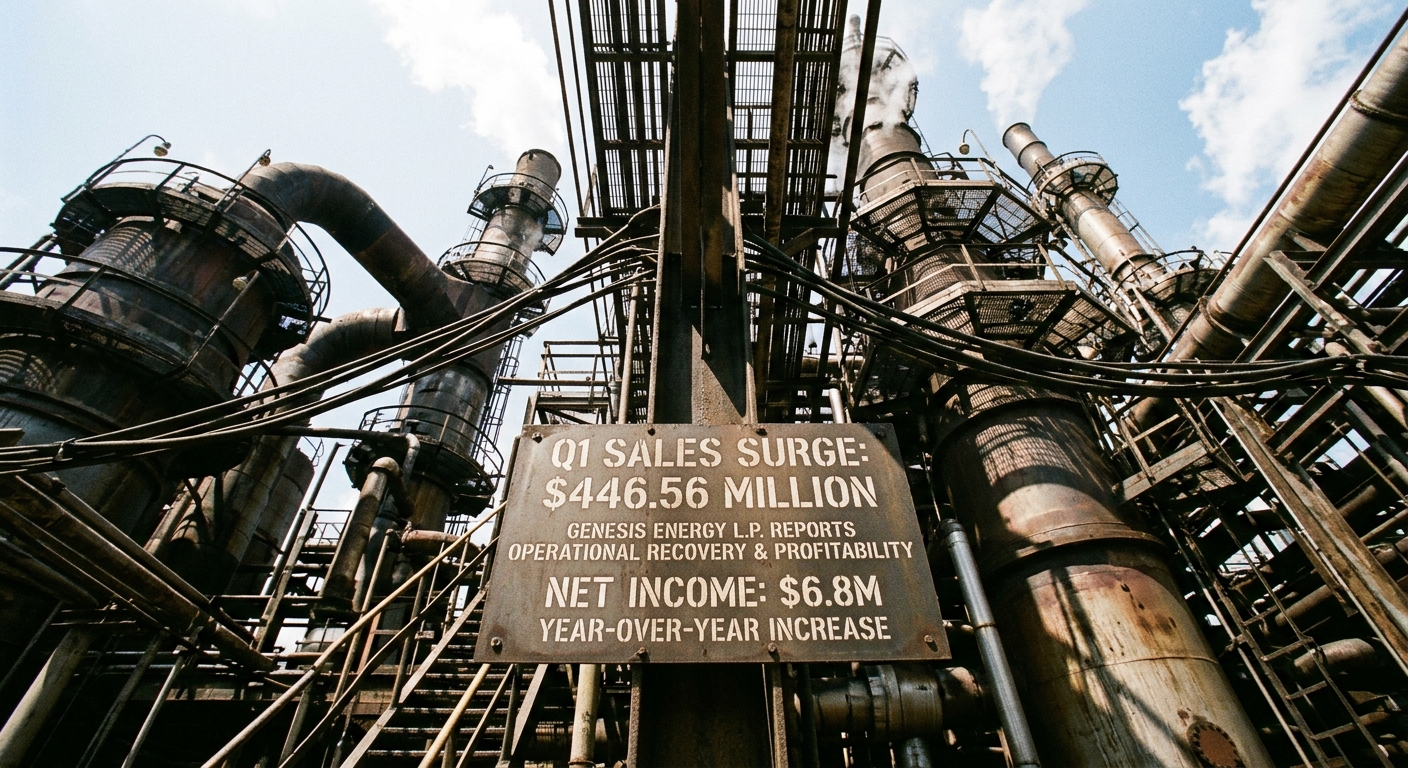
Genesis Energy L.P. Reports Q1 Profitability Surge with $446.56 Million in Sales
Genesis Energy L.P. (Ticker: UNDEFINED) announces its first-quarter financial results, signaling a resurgence in profitability and operational performance. The company reports total sales of $446.56 m…

Nordic American Tankers Finalizes New Leasing Contracts to Strengthen Cash Position and Dividends.
Nordic American Tankers (Ticker: NAT) has recently marked a significant milestone by finalizing multiple new vessel leasing contracts in a favorable tanker market. This strategic move is aimed at rein…