
Oil Prices Surge Amid Middle East Tensions; Halliburton Faces Rising Operational Challenges
- Halliburton must adapt its risk management strategies to address rising oil prices and geopolitical tensions.
- Ongoing military conflicts could increase operational costs and disrupt critical supply routes for Halliburton.
- Halliburton's strategic response to inflationary pressures will be crucial for its future operational stability.
### Oil Price Surge Highlights Geopolitical Tensions and Supply Chain Vulnerabilities
In recent days, escalating military actions in the Middle East have driven a significant surge in oil prices, dramatically impacting the global oil market. Brent crude has risen to a 52-week high of around $79.40 per barrel, marking a 9.3% increase, while U.S. West Texas Intermediate (WTI) prices have surged over 9% to $73.10. These developments follow U.S. and Israeli military operations targeting Iranian military infrastructure, coined by President Donald Trump as "Operation Epic Fury." This military escalation raises concerns about the security of the Strait of Hormuz, a vital channel for crude oil transportation that handles approximately 20% of global oil supply, amounting to 13-15 million barrels per day. Analysts suggest this uptick in oil prices aligns with apprehensions over potential disruptions to this key shipping route amid ongoing military activities in the region.
Amidst these rising prices, energy market experts continue to express caution regarding the longer-term implications of sustained military conflict in the area. Amrita Sen, founder and director of research at Energy Aspects, believes the current prices might stabilize around the $80 mark, yet emphasizes ongoing risks to maritime security that could trigger further price escalations. She notes that while military strength may prevent Iran from completely disrupting the Strait of Hormuz, sporadic attacks on commercial vessels could heighten tensions and restrict oil transport, leading to a potentially volatile market. The situation underscores the delicate balance of energy logistics in an increasingly uncertain geopolitical climate, where regional conflicts can inadvertently lead to inflated prices and disrupted supply chains.
The ramifications of these developments extend beyond immediate oil price fluctuations. The conflict has raised significant concerns about global inflation, as rising energy costs typically lead to broader economic pressures. As military actions in the region continue, analysts caution that their destabilizing effects could lead to increased inflation risk, contrary to narratives suggesting current economic conditions remain under control. For Halliburton and other key players in the energy sector, the environment characterized by rising oil prices combined with geopolitical tensions necessitates vigilant risk management strategies. The potential for sustained disruptions caused by this conflict may lead to not only higher operational costs but also the challenge of maintaining stability in critical supply routes.
In other related developments, the ongoing military operations and their implications for oil supply chains highlight the complexities faced by global energy markets. The situation poses a critical challenge for central banks, especially as inflationary pressures mount due to surging oil prices and associated economic disruptions. As economies grapple with balancing growth and inflation, Halliburton's strategic response to these challenges may define its operational landscape in the near future.
Additionally, with the U.S. and Europe heavily influenced by changing energy costs, the geopolitical tensions provoke broader discussions regarding energy security and market reliance. As various actors in the oil industry foresee fluctuations in supply and demand, the effectiveness of risk mitigation strategies will be put to the test.
Related Cashu News

Kimbell Royalty Partners LP Acquires $147 Million in Oil and Gas Interests from Mesa Royalties
Kimbell Royalty Partners LP (Ticker: UNDEFINED) announces a major acquisition that significantly enhances its position in the oil and gas mineral and royalty sector. The deal, valued at approximately…
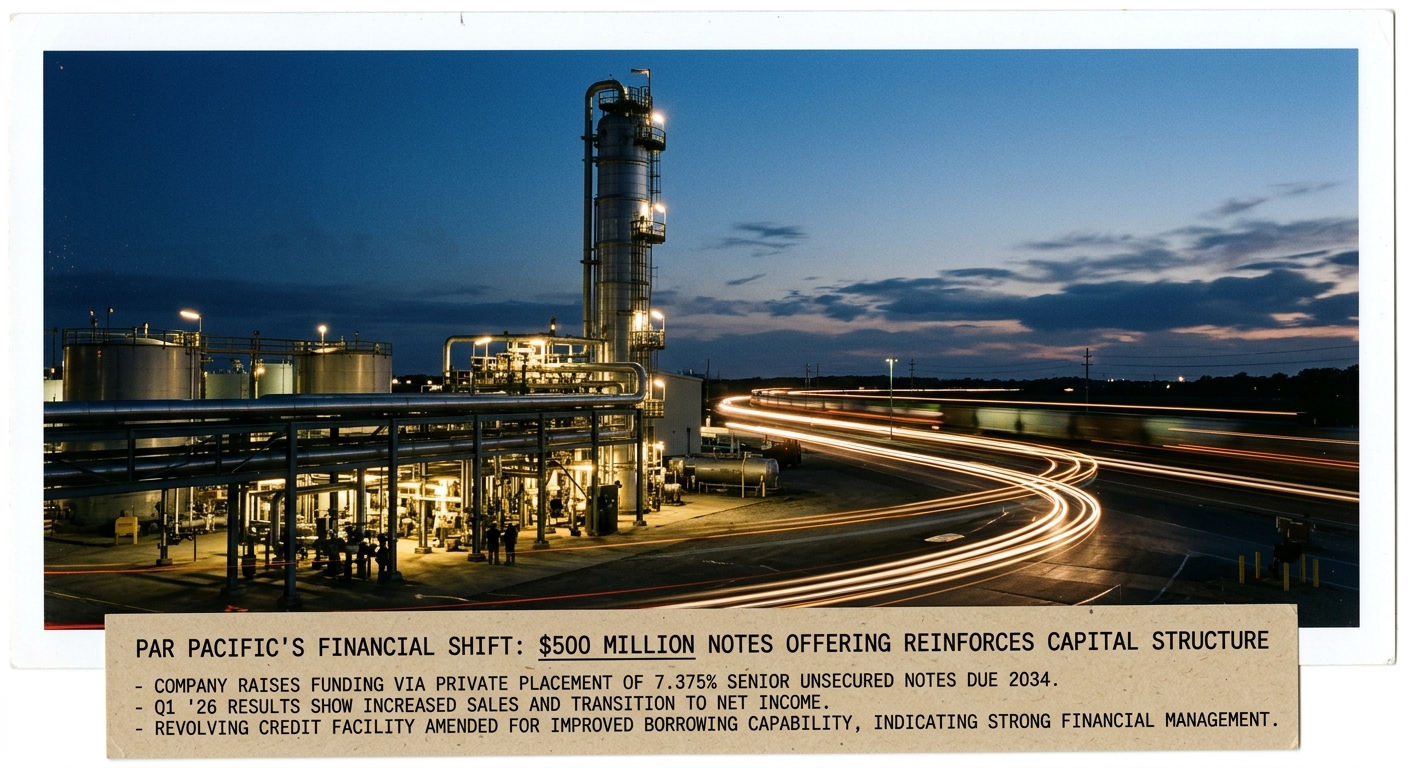
Par Pacific Strengthens Capital Structure with $500 Million Notes Offering and Improved Financial Performance
Par Pacific Holdings, Inc. has recently strengthened its capital structure by completing a $500 million private placement of 7.375% senior unsecured notes, which are set to mature on June 1, 2034. Thi…
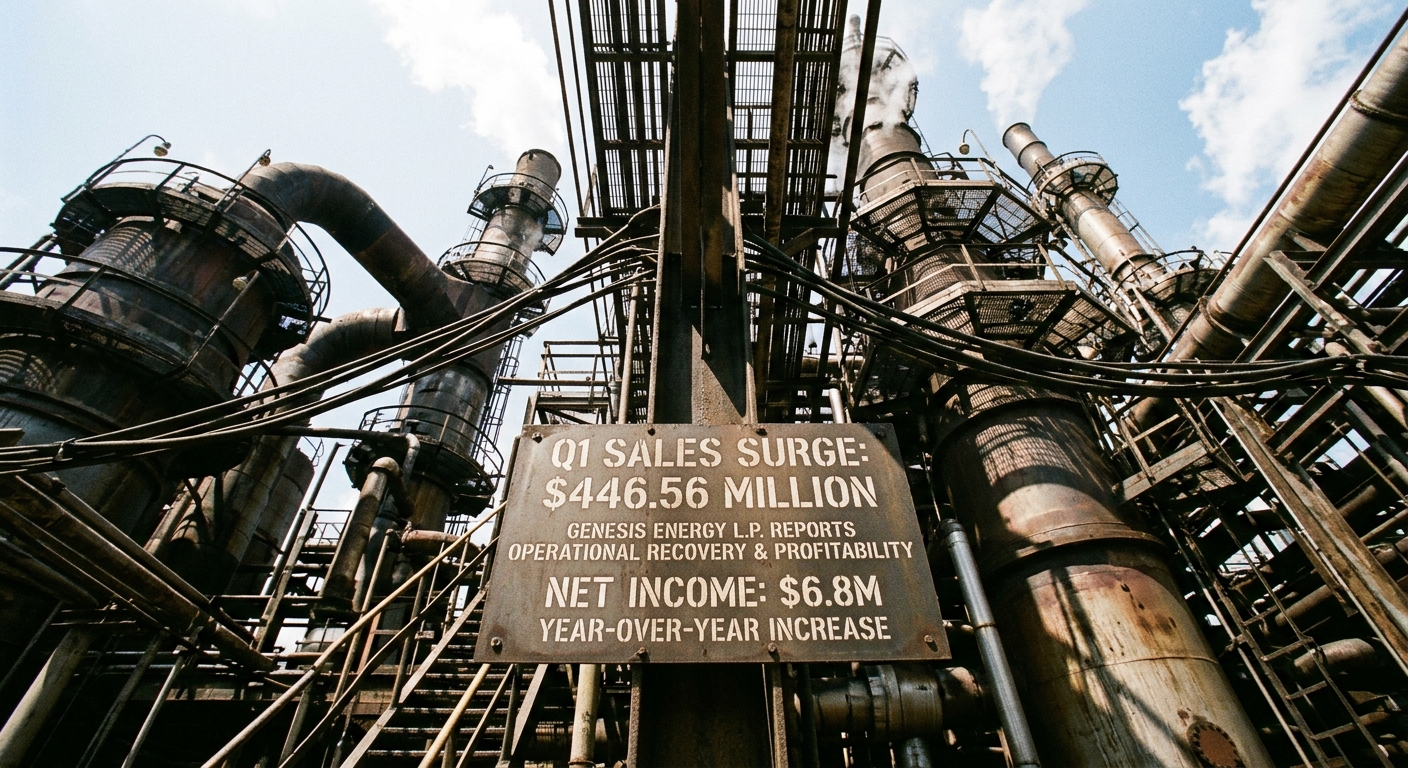
Genesis Energy L.P. Reports Q1 Profitability Surge with $446.56 Million in Sales
Genesis Energy L.P. (Ticker: UNDEFINED) announces its first-quarter financial results, signaling a resurgence in profitability and operational performance. The company reports total sales of $446.56 m…

Nordic American Tankers Finalizes New Leasing Contracts to Strengthen Cash Position and Dividends.
Nordic American Tankers (Ticker: NAT) has recently marked a significant milestone by finalizing multiple new vessel leasing contracts in a favorable tanker market. This strategic move is aimed at rein…