
Private Equity Valuations Under Scrutiny Amid Investor Concerns and Market Uncertainty
- Ares Management faces scrutiny amid concerns over inflated valuations in the private equity sector, particularly in software investments.
- Investor anxiety leads to increased withdrawals from private credit funds, impacting financial stability for firms like Ares Management.
- Stakeholders must prioritize transparency and adaptability as private equity firms navigate shifting market dynamics and potential risks.
Navigating the Turbulent Waters of Private Equity Valuations
In the realm of private equity, recent discussions reveal significant concerns surrounding valuations, particularly in the software sector. John Zito, co-president of asset management for Apollo Global Management, underscores a troubling reality during a recent client meeting with UBS. He expresses strong skepticism regarding the inflated valuations many private equity firms assign to their software holdings, claiming, “I literally think all the marks are wrong.” This statement emerges amid a broader context of diminishing valuations in public technology companies, exacerbated by fears surrounding technological advancements and obsolescence driven by innovations like AI from companies such as Anthropic and OpenAI. As stock prices dip, the shaky ground upon which these private equity valuations stand becomes increasingly evident.
The situation grows even more complex as investor behaviors ripple through the private credit landscape. Following Zito's alarming insights, there is a notable rise in investor anxiety, with approximately $10 billion withdrawn from private credit funds in the first quarter alone. This trend reflects a growing reluctance to engage with private equity holdings, especially those related to software, amid whispers of undervaluation. Major financial institutions, including JPMorgan Chase, are recognizing these precarious dynamics, resulting in reduced lending to private credit firms. This response signifies not only a shift in market sentiment but also a cautionary stance on potential risks that lurk beneath the surface of high-stakes private equity dealings.
Amid this backdrop of financial uncertainty, it is crucial to consider the systemic implications of the current private equity landscape. Estimates suggest that the total capital at play within this sector could reach between $1.8 and $3 trillion, echoing the scale of failures witnessed during the 2007-2009 financial crisis. The hidden complexities of leverage among private equity firms, including notable players like Blue Owl Capital and Blackstone, contribute to the growing apprehension surrounding financial stability. The market remains largely unaware of the entangled debt structures and their possible ramifications, which raises queries about the resilience of private equity against external shocks. As the landscape evolves, a cautious approach becomes increasingly vital for stakeholders navigating these tumultuous market conditions.
In conclusion, the rising tide of investor redemptions and the ongoing scrutiny of valuations poses formidable challenges for private equity firms. Companies like Apollo Global Management are strategically positioning themselves to weather these storms, emphasizing their focus on larger, more stable entities rather than on risk-laden software investments. Yet, the unease surrounding the sector signals a potential foreboding of deeper issues ahead, urging private equity leaders to recalibrate their approach amidst a shifting financial ecosystem.
As private equity firms adjust to this new terrain, it remains paramount for stakeholders to maintain vigilance. Investors must scrutinize fund compositions and leverage strategies, while firms must foster transparency and adaptability to restore market confidence amidst evolving economic realities. The interplay of technology, investor sentiment, and market dynamics will undoubtedly shape the private equity landscape in the years to come.
Related Cashu News

Blackstone Mortgage Trust Launches $450 Million Senior Secured Notes for Financial Stability
Blackstone Mortgage Trust (Ticker: UNDEFINED) has initiated a private offering of US$450 million in senior secured notes due in 2031, marking a strategic move to strengthen its capital structure. This…
![AllianceBernstein Partners with Brookfield and Carlyle to Launch ABC [ONE] Retirement Solution.](https://firebasestorage.googleapis.com/v0/b/cashuapplication.appspot.com/o/cashuNewsData%2Fe612a612bbd7a184b952afc6b0cafecacfe232d3%2Fnews_e612a612bbd7a184b952afc6b0cafecacfe232d3.png?alt=media&token=019545694f4417154e316de7809f1ae8)
AllianceBernstein Partners with Brookfield and Carlyle to Launch ABC [ONE] Retirement Solution.
AllianceBernstein Holding L.P. (Ticker: UNDEFINED) collaborates with Brookfield Asset Management and Carlyle to launch an innovative retirement solution, ABC [ONE], aimed at enhancing asset class dive…
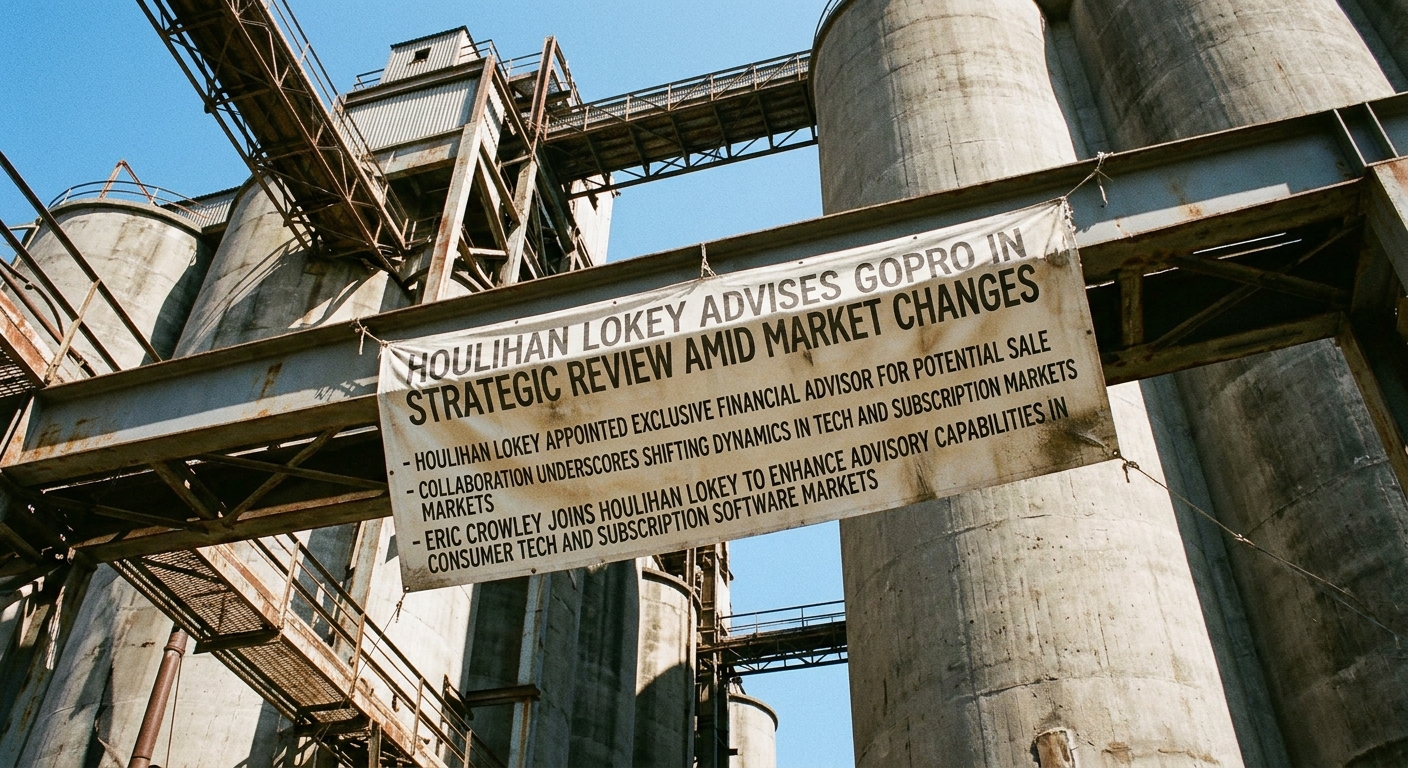
Houlihan Lokey Advises GoPro in Strategic Review Amid Market Changes
Houlihan Lokey (Ticker: HLI) has recently been appointed as the exclusive financial advisor to GoPro, a well-known consumer electronics company. This appointment marks a pivotal moment as GoPro embark…

Federated Hermes Announces Steve Chiavarone as New Chief Investment Officer for Global Equities
Federated Hermes, Inc. (Ticker: UNDEFINED) undergoes a pivotal leadership transition with the appointment of Steve Chiavarone, CFA, as its new Chief Investment Officer for Global Equities, effective S…