
Rising credit-pull fees threaten LendingTree’s pricing model; single-bureau vs tri-merge debate
- LendingTree's price-transparency model is threatened by rising credit-report fees affecting comparison shopping.
- Higher tri-merge fees could inflate closing estimates, hurt conversions, or force LendingTree to change fee displays.
- LendingTree may need to update onboarding, matching algorithms and consumer disclosures in response to FHFA guidance.
Rising “credit-pull” fees put mortgage marketplaces on the spot
Main Topic — LendingTree’s business model meets a small but growing cost
LendingTree and other online mortgage marketplaces face pressure as lenders push higher fees for credit reports, a component of closing costs that is rapidly rising. The Mortgage Bankers Association tells the Federal Housing Finance Agency that credit-report charges could increase 40% to 50% in 2026, prompting lenders to seek the option of relying on a single credit bureau rather than the customary tri-merge pull for borrowers with scores of 700 or higher. For marketplaces that match consumers to multiple lenders, those shifts change the pricing picture presented to shoppers and the underwriting inputs used by lender partners.
The request is material to LendingTree because its value proposition rests on price transparency and efficient comparison shopping. Single-bureau pulls for higher-scoring borrowers may reduce friction and lower quoted closing costs across partner lenders, simplifying rate and fee comparisons. Conversely, higher tri-merge fees inflate out-of-pocket closing estimates and complicate the shopping experience, potentially depressing conversion rates or prompting LendingTree to alter how it displays lender fees and disclosure language to consumers.
Regulatory and operational considerations also carry direct implications for marketplace operations. Because Fannie Mae and Freddie Mac set de facto standards for many lenders, any FHFA guidance on acceptable credit-reporting practices is likely to cascade through LendingTree’s network of loan originators. LendingTree may need to update lender onboarding, adjust matching algorithms to prefer lenders using single-bureau pulls where permissible, and bolster consumer disclosures to address transparency and consumer-protection concerns that critics raise about reduced redundancy.
Secondary-market oversight and industry debate
The FHFA’s oversight of Fannie Mae and Freddie Mac makes its response pivotal: changes to acceptable credit-reporting could quickly reshape underwriting workflows across the secondary market. Industry groups argue that standardized permission for single-bureau pulls could cut costs and speed originations, while consumer advocates warn it may weaken fraud and accuracy safeguards that tri-merge reports provide.
Credit-profile context and borrower impact
Average credit scores for buyers remain relatively high — the New York Fed reports 734 for first-time and 775 for repeat buyers in 2024 — a fact MBA cites to support targeted single-bureau pulls for higher-scoring applicants. Regulators and market participants are monitoring the debate closely to balance lower consumer costs, operational efficiency and the need to preserve underwriting integrity.
Related Cashu News

Blackstone Mortgage Trust Launches $450 Million Senior Secured Notes for Financial Stability
Blackstone Mortgage Trust (Ticker: UNDEFINED) has initiated a private offering of US$450 million in senior secured notes due in 2031, marking a strategic move to strengthen its capital structure. This…
![AllianceBernstein Partners with Brookfield and Carlyle to Launch ABC [ONE] Retirement Solution.](https://firebasestorage.googleapis.com/v0/b/cashuapplication.appspot.com/o/cashuNewsData%2Fe612a612bbd7a184b952afc6b0cafecacfe232d3%2Fnews_e612a612bbd7a184b952afc6b0cafecacfe232d3.png?alt=media&token=019545694f4417154e316de7809f1ae8)
AllianceBernstein Partners with Brookfield and Carlyle to Launch ABC [ONE] Retirement Solution.
AllianceBernstein Holding L.P. (Ticker: UNDEFINED) collaborates with Brookfield Asset Management and Carlyle to launch an innovative retirement solution, ABC [ONE], aimed at enhancing asset class dive…
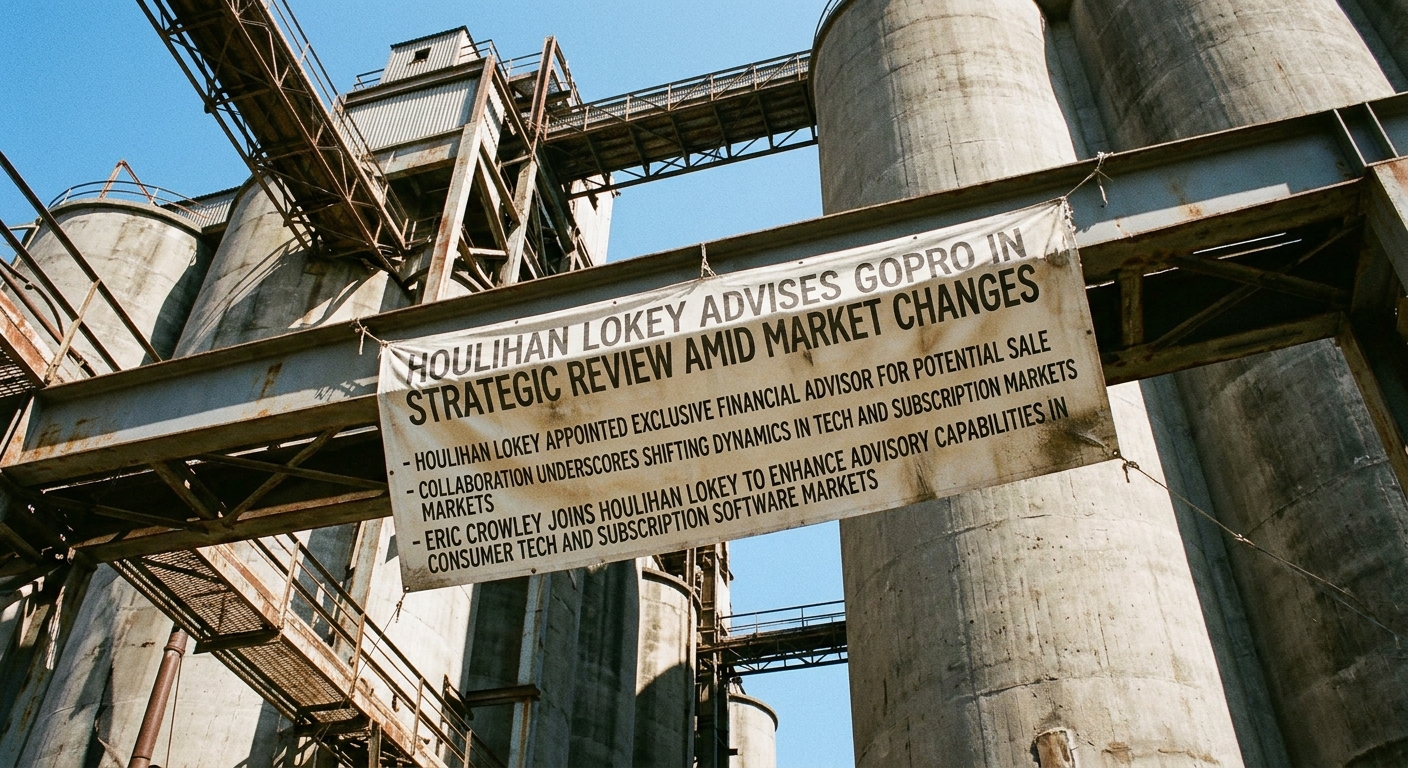
Houlihan Lokey Advises GoPro in Strategic Review Amid Market Changes
Houlihan Lokey (Ticker: HLI) has recently been appointed as the exclusive financial advisor to GoPro, a well-known consumer electronics company. This appointment marks a pivotal moment as GoPro embark…

Federated Hermes Announces Steve Chiavarone as New Chief Investment Officer for Global Equities
Federated Hermes, Inc. (Ticker: UNDEFINED) undergoes a pivotal leadership transition with the appointment of Steve Chiavarone, CFA, as its new Chief Investment Officer for Global Equities, effective S…