
Shipping Industry Struggles Amid Middle East Conflict and Rising Freight Rates
- International Seaways faces operational challenges due to geopolitical tensions, impacting shipping logistics and increasing uncertainty.
- The Strait of Hormuz disruption threatens global oil supply and container trade, prompting a need for alternative routes.
- Rising freight rates for Very Large Crude Carriers reflect escalating fears and increased costs within the shipping sector.
Shipping Industry Faces Turbulence Amid Middle East Conflict
The escalating conflict in the Middle East significantly impacts the global maritime shipping industry, with major players like Maersk halting vessel crossings through the Strait of Hormuz. This strategic corridor handles approximately 20.9 million barrels of oil daily, making it crucial for global oil supply and trade. Following recent military strikes by the U.S. and Israel on Iran, Maersk has issued warnings about potential delays in services that call at ports in the Arabian Gulf, indicating that geopolitical tensions may disrupt operational logistics extensively. The decision to reroute future sailings around the Cape of Good Hope underscores the urgency of adapting to the upheaval in the region.
According to industry analysis by Peter Sand from Xeneta, the unrest is creating cumulative fatigue within the shipping sector as companies continuously modify contingency plans amidst evolving geopolitical events. The situation also presents broader implications for energy markets, with the potential for increased oil prices and supply chain delays extending beyond the shipping sector. The ramifications of such disruptions in oil shipments reverberate across various industries reliant on stable energy supplies. Even with all vessels currently operational, the uncertainty surrounding transit lines may lead to heightened shipping rates, affecting costs across the board.
The strategic significance of the Strait of Hormuz extends beyond oil transport; it also serves as a critical artery for global container trade. Major ports like Jebel Ali and Khor Fakkan function as essential hubs for international shipping logistics. Disruptions in this corridor could lead to significant bottlenecks, forcing companies to explore alternative routes and strategies. As maritime insurers, including notable firms such as the American Club and Gard, have begun canceling war risk coverage due to the rising threats, shipowners face added challenges as they navigate an increasingly complex landscape of risk management.
In parallel to Maersk’s pullback, freight rates for Very Large Crude Carriers (VLCCs) witness an unprecedented surge amid fears of conflict escalation, reaching $423,736 per day recently—a staggering increase of over 94% in just one week. Despite the heightened threat levels in the region and claims from the Iranian Revolutionary Guards regarding the potential closure of the Strait, the U.S. military contests this assertion, leaving the situation in a state of flux. The hesitance among charterers to secure vessels further complicates an already strained market, as the shipping sector grapples with an environment of uncertainty and escalating economic pressures.
Related Cashu News

Kimbell Royalty Partners LP Acquires $147 Million in Oil and Gas Interests from Mesa Royalties
Kimbell Royalty Partners LP (Ticker: UNDEFINED) announces a major acquisition that significantly enhances its position in the oil and gas mineral and royalty sector. The deal, valued at approximately…
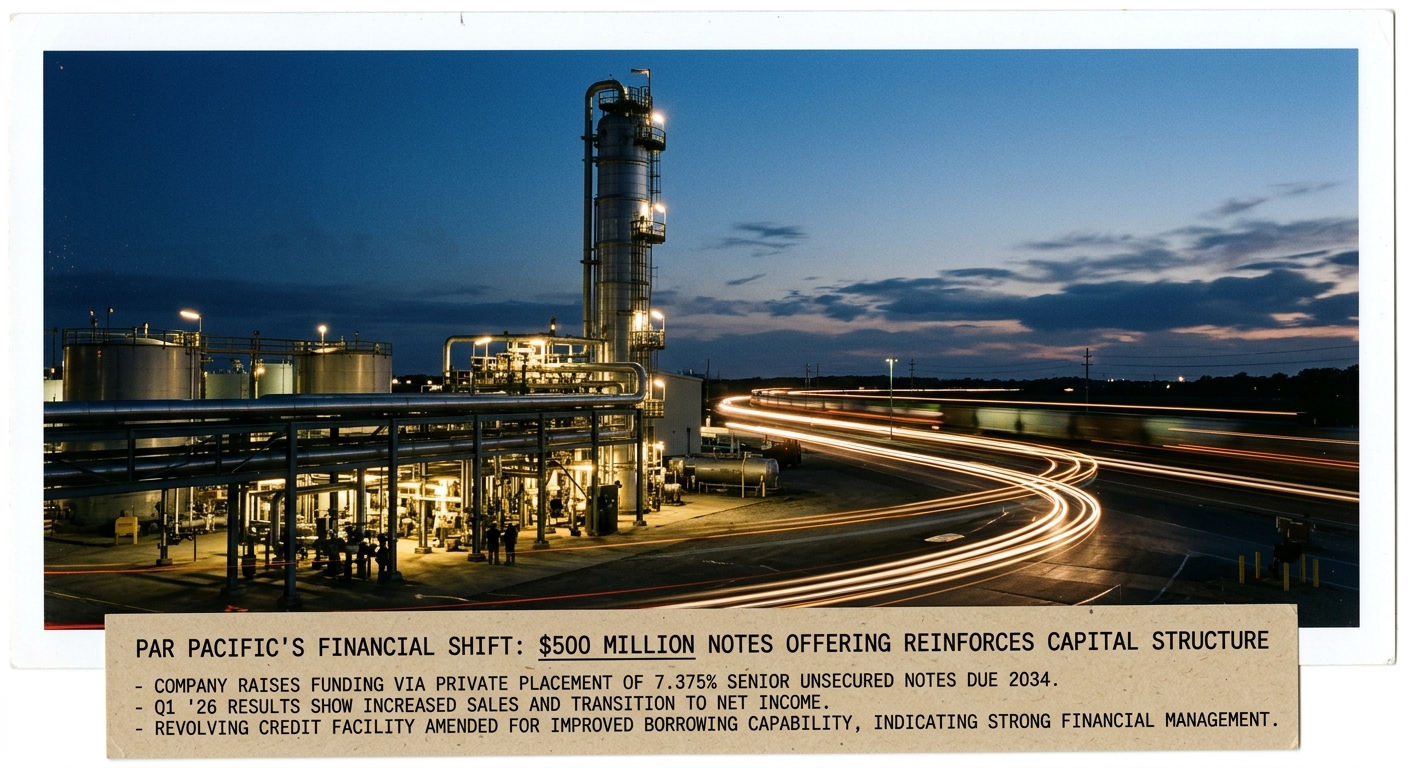
Par Pacific Strengthens Capital Structure with $500 Million Notes Offering and Improved Financial Performance
Par Pacific Holdings, Inc. has recently strengthened its capital structure by completing a $500 million private placement of 7.375% senior unsecured notes, which are set to mature on June 1, 2034. Thi…
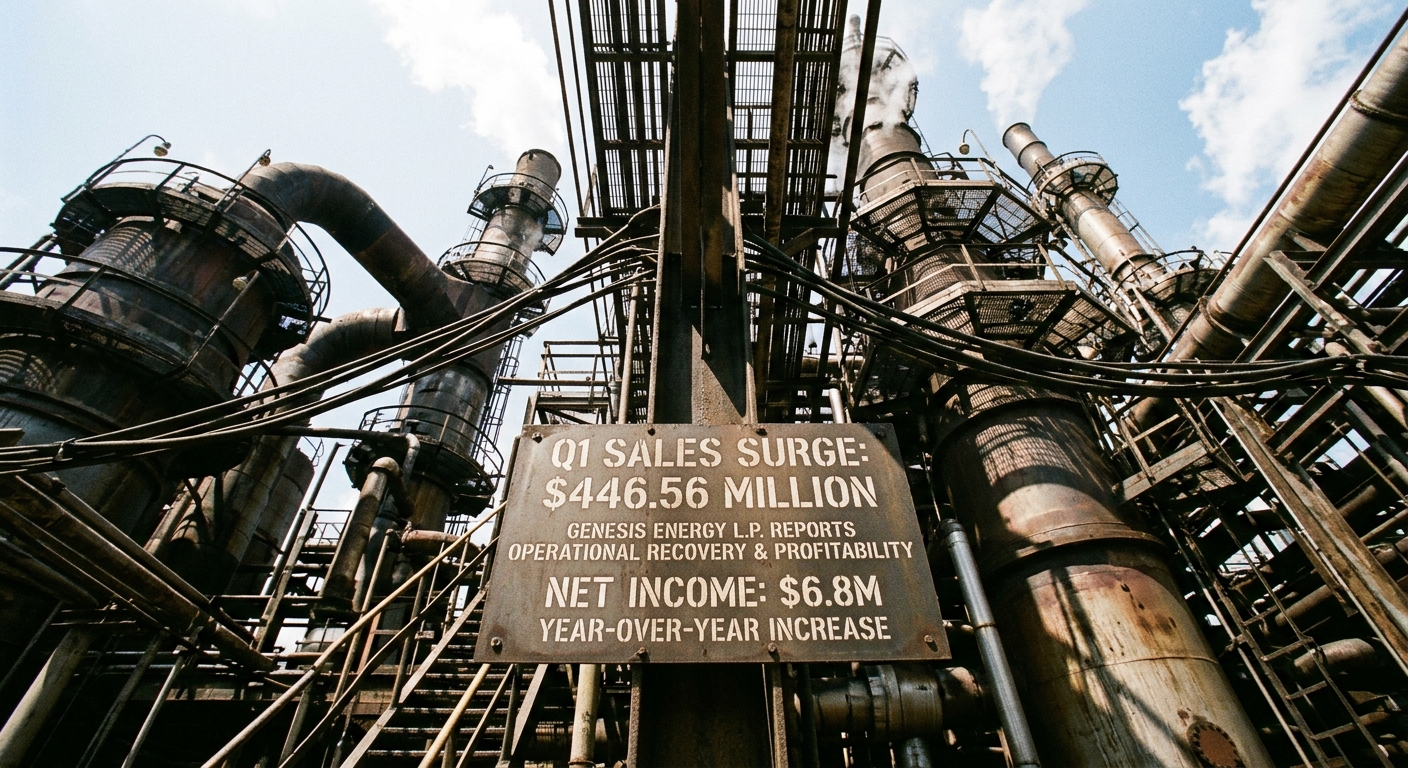
Genesis Energy L.P. Reports Q1 Profitability Surge with $446.56 Million in Sales
Genesis Energy L.P. (Ticker: UNDEFINED) announces its first-quarter financial results, signaling a resurgence in profitability and operational performance. The company reports total sales of $446.56 m…

Nordic American Tankers Finalizes New Leasing Contracts to Strengthen Cash Position and Dividends.
Nordic American Tankers (Ticker: NAT) has recently marked a significant milestone by finalizing multiple new vessel leasing contracts in a favorable tanker market. This strategic move is aimed at rein…