
Southwest Airlines shifts to assigned seating, extra legroom amid operational trade-offs and rising short interest
- Southwest adds assigned seating and extra legroom, abandoning open-boarding to attract leisure and business travelers. • Assigned seating disrupts quick-turnaround operations, testing impacts on boarding, turnaround times, on-time performance, and crew scheduling. • New ancillary seats and advance assignments aim to boost unit revenues, pricing flexibility, and retain passengers from legacy carriers.
Southwest pivots to passenger-first seating and comfort
Southwest Airlines is rolling out traveler-focused initiatives that include extra leg room and the introduction of assigned seats, a move UBS highlights in a recent note. The measures mark a departure from the carrier’s long-standing open-boarding convention and form part of a broader strategy to sharpen its appeal to leisure and business travelers. Company officials frame the shift as a response to evolving passenger expectations and intensified competition across U.S. domestic routes.
The change has operational implications for Southwest’s quick-turnaround model. Assigned seating alters boarding flows and gate procedures, and the airline is testing how the change affects turnaround times, on-time performance and crew scheduling. Executives are balancing the passenger-comfort gains against potential impacts on operational efficiency that have been central to Southwest’s low-cost proposition.
Beyond operations, the initiative aims to unlock new revenue streams and loyalty benefits. Extra-leg-room seats and advance seat assignments are common ancillary products at major rivals, and adopting similar options could improve unit revenues and give Southwest more pricing flexibility. The carrier is also positioning the move as a competitive play to retain passengers who have gravitated toward legacy carriers offering more predictability and segmented seating classes.
Short interest rise adds investor scrutiny
At the same time, short interest in Southwest rises sharply, with 30.75 million shares sold short — about 7.3% of the float — and a 47.18% increase since the prior report. The days-to-cover ratio is roughly 2.57, a metric market participants watch for the potential ease of unwinding bearish positions amid positive operational news or other catalysts.
Sector volatility keeps travel in focus
Analysts say the airline’s operational shifts come as markets digest broad volatility driven by earnings, activist investor actions and consolidation talk across travel and related sectors. That backdrop is prompting rapid re-pricing of expectations and keeps industry developments under close scrutiny by investors and competitors alike.
Related Cashu News

ZTO Express Reports 22% Revenue Growth in Q1 2026, Focuses on Sustainable Development.
ZTO Express (Cayman) is making significant strides in the express delivery sector as the company reports its first-quarter earnings for 2026, showcasing resilience and robust growth. The company annou…

Diana Shipping Engages in Takeover Battle with Genco Shipping Amid Industry Challenges
Diana Shipping Inc. (Ticker: DSX) is currently embroiled in a fierce takeover battle with Genco Shipping and Trading Limited (Ticker: GNK), marking a significant turning point in the competitive lands…
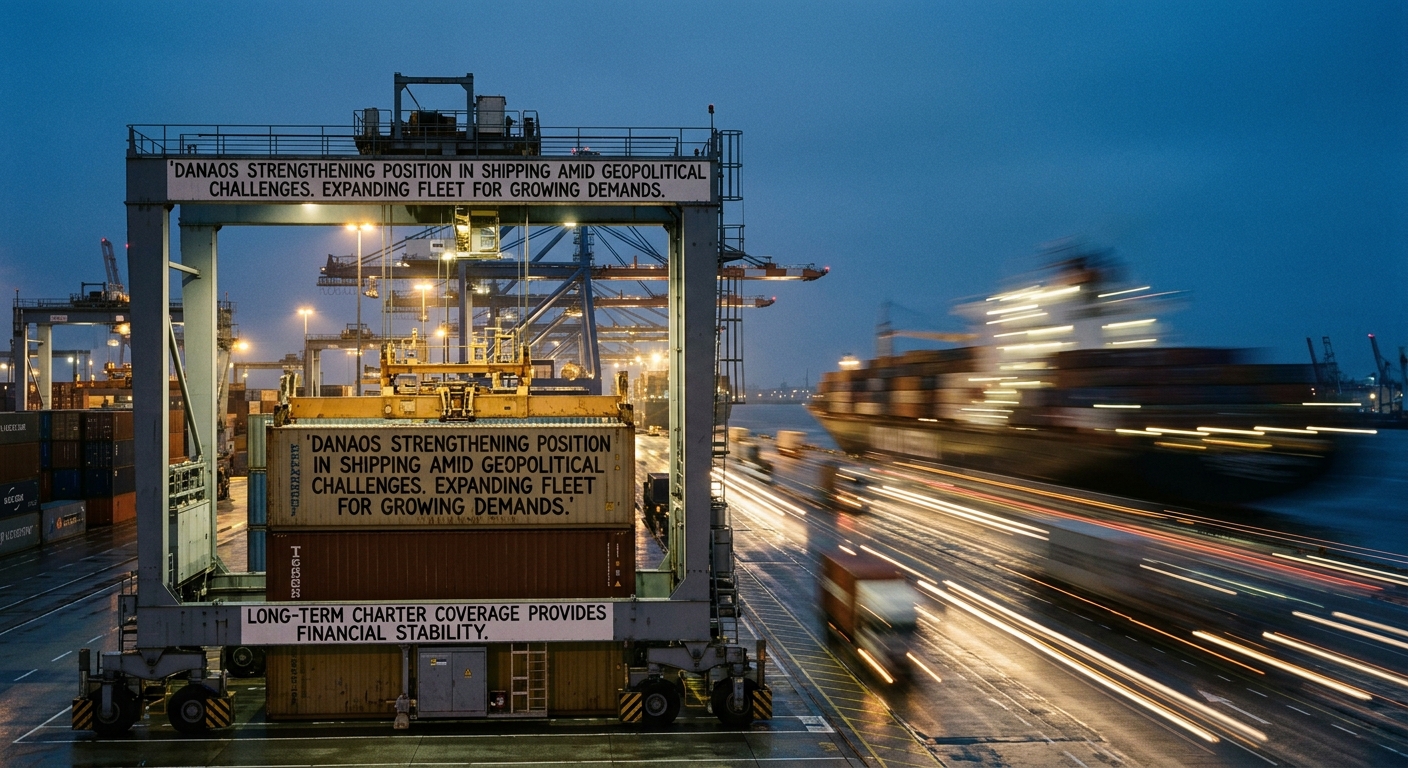
Danaos Corporation Strengthens Position in Shipping Amid Geopolitical Challenges and Expands Fleet
Danaos Corporation (Ticker: DAC) is currently strengthening its position in the shipping industry amidst geopolitical challenges, especially following the closure of the Strait of Hormuz. The company'…

Avis Budget Group Expands Car Sales Program to Massachusetts, Ohio, and Tennessee
Avis Budget Group (Ticker: CAR) recently expands its consumer car sales program into Massachusetts, Ohio, and Tennessee. This strategic move allows the company to offer late-model rental vehicles for…