
Stabilizing Energy Prices Amid Geopolitical Tensions and Market Fluctuations
- Marathon Petroleum is monitoring geopolitical developments, as they impact operations and fluctuating global oil prices.
- Rising crude oil prices are influenced by Middle Eastern production cuts and disruptions in the Strait of Hormuz.
- The U.S. administration’s efforts aim to stabilize energy prices, potentially benefiting companies like Marathon Petroleum.
Stabilizing Energy Prices Amid Geopolitical Tensions
Energy Secretary Chris Wright highlights the potential for decreasing oil and gas prices in the United States, attributing this optimism to ongoing efforts aimed at mitigating Iran's threats to tanker traffic in the strategically vital Strait of Hormuz. This waterway is a crucial corridor, facilitating about 20% of global oil supply and typically accommodating around 100 tankers daily. The backdrop to these developments includes a recent surge in oil prices, with U.S. gas averages surpassing $3.46 per gallon and crude oil prices exceeding $91 per barrel, primarily driven by geopolitical tensions. Wright’s assurances that U.S. efforts to curb Iranian military capabilities, including their missile and drone threats, are paving the way for a potential return to more stable energy prices.
Over the weekend, crude oil prices surged dramatically, surpassing $100 per barrel, driven by production cuts from major Middle Eastern producers and continued disruption in the Strait of Hormuz due to escalating hostilities with Iran. Reportedly, West Texas Intermediate crude increased by nearly 19% to reach $108.15 per barrel, while Brent crude followed suit with an increase of more than 16%. Industry experts, including Moody’s chief economist Mark Zandi, caution that these rising energy prices could amplify inflationary pressures in the economy. In the context of impending midterm elections, President Trump is advocating for lower gas prices as part of his campaign strategy, with his administration positioning itself as taking proactive measures to stabilize the energy market.
Despite current spikes, Secretary Wright expresses confidence in the administration’s efforts, stating that disruptions to tanker traffic are expected to be temporary, lasting "weeks, certainly not months." He alludes to a promising development – a large tanker successfully navigating through the Strait without incident, suggesting that a return to normal shipping operations may soon be feasible. This strategy not only aims to normalize energy prices but also enhances U.S. trade flow and investment, linking geopolitical stability directly to domestic energy stability in the wake of significant market upheaval. As the situation evolves, Marathon Petroleum remains attentive to these developments, understanding the implications for its operations amidst fluctuating global oil prices.
Related Cashu News

Kimbell Royalty Partners LP Acquires $147 Million in Oil and Gas Interests from Mesa Royalties
Kimbell Royalty Partners LP (Ticker: UNDEFINED) announces a major acquisition that significantly enhances its position in the oil and gas mineral and royalty sector. The deal, valued at approximately…
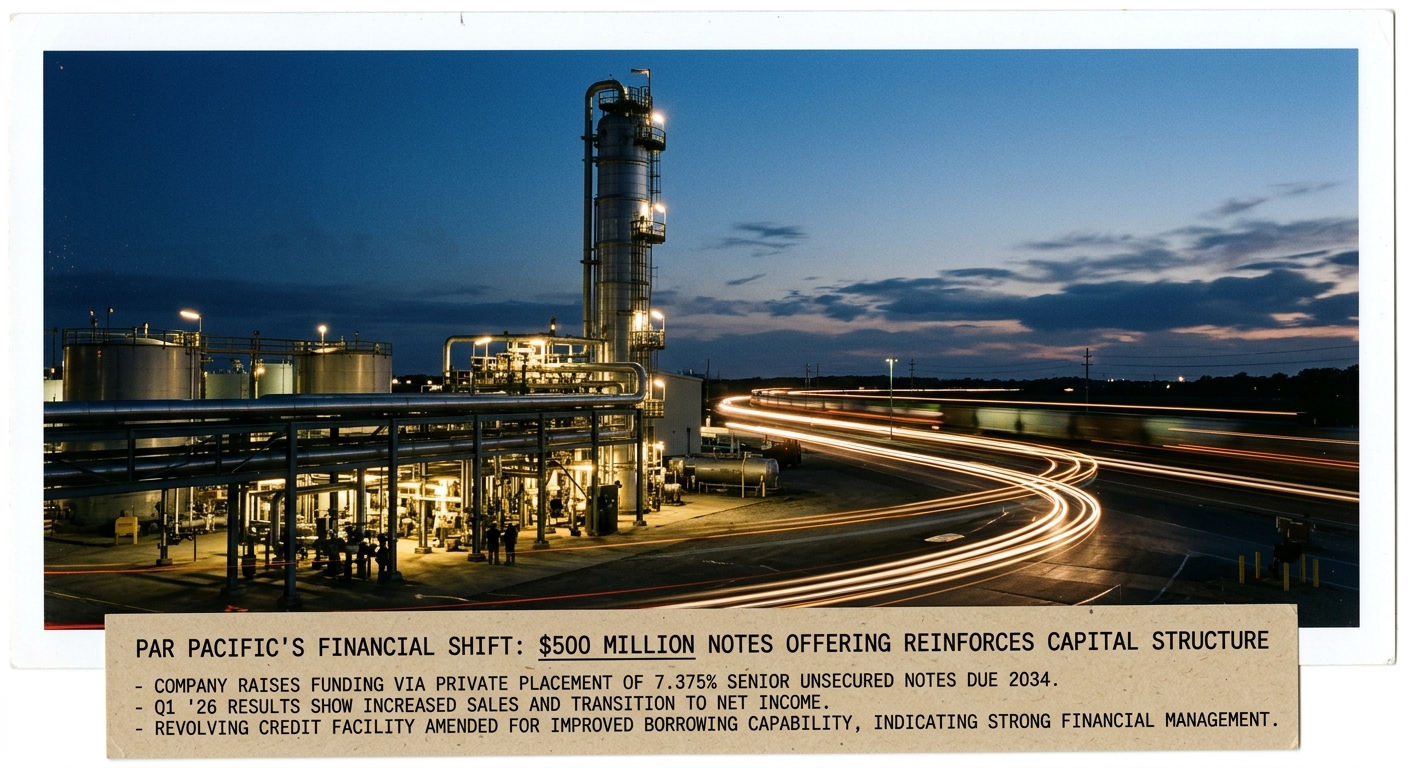
Par Pacific Strengthens Capital Structure with $500 Million Notes Offering and Improved Financial Performance
Par Pacific Holdings, Inc. has recently strengthened its capital structure by completing a $500 million private placement of 7.375% senior unsecured notes, which are set to mature on June 1, 2034. Thi…
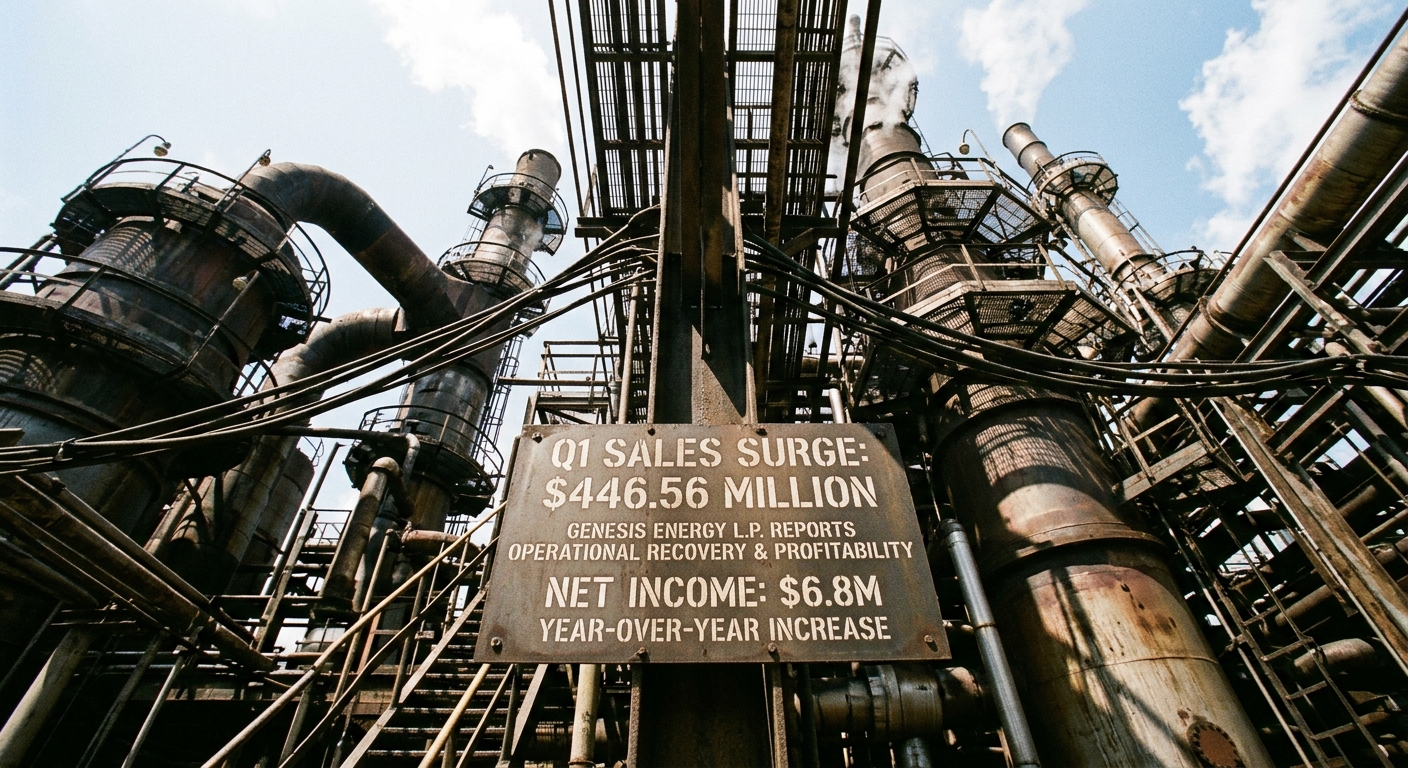
Genesis Energy L.P. Reports Q1 Profitability Surge with $446.56 Million in Sales
Genesis Energy L.P. (Ticker: UNDEFINED) announces its first-quarter financial results, signaling a resurgence in profitability and operational performance. The company reports total sales of $446.56 m…

Nordic American Tankers Finalizes New Leasing Contracts to Strengthen Cash Position and Dividends.
Nordic American Tankers (Ticker: NAT) has recently marked a significant milestone by finalizing multiple new vessel leasing contracts in a favorable tanker market. This strategic move is aimed at rein…