
Stanley Black & Decker Closes Historic Connecticut Factory, Impacting 300 Jobs
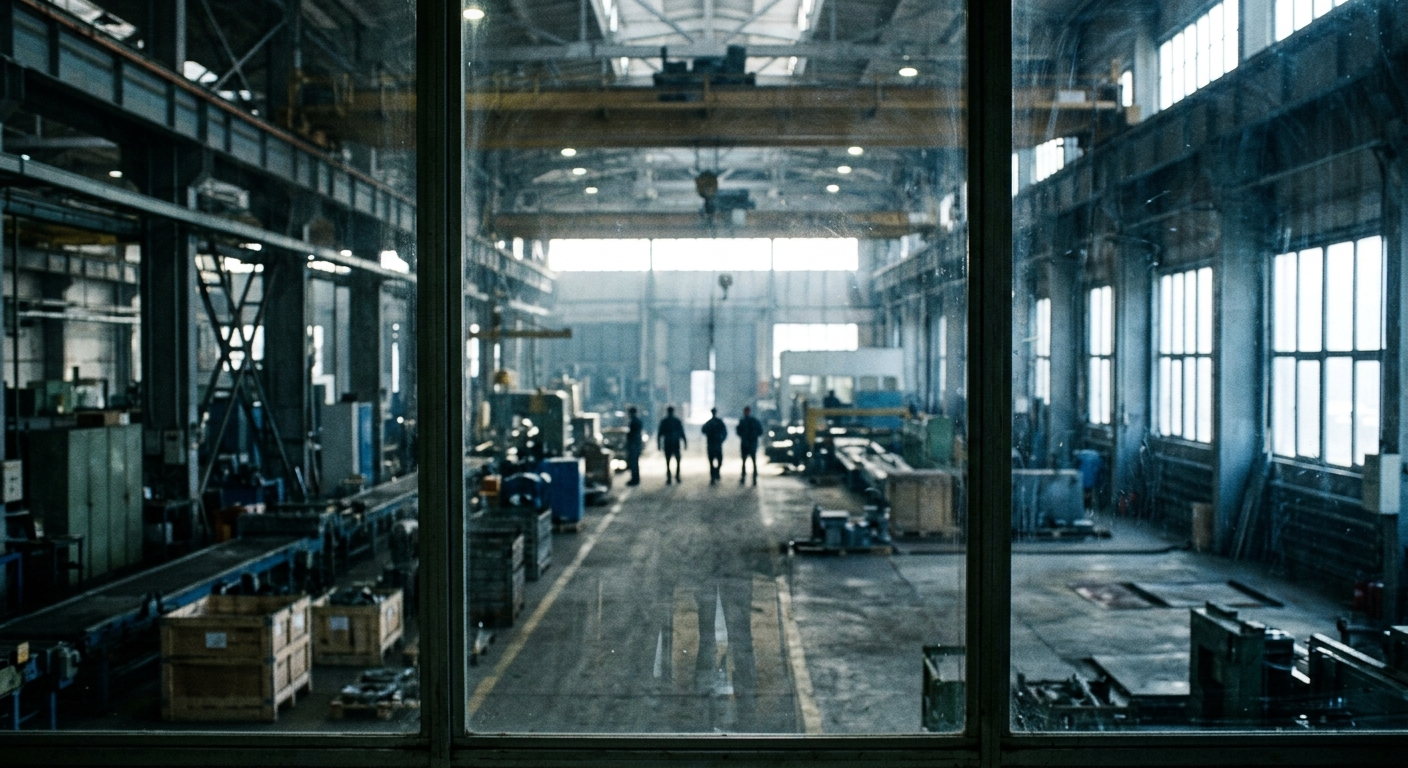
- Stanley Black & Decker is closing its historic factory in Connecticut, impacting approximately 300 jobs.
- The closure signifies a strategic shift in manufacturing operations for cost optimization.
- This decision aligns with current market conditions and trends in the industry.
Stanley Black & Decker has made the significant decision to close its historic factory situated in New Britain, Connecticut. This facility, which has operated since the 1800s, is set to cease production as part of a broader restructuring initiative aimed at optimizing the company's U.S. manufacturing operations. The closure, which impacts approximately 300 employees, coincides with a notable decline in the demand for single-sided tape measures, signalling a shift in consumer preferences that the company must adapt to.
Strategic Restructuring in Response to Market Changes
The decision to shut down the New Britain site illustrates Stanley Black & Decker's commitment to enhancing its operational efficiency. By relocating production to lower-cost areas, the company aims to mitigate rising expenses while responding effectively to changing market dynamics. This restructuring effort not only reflects internal strategies but also highlights external pressures faced by the manufacturing sector as consumer demand and preferences evolve rapidly.
As Stanley Black & Decker navigates these challenges, the closure marks a pivotal moment in the company's history. The transition represents not only a shift in operational strategy, but it also serves as a reminder of the broader economic forces influencing domestic manufacturing. The company's focus on enhancing efficiency could set a precedent for others in the industry grappling with similar pressures.
Impact on Workforce and Community
With approximately 300 employees affected by this closure, the decision creates significant uncertainty for the workforce and the local community. Employees losing their jobs face the challenge of finding new opportunities, potentially in an evolving job market that may not align with their skill sets. As the company shifts its focus towards automation and strategic manufacturing, the implications of these layoffs can extend beyond the factory floor, impacting local economies and communities reliant on these jobs.
Looking Ahead
While the closure is a difficult chapter for those impacted, it represents a larger strategy for Stanley Black & Decker to remain competitive in a fast-evolving market. The company's efforts to optimize manufacturing and reduce costs highlight a trend in the industry where adaptability becomes crucial for survival. As the market continues shifting, how Stanley Black & Decker implements this strategy will be watched closely, not just by investors, but by employees and communities across the region.