
Starbucks Struggles with Turnaround Amid Labor Issues and Downgrades from RBC
- Starbucks faces delays in its recovery due to persistent labor issues and required investments, affecting operational efficiency.
- RBC downgraded Starbucks, highlighting macroeconomic challenges like labor shortages and inflation impacting the restaurant sector.
- Analysts warn prolonged labor tensions may hinder Starbucks's strategic goals and competitive position in the market.
### Starbucks Faces Challenges Amid Turnaround Efforts
Starbucks is currently grappling with significant obstacles as it attempts to implement a successful turnaround strategy. Recently, RBC downgraded the coffee giant from "outperform" to "sector perform" due to persistent labor issues and the need for substantial investments that are delaying its recovery in the U.S. market. Initially optimistic, RBC believed that only minor, temporary expenditures would be necessary to rejuvenate the company's operations in the country. However, the absence of these anticipated investments suggests deeper systemic challenges that are hindering progress.
The downgrading by RBC serves as a sobering reminder of the macroeconomic factors at play, including labor shortages and inflation, which continue to strain the restaurant and hospitality sectors. With increasing demands from workers for better wages and working conditions, Starbucks finds itself navigating a complex employee landscape that may affect its ability to maintain customer loyalty and operational efficiency. As the company focuses on resolving these issues, it faces the looming question of whether its underlying model can adapt in a rapidly changing environment.
To address these challenges, Starbucks emphasizes a commitment to investing in both its workforce and technological infrastructure. However, industry analysts remain cautious, noting that prolonged labor tensions may compromise the company’s ability to execute its strategic goals. The potential for further delays in revamping operations not only affects internal dynamics but also raises concerns about Starbucks’s competitive stance in the broader market.
In a related development, analysts from Wolfe and Truist are making notable adjustments within the energy and financial sectors. Wolfe has upgraded NRG Energy to "outperform," citing its advantageous position as a beneficiary of increased data center demand and its promising free cash flow yield. Meanwhile, Truist upgrades Block to "buy" following a significant workforce reduction, anticipating that lower overhead will enhance capital returns. These adjustments across different industries highlight the importance of adaptability as companies navigate parallel challenges in their respective markets.
Related Cashu News
Icahn Enterprises L.P. Announces Key Leadership Changes for Corporate Stability and Strategy Continuity
Icahn Enterprises L.P. has made significant leadership changes aimed at stabilizing the company's corporate structure during a period of strategic evolution. Ted Papapostolou, a seasoned finance execu…

Thermon Group Holdings' Fiscal Year 2026: Resilience Amidst Revenue Growth and Margin Pressure
Thermon Group Holdings (Ticker: THR) navigates a challenging fiscal landscape as it releases its fiscal year 2026 results, showcasing both significant revenue achievements and persistent pressure on p…
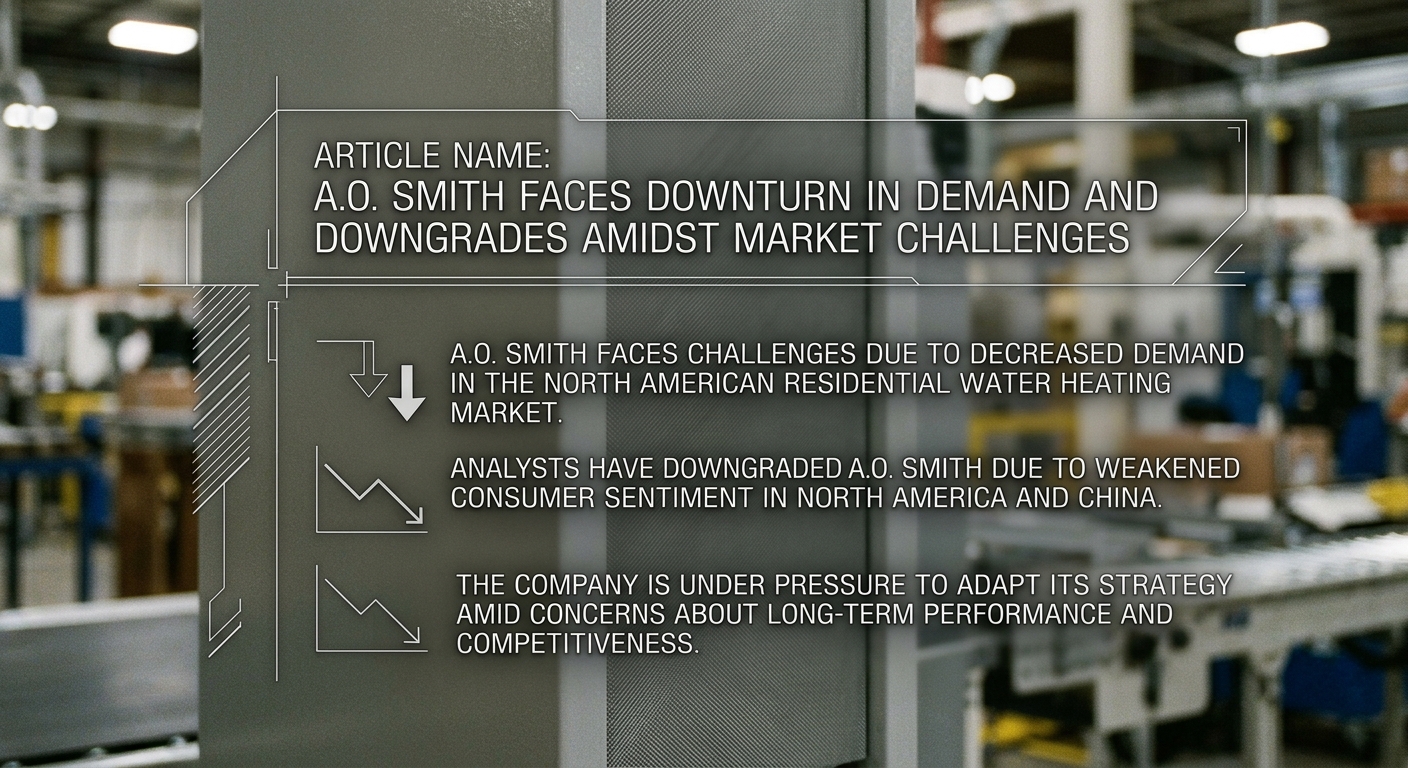
A.O. Smith Faces Downturn in Demand and Downgrades Amidst Market Challenges
A. O. Smith faces significant challenges in the water heating industry as it navigates a downturn in demand, particularly within the North American residential market. Analysts from JPMorgan and DA Da…
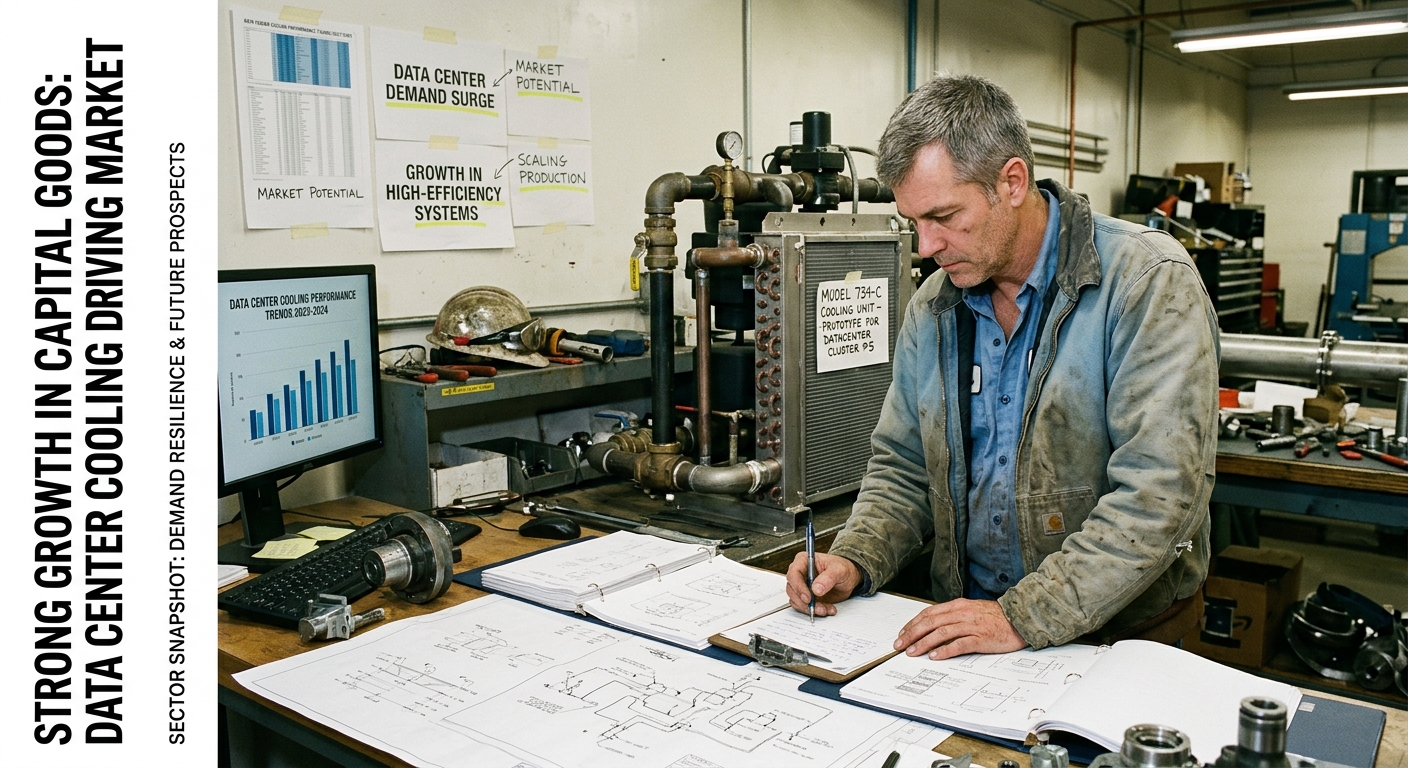
Watts Water Technologies Reports Strong Growth Driven by Data Center Cooling Demand
Watts Water Technologies (Ticker: WTS) has reported impressive first-quarter results for 2026, underscoring its strong position within the water technology industry. The company's sales reached $677.3…