
Supreme Court Ruling Could Cut Imported Parts Costs for AutoZone
- AutoZone expects lower import costs could improve margins and reduce retail prices for DIY customers.
- AutoZone is running parallel sourcing and inventory forecasts to decide whether savings flow to prices, margins, or stocking.
- Store impacts depend on AutoZone’s tariff exposure; private brands may mitigate volatility while it monitors policy risks.
Supreme Court Ruling Recasts Cost Dynamics for Auto Parts Retailers
AutoZone and U.S. Aftermarket See Potential Relief on Imported Components
The U.S. Supreme Court decision striking down a central element of the Trump administration’s tariff program is prompting immediate reassessments at auto parts retailers such as AutoZone, which sources a significant share of replacement parts and accessories from abroad. Retailers expect downward pressure on costs for imported components — from replacement brake parts and electrical modules to aftermarket accessories — if the levies are not reimposed under different authorities. That potential easing could improve margins for national chains and blunt price increases for do-it-yourself customers who traditionally absorb higher retail prices on externally sourced parts.
Procurement and inventory strategies at AutoZone are adapting as buyers and vendor partners model scenarios with and without tariffs. Sourcing teams are running parallel cost forecasts to determine whether savings on imported goods will be passed through to retail pricing, used to rebuild margins, or reinvested in stocking and distribution. The timing of any relief is uneven: prices for finished imported components can fall relatively quickly, but parts embedded in multi-tier supply chains and those tied to long-term contracts may show delayed effects, keeping operational planning cautious.
Store-level impacts hinge on how much of AutoZone’s product mix is exposed to tariff-sensitive imports and on pricing elasticity in the aftermarket. High-turnover, lower-margin items could see price adjustments sooner than complex replacement parts that are subject to manufacturing lead times and certification. AutoZone’s private-label strategy and relationships with North American manufacturers may mitigate some volatility, but national chains are monitoring enforcement timelines, exchange-rate movements and potential retaliatory measures that could reshape expected benefits.
Household Savings Depend on Policy Response
Economists estimate large potential consumer relief if tariffs are not replaced: the Tax Foundation earlier calculated tariffs cost each U.S. household about $1,000 in 2025 and $1,300 in 2026, while the Yale Budget Lab says consumer burdens could fall roughly half in 2026 to about $600–$800. The Tax Policy Center estimates a roughly $1.4 trillion tax cut for households over ten years, saving families an average of about $1,200 in 2026 — all contingent on the administration opting not to impose replacement levies.
Supply-Chain and Trade Retaliation Remain Wildcards
Officials signal the administration may seek replacement tariffs under other statutes, so much of the relief for retailers and consumers is uncertain. Economists warn that supply-chain complexity, enforcement timelines, exchange rates and potential foreign retaliation could limit or delay price reductions for imported auto parts, keeping suppliers and retailers on alert.
Related Cashu News

JD.com and Mastercard Collaborate on Advanced Cross-Border Payments and AI Commerce Solutions.
JD.com Inc (Ticker: UNDEFINED), a leading player in the Chinese e-commerce market, forges a pivotal partnership with Mastercard aimed at transforming the global payment infrastructure. This collaborat…

RH Milan Launches: Expanding European Presence with Immersive Lifestyle Experience
RH (Ticker: UNDEFINED) takes a significant step forward with the opening of RH Milan, The Gallery, marking its bold entry into the European market. This new, expansive venue spans seven levels and sho…
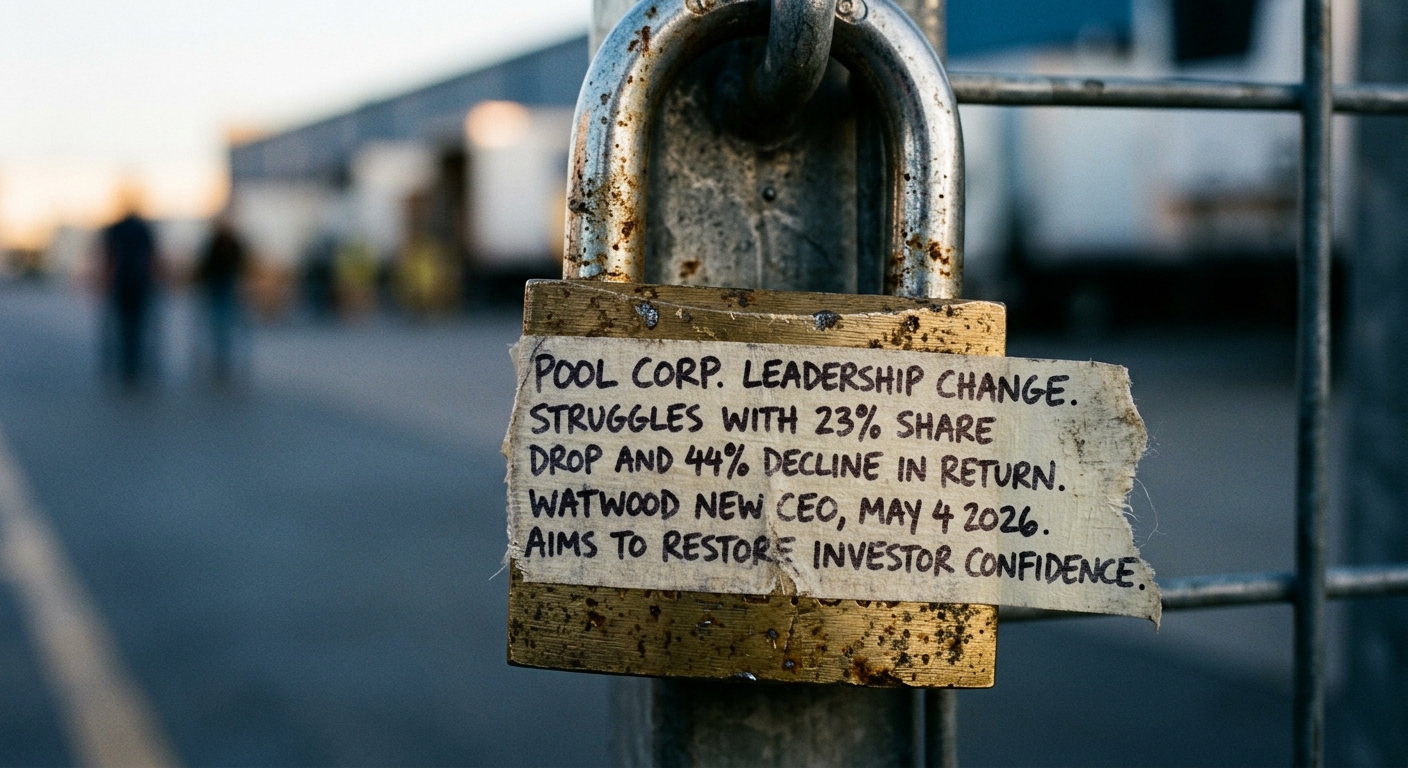
Pool Corporation Announces Leadership Change Amid Significant Shareholder Performance Challenges
Pool Corporation, facing significant challenges in shareholder performance, prepares for a pivotal leadership change as John B. Watwood is announced as the new President and CEO effective May 4, 2026.…
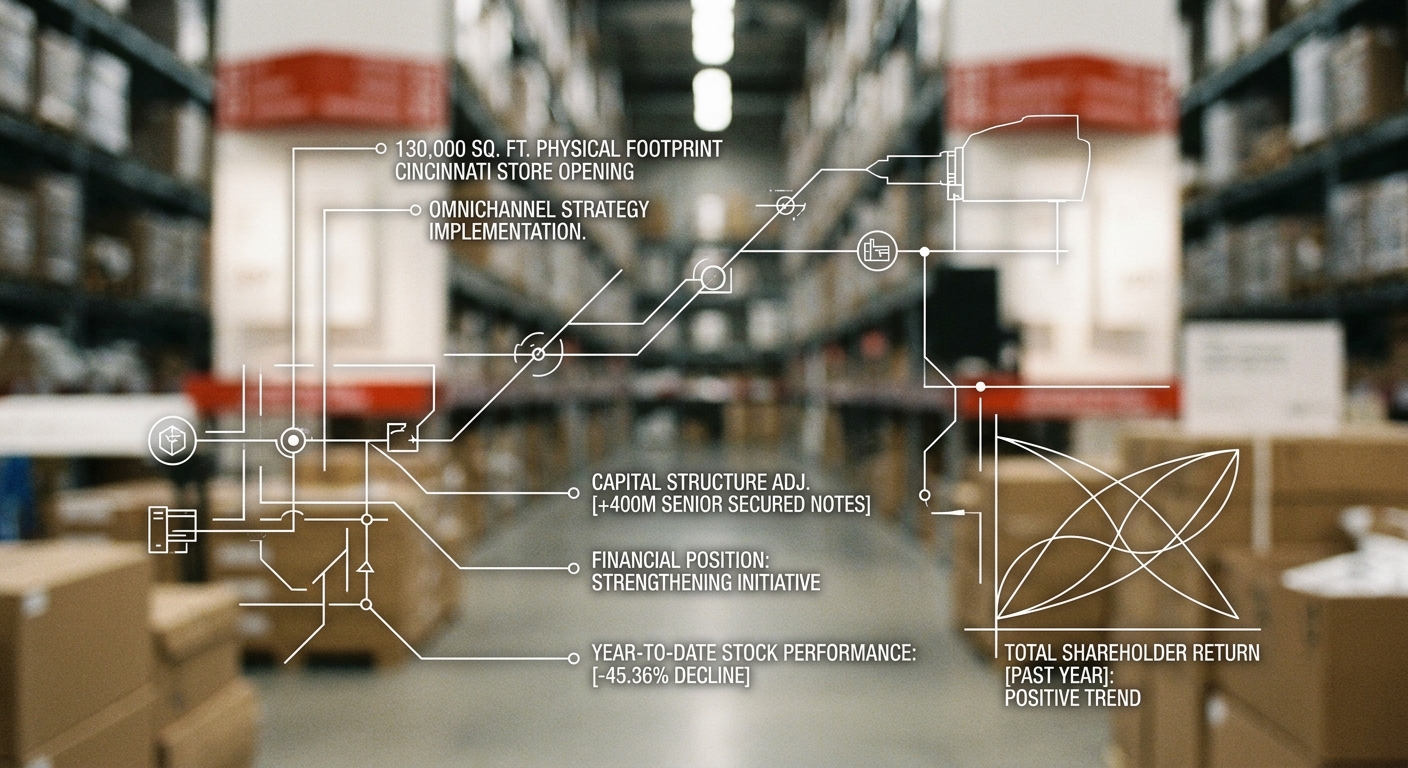
Wayfair Opens Flagship Store in Cincinnati Amid Financial Strategies and Stock Decline
Wayfair Inc. (Ticker: W) has recently announced the opening of a new flagship store in Cincinnati, spanning 130,000 square feet, signaling its commitment to enhancing its omnichannel retail strategy.…