
Supreme Court tariff ruling eases costs for Nike (NKE), but U.S. 10% tariff adds uncertainty
- Supreme Court tariff ruling eases major cost pressure for Nike, but relief may be temporary due to possible replacement tariffs. • Nike is carrying about a $1.5 billion tariff headwind this fiscal year. • Ex-Nike exec Daniel Heaf joins Bath & Body Works, applying Nike supply-chain and marketplace lessons.
Nike and the apparel sector face shifting tariff landscape
The U.S. Supreme Court is striking down a central element of President Donald Trump’s emergency tariff program, a decision that is easing a major cost pressure for global apparel makers such as Nike. The court’s ruling removes a component of import duties that had added to input costs across clothing and footwear supply chains; Nike is already carrying about a $1.5 billion tariff headwind this fiscal year, a figure the company built into planning and pricing. With the ruling, companies that rely on imported finished goods and materials are reassessing sourcing, pricing and inventory strategies as the immediate extra duty burden recedes.
Industry executives and economists caution, however, that the relief for Nike and peers is conditional. The White House quickly signals alternative actions — the administration announces a 10% global tariff under Section 122 that lasts 150 days without congressional approval and retains other authorities — leaving uncertainty about whether new levies will replace the invalidated measures. Analysts note the timing and scope of any consumer-price relief depend on whether replacement tariffs are imposed, how supply chains adjust, and potential retaliatory measures from trading partners that could reshape costs for apparel, sneakers and accessories.
Broader macro implications influence Nike’s operational choices. Economists say tariffs had contributed roughly 0.5 percentage point to inflation, and removing them reduces a temporary price headwind that could factor into U.S. central bank decisions and consumer demand for discretionary goods like athletic apparel. Some models project substantial household savings if tariffs are not replaced, but the apparel sector monitors policy moves closely: a short-lived import surge ahead of tariff changes can distort inventories and production plans, while logistics partners and distribution networks must adapt to shifting cost and timing assumptions.
From Nike to Bath & Body Works: executive moves reshape retail strategies
Daniel Heaf, who joins Bath & Body Works after leaving Nike in May, is framing an Amazon storefront launch as part of a broader “consumer‑first” growth plan, underscoring how talent flows from major apparel and footwear players into broader retail strategy roles. His move highlights how industry executives are applying supply‑chain and marketplace lessons from global brands to omnichannel expansion and logistics partnerships.
Brands are increasingly treating Amazon as a logistics and distribution ally rather than only a retailer, reclaiming control over pricing and merchandising while using Prime‑eligible listings to reach lapsed or new customers. This trend — mirrored by Gap, J.Crew and others — signals a shift in how vertically integrated apparel and lifestyle companies balance direct channels, wholesale partners and marketplace reach.
Related Cashu News

Toll Brothers Names Seth J. Ring President Amid Housing Market Challenges
Toll Brothers, a prominent luxury homebuilder based in the United States, has announced a significant leadership change with the appointment of Seth J. Ring as the new President and Chief Operating Of…

KB Home Expands with New ENERGY STAR® Communities Focused on Efficiency and Personalization
KB Home (Ticker: UNDEFINED) has made significant strides in its commitment to sustainability by expanding its portfolio with several new ENERGY STAR®-designated communities across the United States. T…

Garmin Launches Forerunner 70 and 170 Smartwatches for Serious Runners
Garmin Ltd (Ticker: UNDEFINED) is expanding its product offerings with the launch of its latest smartwatches— the Forerunner 70 and Forerunner 170. Designed with running enthusiasts in mind, these dev…
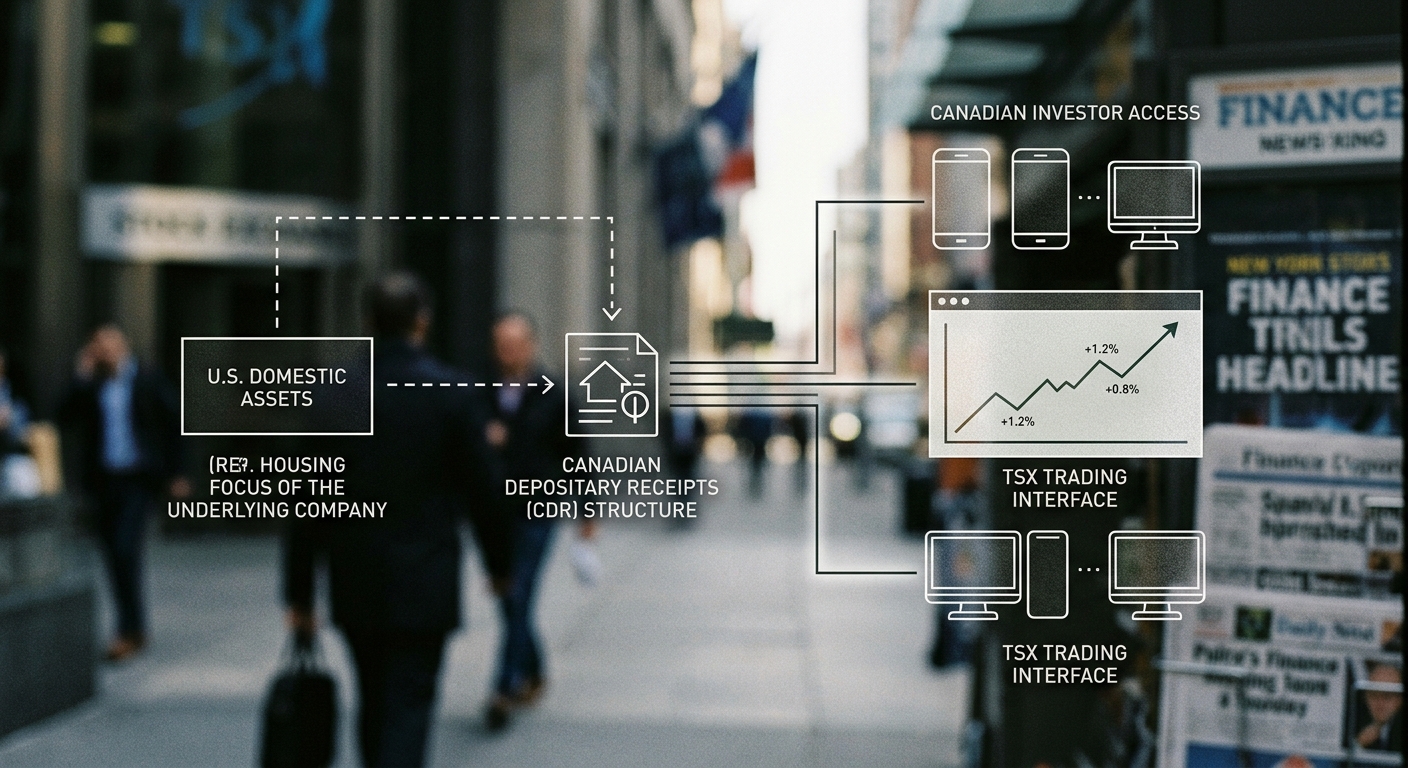
D.R. Horton Launches Canadian Depositary Receipts on TSX for Enhanced Investor Access
D.R. Horton (Ticker: UNDEFINED), a leading homebuilder in the United States, makes a significant expansion move by introducing Canadian Depositary Receipts (CDRs) on the Toronto Stock Exchange (TSX).…