
Supreme Court's Ruling on Eli Lilly's Medicaid Case Highlights Industry Compliance Risks
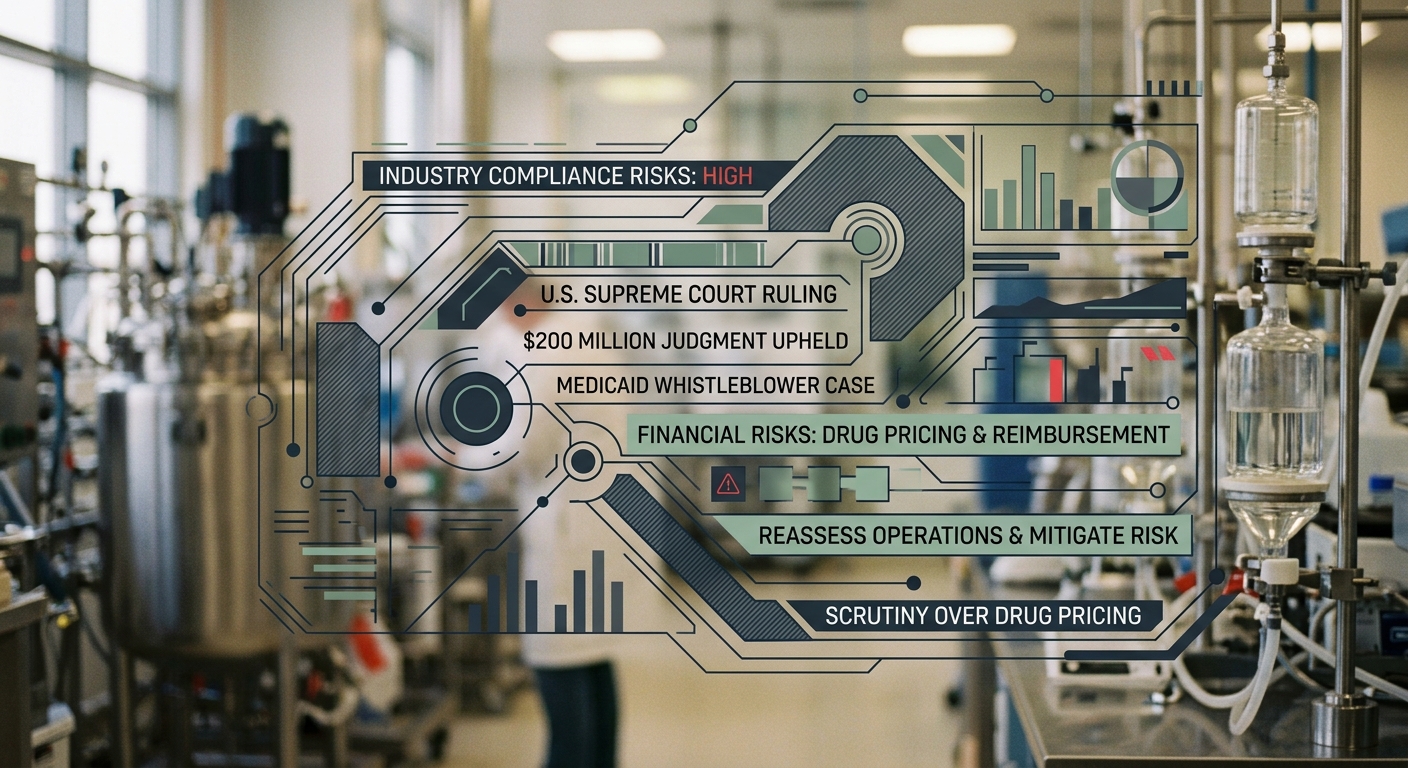
- The U.S. Supreme Court upheld a nearly $200 million judgment against Eli Lilly in a Medicaid whistleblower case.
- This ruling emphasizes the financial risks Eli Lilly faces concerning drug pricing and compliance with reimbursement rules.
- Eli Lilly must reassess its operations to mitigate risks amid increasing scrutiny over drug pricing and Medicaid practices.
Eli Lilly and Company (LLY) faces a significant financial challenge following the U.S. Supreme Court's decision to reject its appeal in a notable Medicaid whistleblower case. This ruling maintains a substantial judgment against the company, amounting to almost $200 million, which relates to allegations of underpayment regarding Medicaid rebates. As Eli Lilly navigates the complex landscape of drug pricing and regulatory compliance, this ruling highlights the ongoing scrutiny that pharmaceutical companies encounter within the U.S. healthcare system.
Continuing pressures from both public and private sectors mean that Eli Lilly, along with other pharmaceutical firms, must be vigilant in assessing their compliance procedures. The implications of this court ruling serve as a wake-up call, emphasizing the necessity for companies to avoid potential liabilities associated with Medicaid compliance and whistleblower claims. This decision underscores a broader trend toward increased regulatory scrutiny, which poses significant risks to the pharmaceutical industry.
Eli Lilly Grappels with Regulatory Challenges
The resolution to this case comes amidst growing concern over drug pricing transparency and compliance within the pharmaceutical sector. As U.S. regulatory bodies intensify their efforts to ensure adherence to pricing strategies and rebate structures, Eli Lilly's business operations are at risk of financial strain. Companies are compelled to reevaluate their business practices to mitigate the repercussions of such legal decisions.
Implications for Future Operations
Lilly's current predicament may prompt a reevaluation of its strategies, focusing on the compliance dimensions of its operational framework. Enhanced scrutiny from regulatory bodies indicates a trend that requires firms like Eli Lilly to implement more rigorous internal controls and compliance measures to safeguard against similar challenges in the future. The industry outlook emphasizes the importance of robust regulatory adherence in maintaining organizational integrity and financial stability.
Related Cashu News

Agios Pharmaceuticals Seeks Accelerated FDA Approval for Mitapivat in Sickle Cell Disease Treatment
Agios Pharmaceuticals (Ticker: AGIO) is making significant strides in advancing its drug mitapivat, marketed as AQVESME, for treating rare hematologic diseases. The company recently submitted a supple…

Bristol Myers Squibb Partners with Anthropic to Enhance Operations Using AI Technology
Bristol Myers Squibb Company (Ticker: UNDEFINED) partners with Anthropic to enhance its operational efficiency using advanced AI technology. This collaboration marks a significant milestone as it empl…
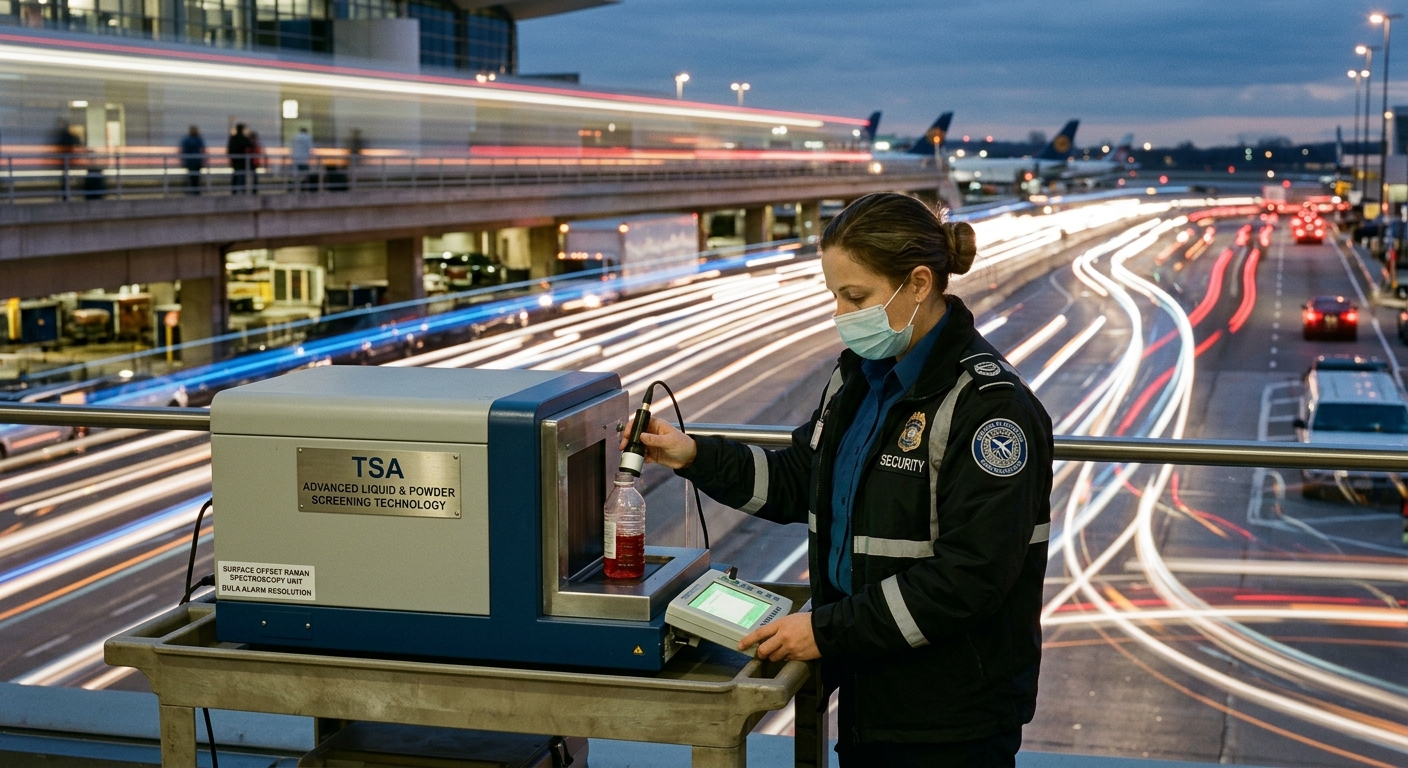
Agilent Technologies Wins TSA Contract for Advanced Airport Screening Technology During FIFA World Cup
Agilent Technologies Inc. (Ticker: UNDEFINED) has recently secured a pivotal contract with the U.S. Transportation Security Administration (TSA) that positions the company at the forefront of airport…
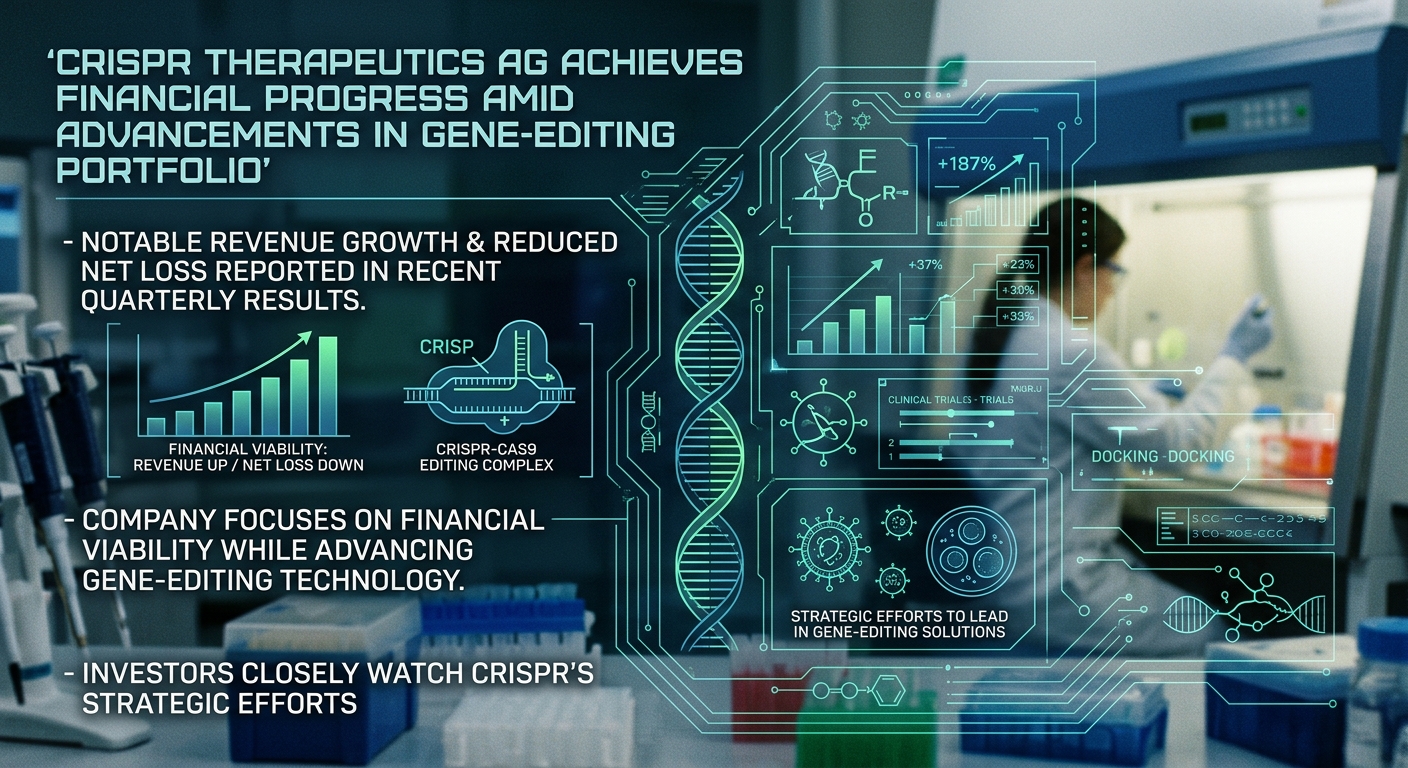
CRISPR Therapeutics AG Achieves Financial Progress Amid Advancements in Gene-Editing Portfolio
CRISPR Therapeutics AG (Ticker: UNDEFINED) showcases a pivotal moment in its financial journey with the release of its results for the first quarter of 2026. Highlighting a revenue of $1.46 million, t…