
Tariff Rollback Threatens U.S. Steel Prices, Pressures Nucor
- Tariff rollback reports pressure U.S. steel producers like Nucor, threatening near-term pricing power.
- Nucor is reassessing scrap procurement, product mix and commercial strategy if tariffs change.
- Nucor watches trade policy and demand, preparing for price competition, capacity moves or M&A.
Tariff rollback report pressures U.S. steel sector
The Financial Times reports U.S. President Donald Trump plans to scale back tariffs on steel and aluminum, a development that is reverberating through global metal markets and weighing on U.S. producers such as Nucor. Futures for aluminum and front‑month steel are easing in London and New York after the report, underscoring how policy signals can quickly alter price expectations for raw materials and finished metal. For a company that relies on relatively protected domestic markets and trade measures to sustain higher steel pricing, the prospect of reduced tariffs raises questions about near‑term demand dynamics and pricing power.
Industry analysts say a rollback could increase import competition and temper domestic mill margins, particularly for commodity steel products where price competition is fiercest. Nucor, which operates a mix of mini‑mill and specialty production, is likely assessing how any change in tariff policy alters its procurement of scrap, its product mix and commercial strategy. While lower import barriers may reduce costs for downstream users and boost short‑term volume, they also risk compressing spreads between domestic and foreign steel and weakening manufacturers’ leverage to pass through higher costs.
The reported policy shift arrives amid subdued commodity moves and thin liquidity, conditions that market participants warn could magnify reactions to incoming data or corporate guidance. For Nucor and peers, the combination of potential tariff changes and modest commodity price movements means companies are watching both trade policy and near‑term demand indicators closely while preparing for a range of scenarios, from renewed price competition to opportunistic capacity deployment or M&A activity should market structure shift.
Wider market jitters and policy calendar
Separately, AI‑related volatility is rippling through equities and investor sentiment, hitting sectors tied to construction and logistics that drive industrial demand. Such sentiment shifts can influence short‑term steel consumption patterns as firms delay capital spending or inventory decisions.
International political risks and economic data are also in focus: officials convene in Munich for the security conference, and U.S. inflation figures are due from the Bureau of Labor Statistics, both of which could sway macro expectations and, indirectly, steel demand and pricing.
Related Cashu News
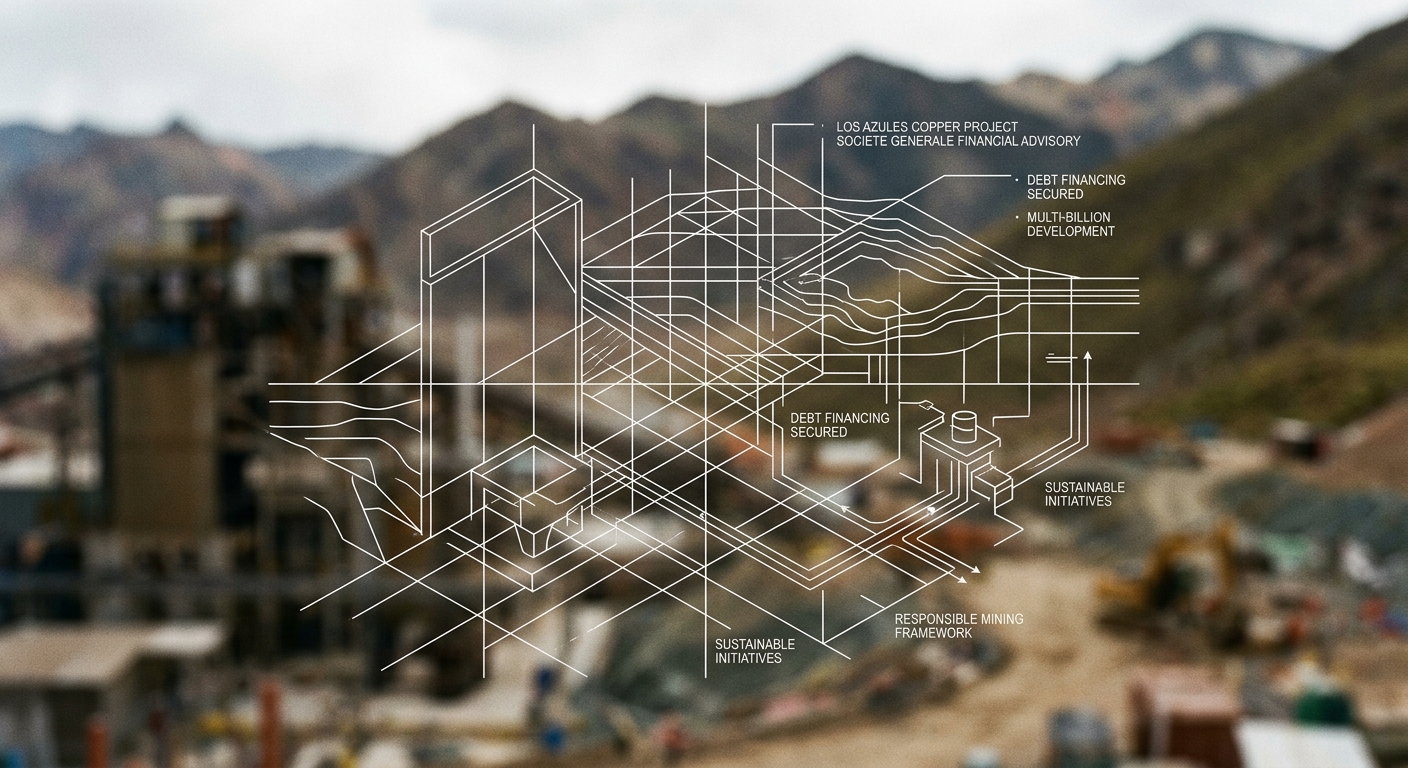
McEwen Mining Advances Los Azules Copper Project with Societe Generale's Financial Support
McEwen Mining has made a significant advancement in its copper mining ambitions by securing Societe Generale as the sole financial advisor for the Los Azules copper project in Argentina. With this str…
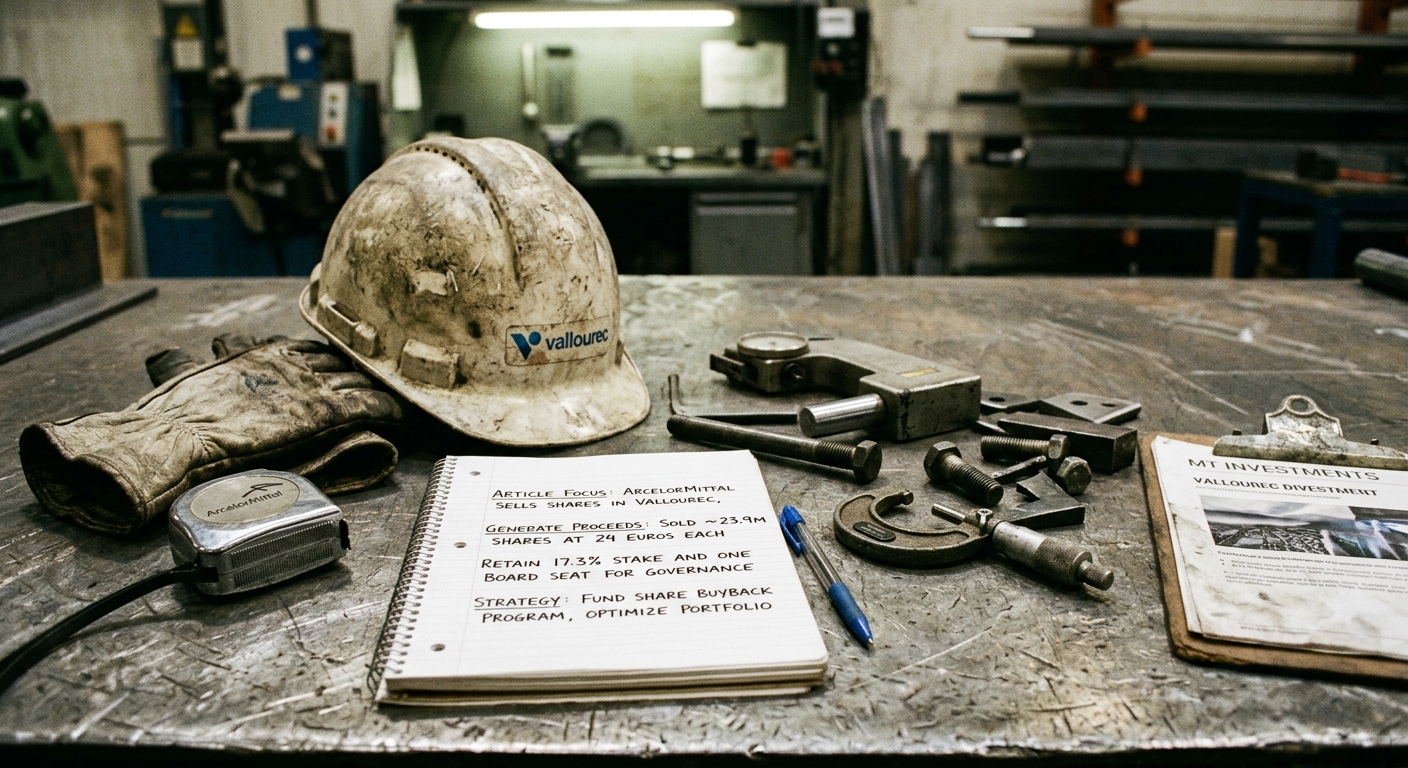
ArcelorMittal Sells Shares in Vallourec to Fund Share Buyback While Retaining Board Influence
In a strategic move, ArcelorMittal (Ticker: UNDEFINED), a leading global steel and mining company, has successfully sold approximately 23.9 million shares of Vallourec at a price of 24 euros per share…
Agnico Eagle Mines Announces Positive Investment Decision for Hope Bay Project in Nunavut
Agnico Eagle Mines Limited (Ticker: UNDEFINED) announces a positive investment decision for its Hope Bay project, reflecting its commitment to economic development in Northern Canada. The company's re…
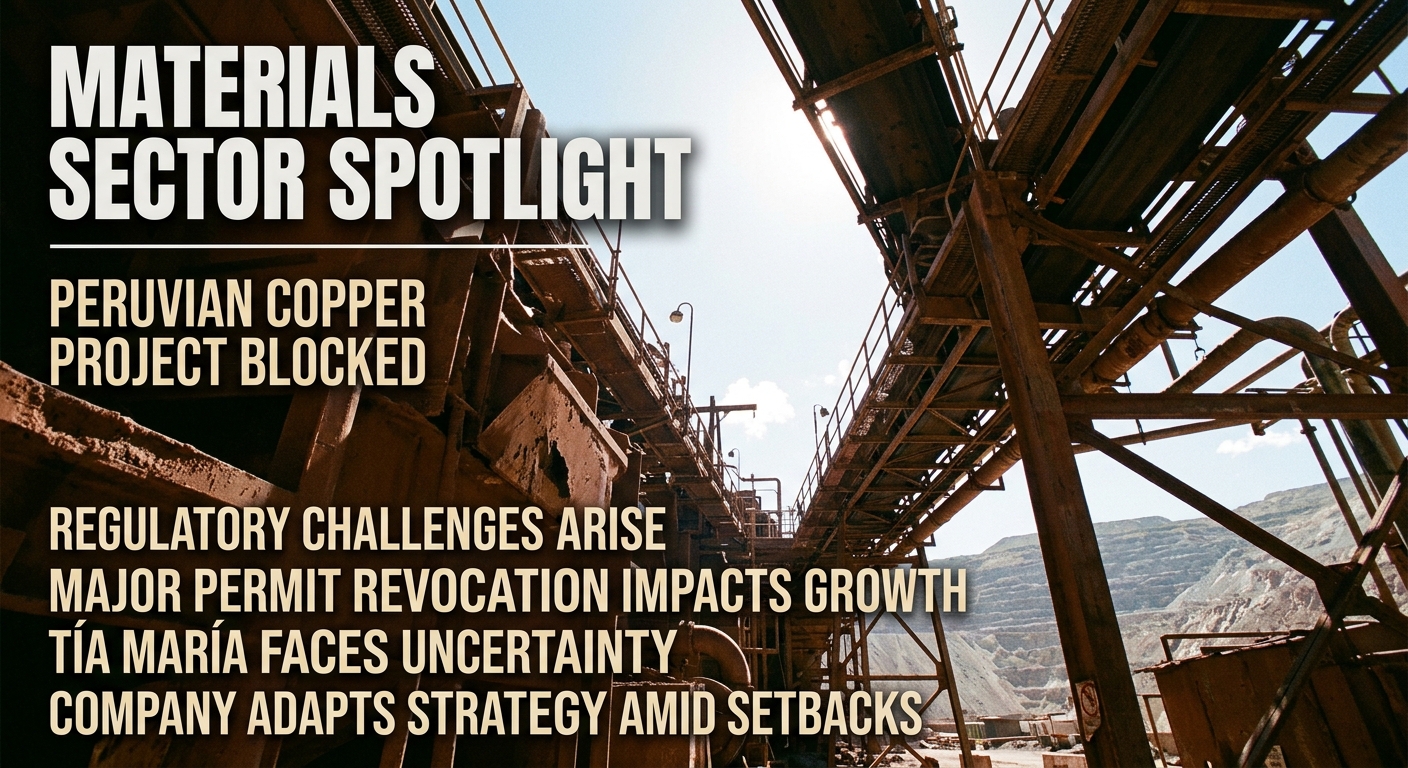
Southern Copper Faces Regulatory Challenges After Tía María Permit Revocation in Peru
Southern Copper Corporation (Ticker: SCCO) faces significant regulatory challenges following the recent revocation of its construction permit for the Tía María project in Peru. This decision marks a c…