
Telecom dividends and M&A alter exchangeable debentures, impacting Lumen Technologies
- Dividend flows and M&A alter exchangeable-debt cash flows, impacting Lumen Technologies' financing.
- Lumen must factor peer dividends and merger outcomes into hybrid-liability management and refinancing.
- Industry capital-market shifts change financing costs and debt-instrument attractiveness for Lumen's fiber and edge investments.
Telecom dividend flows and M&A are altering the cash flows of exchangeable debt instruments, a development that matters to Lumen Technologies and other carriers navigating a capital-intensive sector. QVC Group’s Liberty Interactive LLC makes semi‑annual payments on 3.75% Senior Exchangeable Debentures tied to T‑Mobile US shares, and the mechanics of those payments illustrate how dividends and past telecom mergers continue to reshape the adjusted principal outstanding on such securities. For network operators like Lumen, which manage heavy infrastructure spending and active balance-sheet strategies, these market structures highlight how corporate actions in peer companies can cascade through credit instruments that circulate in the telecom industry.
The exchangeable debenture framework in question adjusts the “original principal” by Extraordinary Additional Distributions triggered by material corporate events, then reduces the adjusted principal on subsequent interest dates so that semi‑annual interest reflects an annualized yield of 3.75% on the adjusted figure. That linkage means recurring dividends from major wireless carriers—T‑Mobile in this case—translate into Regular Additional Distributions to debtholders and change the amortization profile of the debt. For telecom firms such as Lumen that issue or hold hybrid instruments, these precedents underline the need to factor peer dividend policy and merger outcomes into liability management and refinancing plans.
These dynamics also emphasise interdependence across the telecom ecosystem: M&A activity (for example, the Sprint Nextel/SoftBank transaction) and ongoing dividend policies from dominant wireless providers can create one-off and recurring cash transfers to holders of exchangeable instruments, altering funding flows without changing coupon rates. For Lumen, which competes for capital while pursuing fiber and edge investments, such industry-wide capital-market adjustments affect the cost and structure of available financing and the relative attractiveness of different debt instruments.
Payment details and mechanics
Liberty Interactive notifies holders that for the Feb. 15, 2026 payment the beginning adjusted principal per $1,000 original principal is $927.9612. The total distribution equals $18.75, allocated as $17.3993 interest and $1.3507 additional principal repayment, yielding an ending adjusted principal of $926.6105. The fixed dollar semi‑annual interest remains unchanged even as adjusted principal moves.
Background and triggers
LI LLC attributes the $0.4596 Regular Additional Distribution to T‑Mobile ordinary dividends of $0.88 per share on Aug. 29, 2025 and $1.02 on Nov. 26, 2025. The only prior Extraordinary Additional Distribution occurred on Aug. 7, 2013 in connection with the Sprint Nextel/SoftBank merger, demonstrating how past telecom consolidation continues to affect present debt amortization.
Related Cashu News
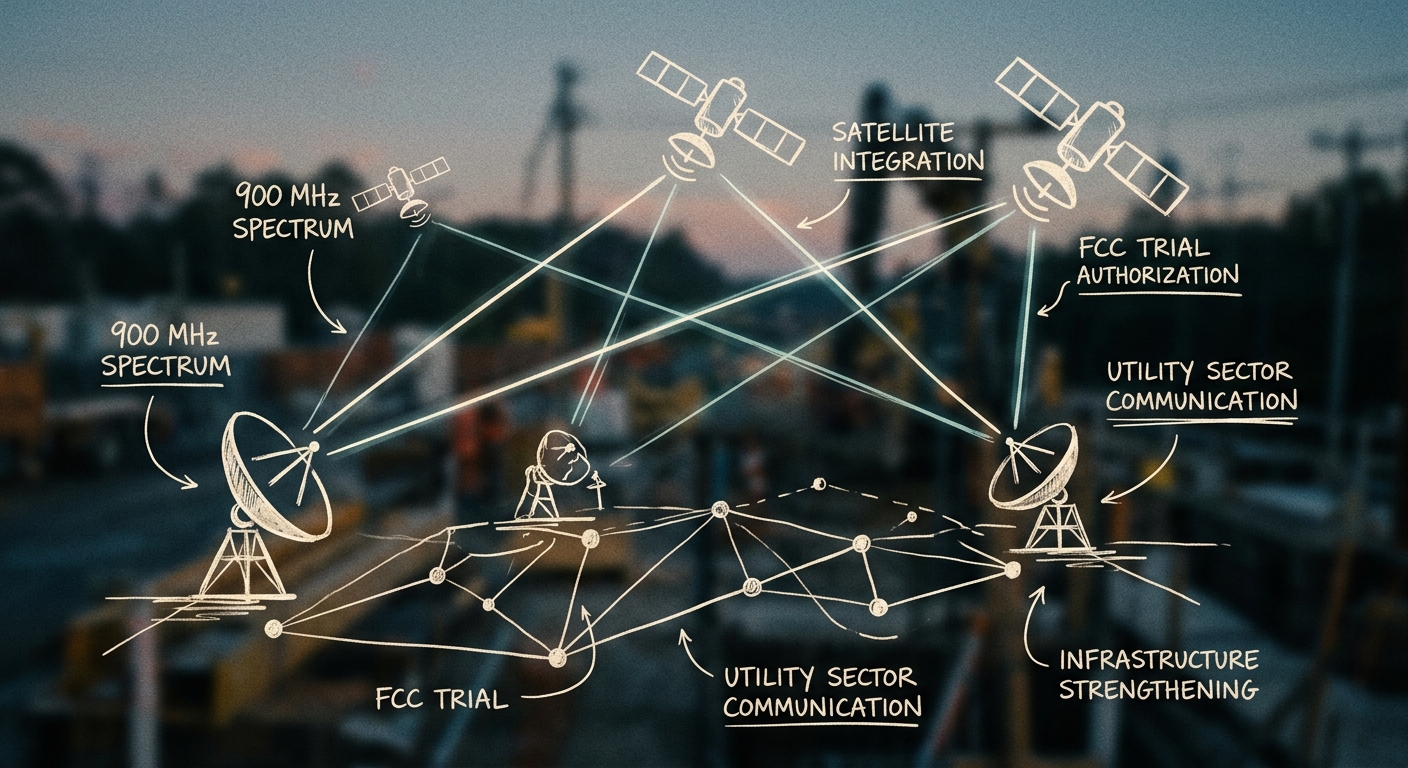
Anterix Advances Communication with FCC Approvals for Satellite and 900 MHz Spectrum Integration
Anterix Inc. (Ticker: ATEX) is enhancing its communication capabilities through recent regulatory approvals and strategic initiatives focused on expanding its spectrum technology. The Federal Communic…
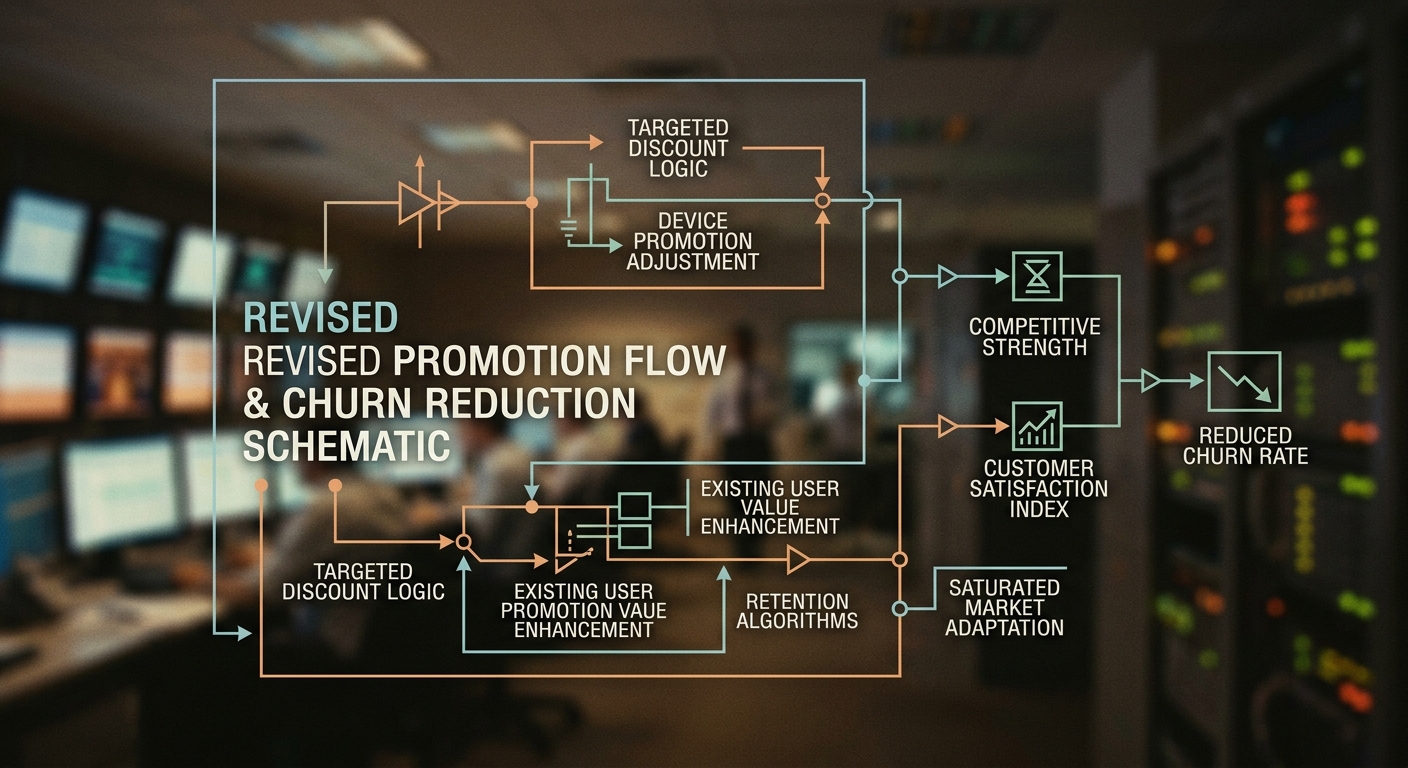
T-Mobile US Adapts Strategies to Enhance Customer Retention Amid Rising Churn Rates
T-Mobile US (Ticker: TMUS) recently adapts its discount and device promotion strategies to counteract customer dissatisfaction and rising churn rates. This significant turnaround stems from a growing…

Lumen Technologies Plans NorthLine Fiber Route to Boost Low-Latency Data Services by 2026
Lumen Technologies (Ticker: UNDEFINED) announces its ambitious plans to develop a new low-latency fiber route called NorthLine, connecting Seattle and Minneapolis by the end of 2026. This strategic in…

Verizon Joins AT&T and T-Mobile to Enhance U.S. Wireless Connectivity and Address Dead Zones
Verizon Communications (Ticker: VZ) takes a significant step in enhancing wireless connectivity across the United States by joining forces with AT&T and T-Mobile. This joint venture aims to tackle the…