
Teva Pharmaceutical Industries Achieves FDA Approval for Prolia Biosimilar, Strengthening Market Position
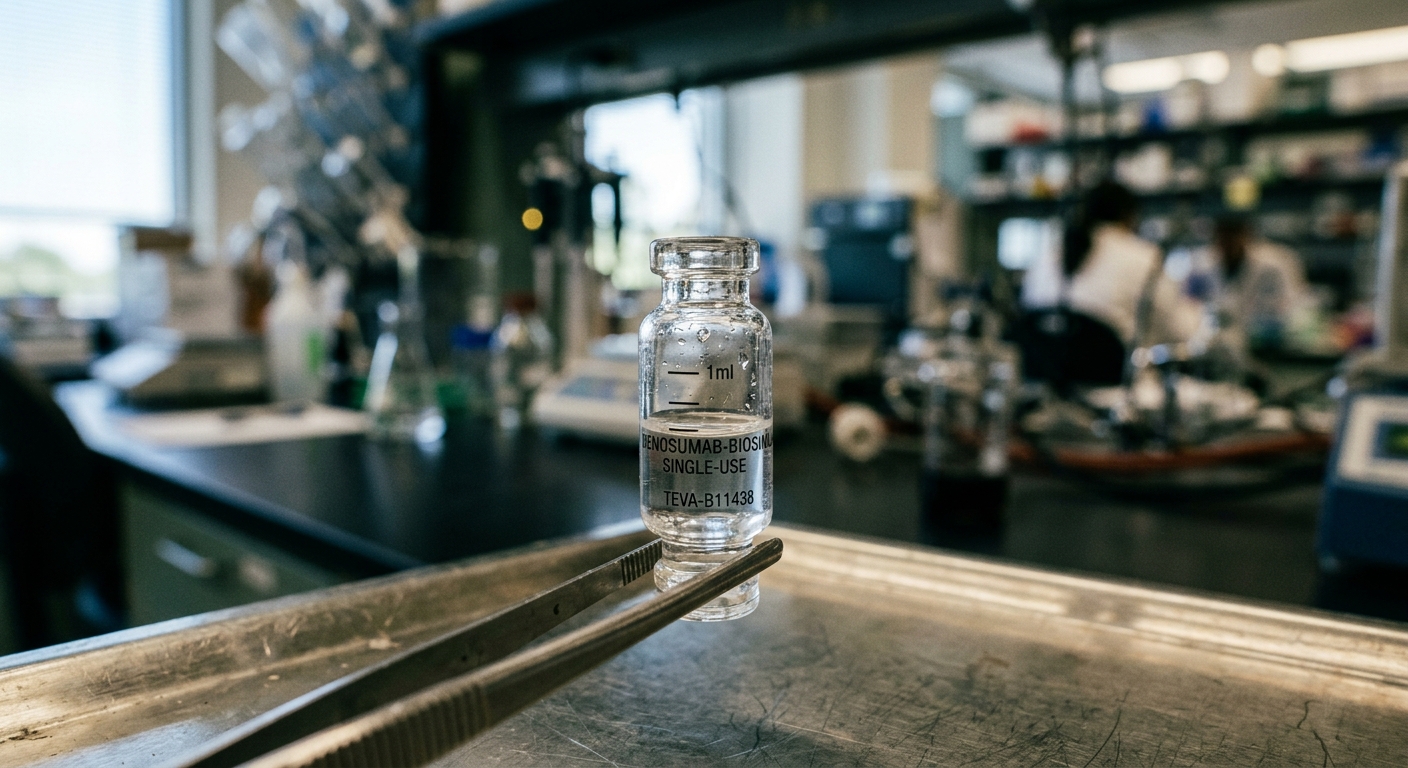
- Teva's Prolia biosimilar, PONLIMSI, has received FDA approval, marking a significant achievement for the company.
- U.S. and European regulators have accepted Teva's biosimilar candidate filing for Xolair, enhancing its competitive position.
- Teva's share price is $30.82, with a 128.97% increase in shareholder returns over the past year.
Teva Pharmaceutical Industries is experiencing significant progress in the biosimilar market following recent regulatory advancements. The U.S. Food and Drug Administration (FDA) has granted approval for Teva's Prolia biosimilar, PONLIMSI. This achievement represents a substantial milestone for the company, affirming its capability in bringing competitive biosimilar products to market. Additionally, regulatory bodies in both the U.S. and Europe have accepted Teva's applications for biosimilars targeting Xolair, bolstering its strategic position in the growing biosimilars sector.
Teva's Biosimilar Strategy Gains Momentum
The approval of PONLIMSI and the acceptance of the Xolair biosimilar filings reflect Teva's ongoing commitment to enhancing its portfolio within the biosimilars market. With the global biosimilar market witnessing robust growth driven by demand for lower-cost alternatives to expensive biologics, Teva's recent achievements position it to capitalize on this trend. The company’s strategic focus on expansion in biosimilars aligns it with industry dynamics that favor affordable treatment options for patients.
As Teva advances its biosimilar offerings, stakeholders are keen to observe how these developments will influence the company's future market strategy and financial outcomes. The biosimilars sector is poised for continued growth, presenting Teva with opportunities to enhance its competitive edge and drive revenue.
Regulatory Focus Expands Outsized Opportunities for Teva
In addition to the FDA's approval of PONLIMSI, the acceptance of Teva’s biosimilar candidate for Xolair represents a critical endorsement of its R&D capabilities. Analysts anticipate that these regulatory milestones will enable Teva to solidify its presence and relevance in a rapidly evolving market. As the company grows its portfolio, it remains a focal point in the pharmaceutical industry for its innovation and dedication to providing cost-effective treatment options.
Conclusion
In summary, Teva's recent regulatory achievements signify a positive trajectory in its strategic growth within the biosimilars market. These advancements not only bolster its competitive positioning but also reflect an optimistic future outlook for the company as it seeks to enhance patient access to vital medications.