
TORM's Resilience Amid Geopolitical Challenges: Business Strategy and Performance Insights
- TORM maintained profitability in 2025, adjusting EBITDA at USD 578 million despite geopolitical challenges impacting earnings.
- The company increased its fleet availability to 31,840 earning days, enhancing resilience in a volatile market.
- TORM's strategic focus and adaptability position it for future growth in the competitive product tanker sector.
Navigating Geopolitical Challenges: TORM's Resilient Business Model
In a year marked by significant geopolitical volatility, TORM (NASDAQ: TRMD) showcases its robust operational framework, adeptly maneuvering through an array of challenges that have reshaped global trade dynamics. CEO Jacob Meldgaard emphasizes the company's accomplishments in 2025 despite facing obstacles such as the imposition of U.S. tariffs, Houthi attacks, and heightened sanctions impacting energy flows. These external pressures hindered TORM’s earnings, lowering time charter equivalent (TCE) earnings to USD 910 million, down from USD 1.135 billion in the previous year. Nevertheless, TORM's disciplined approach and commitment to operational excellence enable it to maintain profitability, with an adjusted EBITDA of USD 578 million.
One focal point of TORM's success is its increased fleet availability, which rises to 31,840 earning days, a slight increase from 31,287 in 2024. This expansion positions the company to maximize opportunities in a constantly shifting market, with a fleet-wide average TCE rate of USD 28,783 per day. Notably, TORM's LR2 class vessels have distinguished themselves with impressive TCE rates of USD 35,850. The strategic performance of the fleet amidst such geopolitical turmoil underscores TORM's resilience, as it continues to adapt its commercial strategies to maintain competitiveness in the product tanker segment. The fourth quarter yields promising results, with TCE earnings trending upward to USD 251 million, indicating a positive outlook and operational efficiency as the company concludes its fiscal year.
Looking ahead to 2026, TORM's strategic focus and integrated business platform remain central to its competitive advantage. By leveraging its operational strengths while navigating external uncertainties, TORM is well-positioned to capitalize on emerging opportunities in the product tanker market. The company's ability to sustain leadership in this sector is underpinned by its commitment to adaptability and continuous improvement, laying a solid foundation for future growth and stability.
In a broader context, TORM's developments reflect the ongoing challenges facing the global shipping industry. As geopolitical tensions continue to evolve, companies like TORM must remain vigilant and responsive to changing trade policies and market demands. The navigation through such complexities not only highlights the critical importance of strategic foresight but also the necessity for companies in the shipping sector to ensure their operational models are resilient in the face of adversity.
Related Cashu News
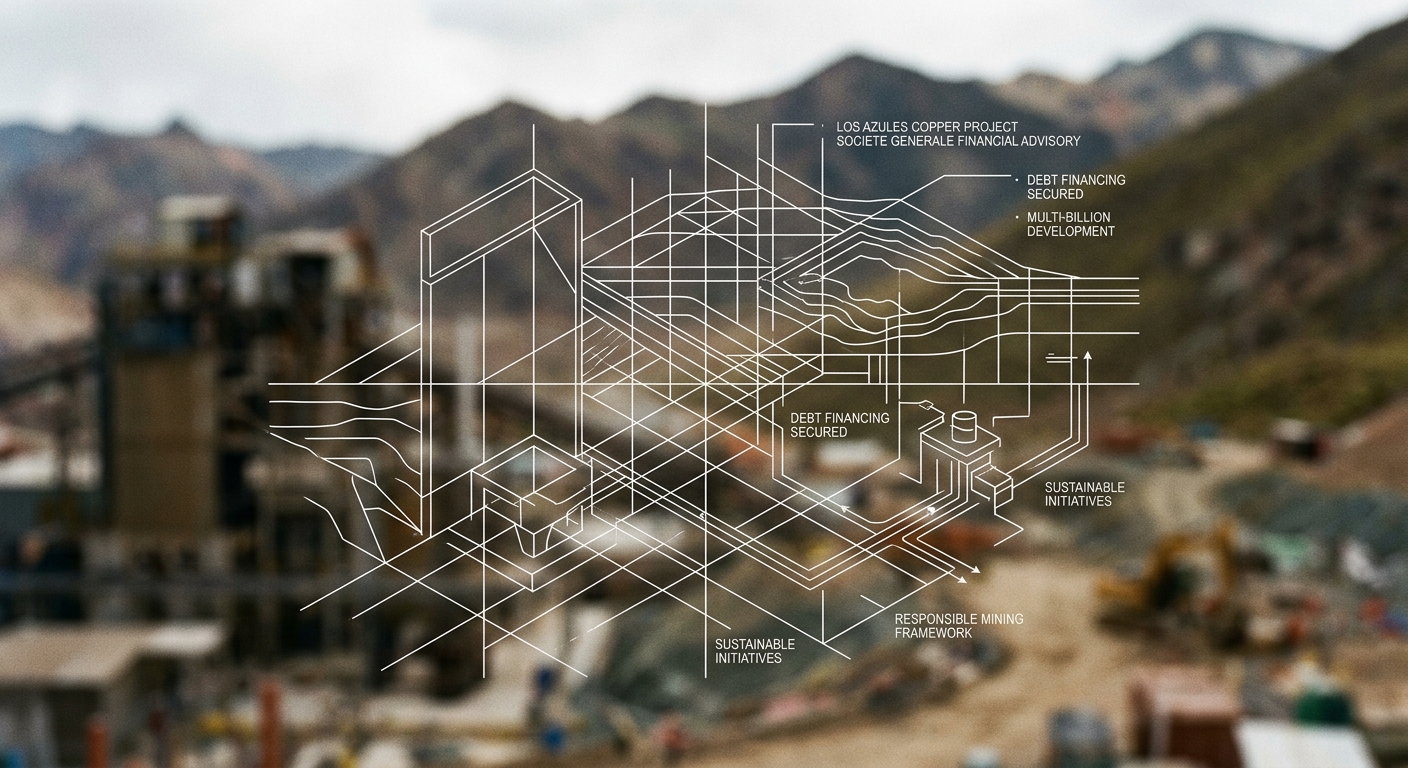
McEwen Mining Advances Los Azules Copper Project with Societe Generale's Financial Support
McEwen Mining has made a significant advancement in its copper mining ambitions by securing Societe Generale as the sole financial advisor for the Los Azules copper project in Argentina. With this str…
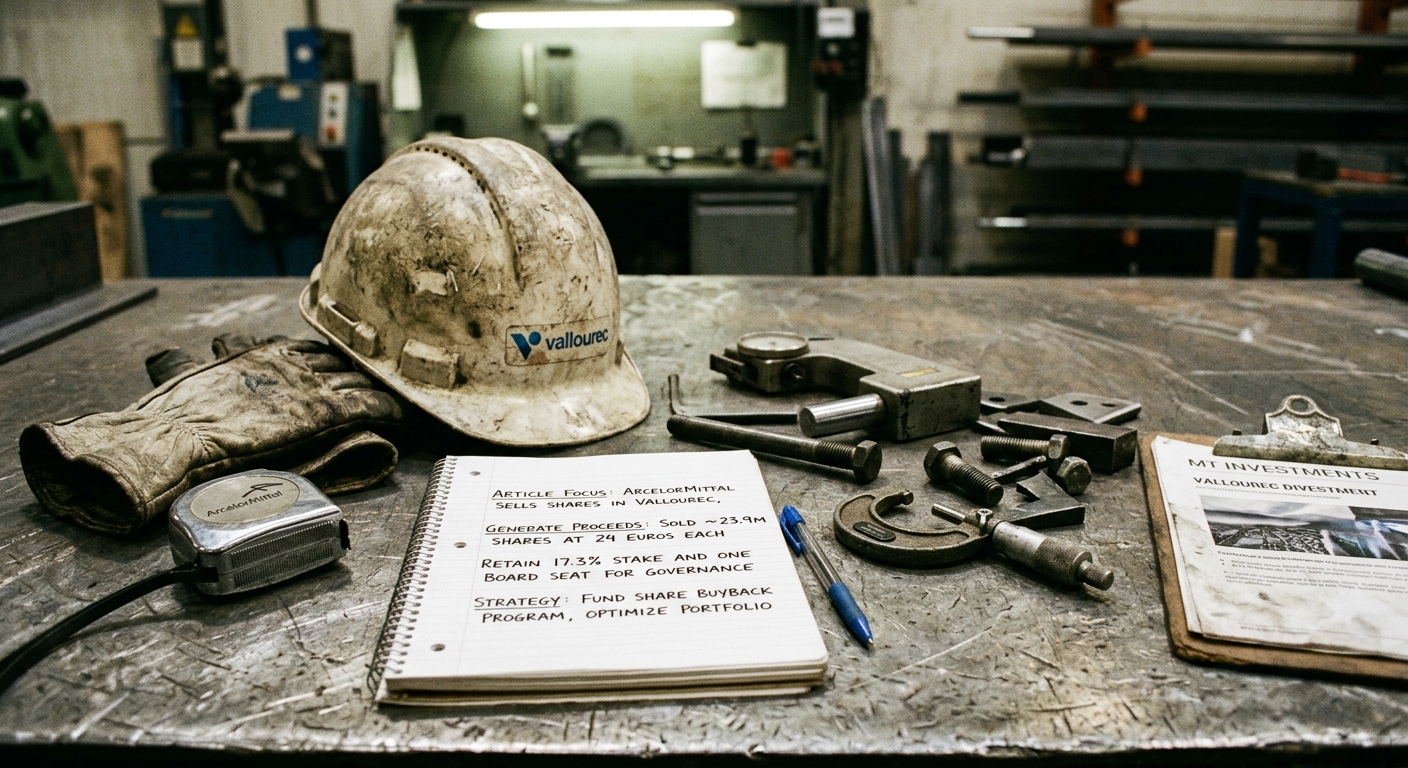
ArcelorMittal Sells Shares in Vallourec to Fund Share Buyback While Retaining Board Influence
In a strategic move, ArcelorMittal (Ticker: UNDEFINED), a leading global steel and mining company, has successfully sold approximately 23.9 million shares of Vallourec at a price of 24 euros per share…

Agnico Eagle Mines Announces Positive Investment Decision for Hope Bay Project in Nunavut
Agnico Eagle Mines Limited (Ticker: UNDEFINED) announces a positive investment decision for its Hope Bay project, reflecting its commitment to economic development in Northern Canada. The company's re…

Southern Copper Faces Regulatory Challenges After Tía María Permit Revocation in Peru
Southern Copper Corporation (Ticker: SCCO) faces significant regulatory challenges following the recent revocation of its construction permit for the Tía María project in Peru. This decision marks a c…