
Trinity Industries Faces Shrinking Railcar Backlog and Declining Profitability Challenges
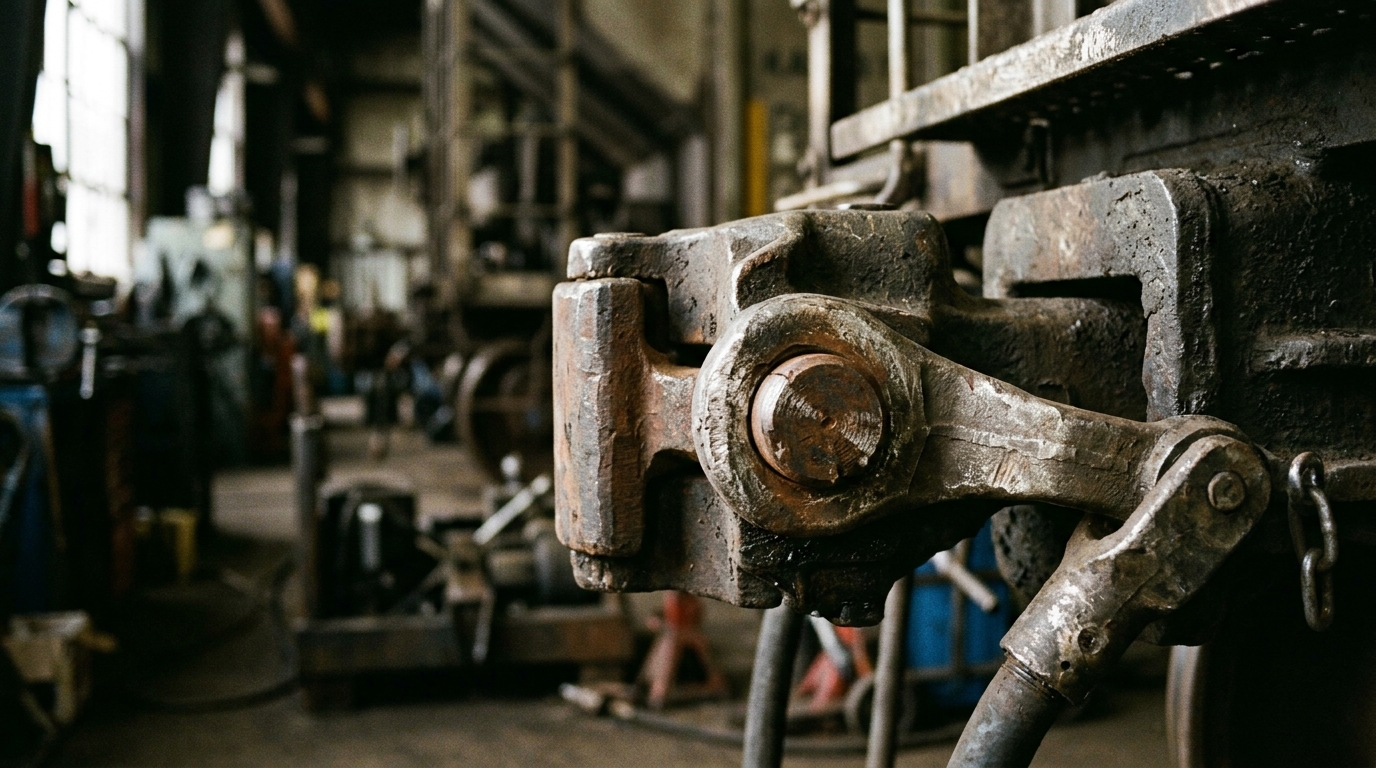
- Trinity Industries' railcar backlog has decreased by 25.8% over the past two years, raising investor concerns.
- The company’s gross margins are declining compared to North American competitors, impacting its competitive stance.
- Investors are focused on Trinity's ability to enhance operational efficiency and secure future profitability amid these challenges.
Trinity Industries (UNDEFINED) is navigating through a challenging phase as it experiences a significant drop in its railcar backlog, with a remarkable average decrease of 25.8% over the last two years. This reduction raises serious concerns about the company’s ability to secure sustainable growth and profitability in a competitive market. While Trinity has traditionally been a leader in railcar manufacturing, the persistent decline in orders places immense pressure on its strategic decision-making and operational efficiency.
Challenges Mount as Backlog Shrinks
The reduction in railcar orders not only signals a potential slowdown in demand but also puts Trinity at a disadvantage compared to its North American competitors whose gross margins are currently outpacing those of Trinity. As competition within the railcar manufacturing sector intensifies, the company finds itself in a critical position where it must reinforce its operational frameworks to enhance efficiency and recover margins. Failure to do so might jeopardize its standing and performance in the market.
A particular concern for stakeholders is how this diminishing backlog may affect Trinity's overall investment strategies. Securing future profitability can become increasingly challenging without a robust backlog of orders to support ongoing growth initiatives. As such, operational improvements will become imperative for the company if it hopes to maintain its competitive edge.
Looking Ahead
The current dynamics in the railcar market prompt investors to keep a close watch on Trinity Industries and its ability to adapt to these pressures. As the company evaluates its strategic roadmap, it remains crucial for Trinity to focus on enhancing its operational efficiencies and recalibrating its approach to align with market realities.
Response Required
Overall, the challenges posed by a shrinking backlog call for immediate and effective responses from Trinity Industries. With the railcar manufacturing sector continuously evolving, the company’s future prospects will largely depend on its capacity to innovate and implement strategies that can reverse current trends.
Related Cashu News
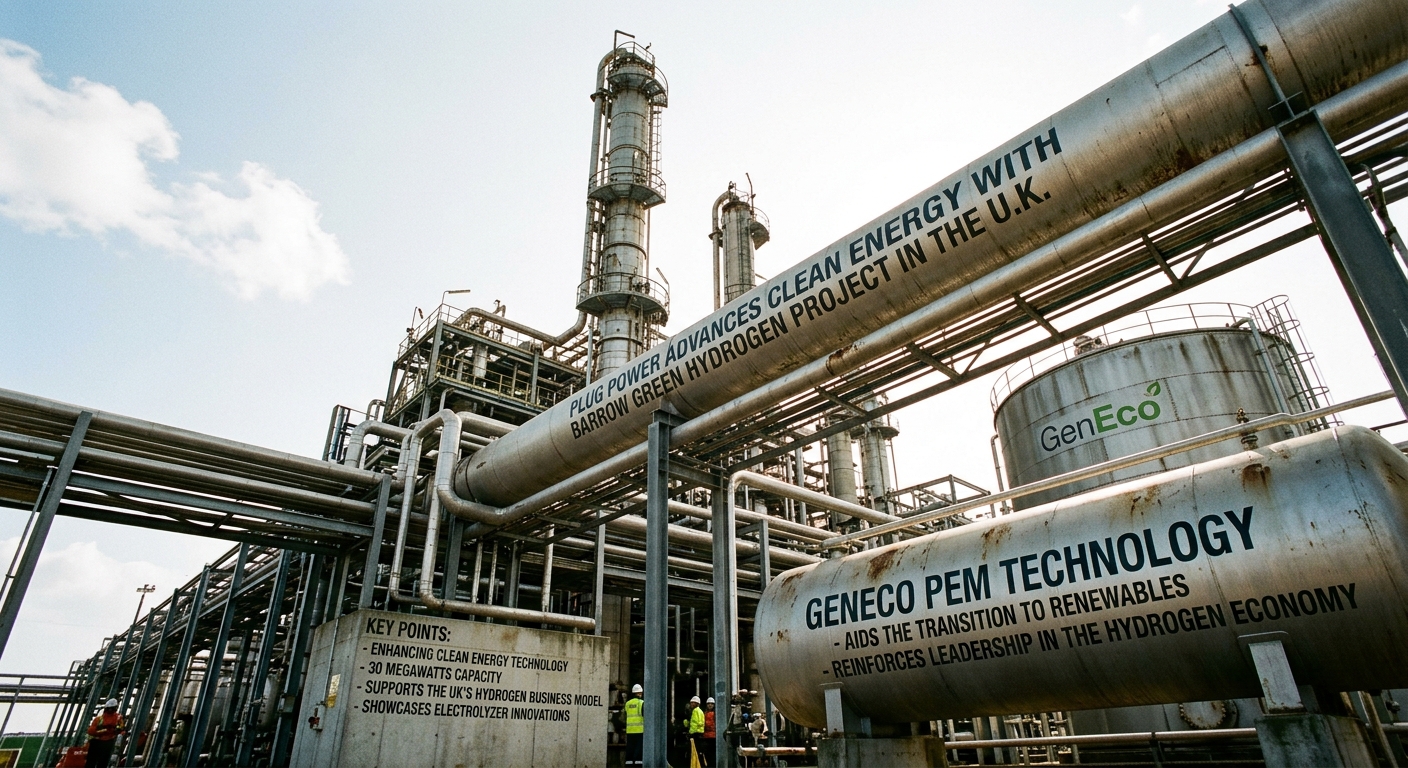
Plug Power Advances Clean Energy with Barrow Green Hydrogen Project in the U.K.
Plug Power's recent commitment to the Barrow Green Hydrogen project in the U.K. marks a significant advancement in clean energy technology and underscores the company's pivotal role within the hydroge…
Wesco International Joins Dow Jones Best-in-Class Index for Sustainable Practices
Wesco International (Ticker: WCC), a prominent provider of business-to-business distribution, logistics services, and supply chain solutions, achieves a significant milestone by being included for the…
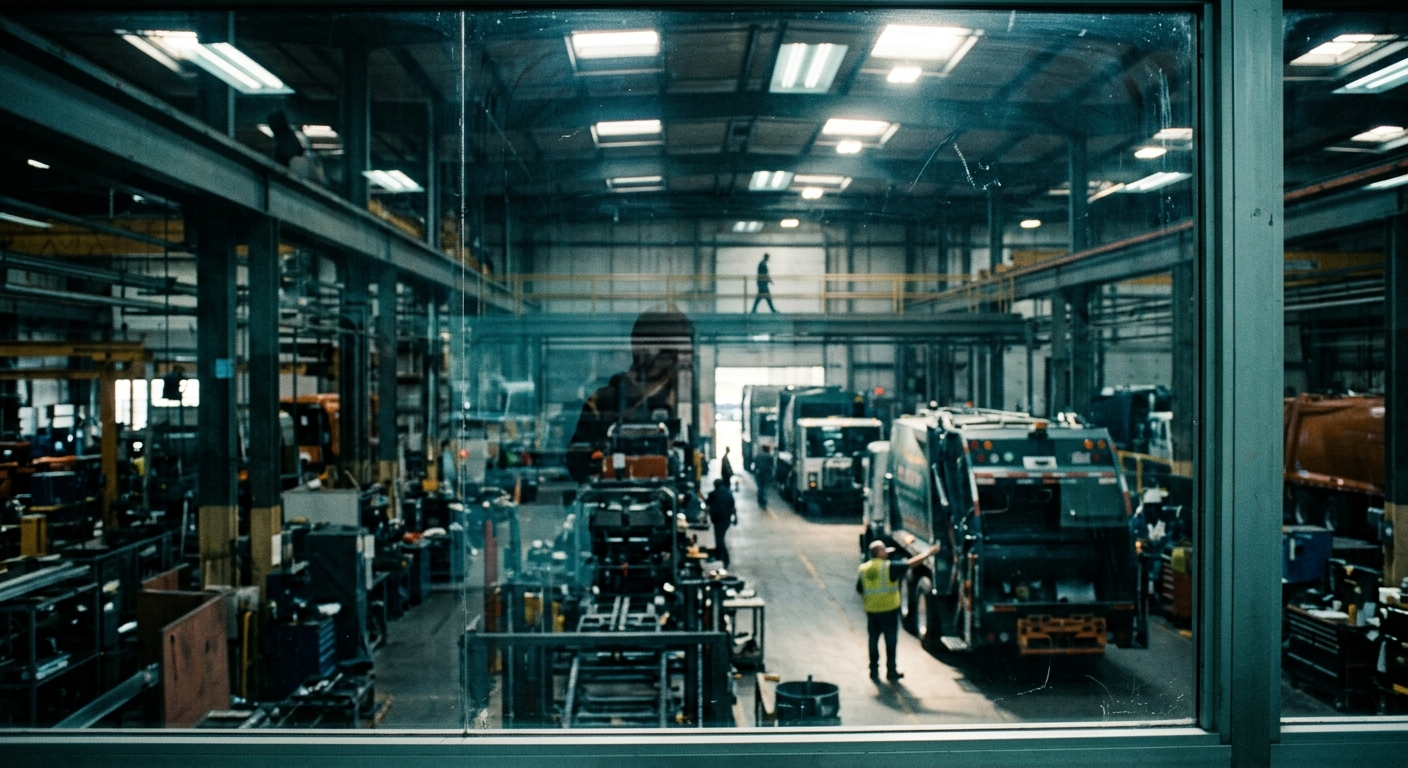
Oshkosh Launches AI System for Contamination Detection in Recycling Vehicles
Oshkosh Corporation (Ticker: UNDEFINED) unveils an innovative AI-enabled contamination detection system for refuse and recycling vehicles, catering to the critical challenges facing recycling operatio…
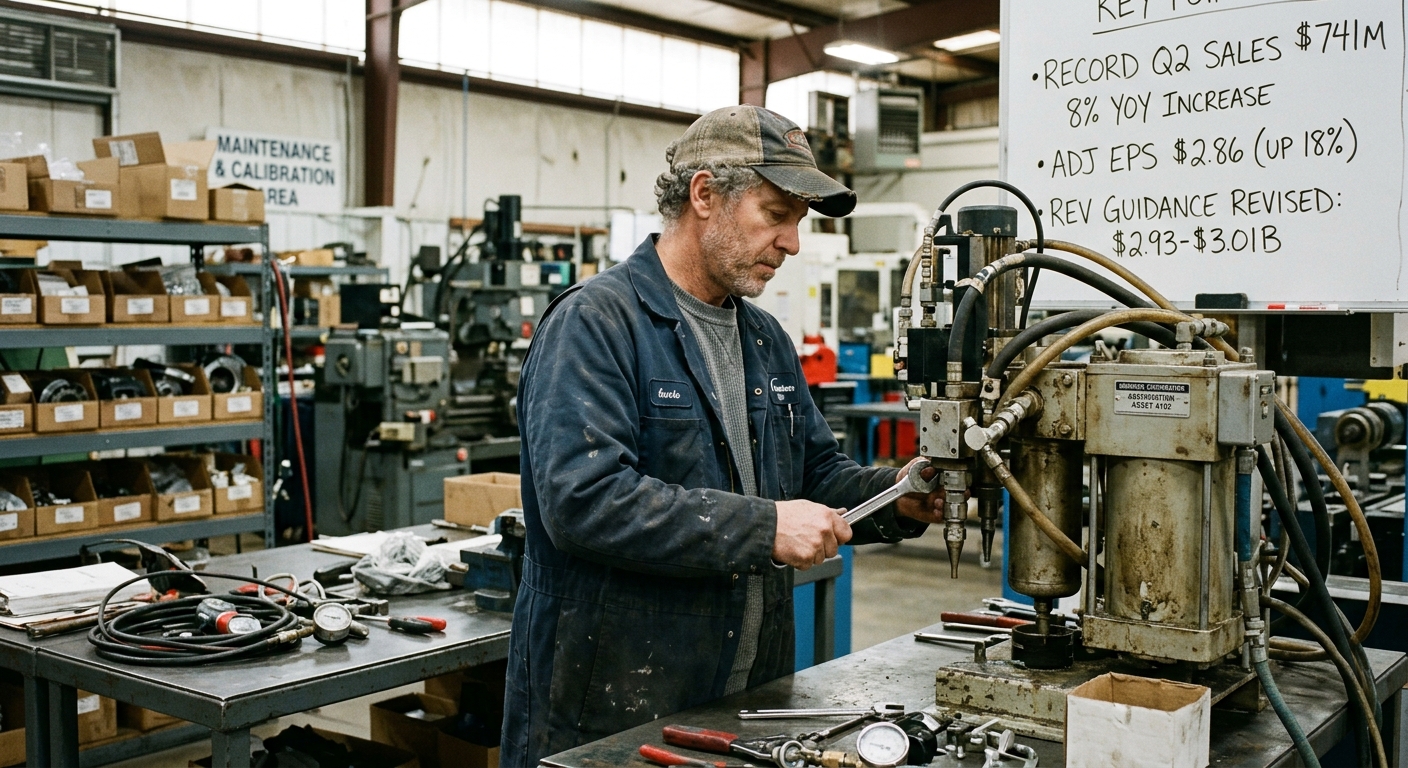
Nordson Reports Record Q2 Sales with Strong Growth and Revised Fiscal Year Guidance
Nordson Corporation (Ticker: NDSN) reports a remarkable second quarter performance for fiscal 2026, emphasizing its growth trajectory and strategic initiatives. The company announces record sales of $…