
Trump's Ultimatum Pressures Credit Card Companies to Reduce Interest Rates Amid Consumer Concerns
- President Trump mandates credit card companies, including Capital One, to reduce interest rates to 10% by January 20.
- Capital One must reassess strategies due to rising consumer dissatisfaction and the pressure for reduced interest rates.
- The directive may reshape credit industry standards, promoting transparency and fairness in financial offerings for consumers.
Government Directive Sparks a Reevaluation of Credit Card Interest Rates
In a significant move to alleviate financial burdens on consumers, President Donald Trump has issued an ultimatum to credit card companies, mandating a reduction in interest rates to a target of 10% by January 20. This directive reflects the administration’s increasing emphasis on consumer protection amid ongoing economic challenges faced by many Americans. High-interest credit cards notoriously contribute to compounding debt, further straining households that frequently utilize credit for essential expenditures. While Trump does not outline specific penalties for companies that fail to comply, the ultimatum adds pressure for credit card providers to reconsider their pricing structures, with consumer sentiments growing increasingly wary of their financial institutions.
The President’s deadline compels credit card issuers, including major players like Capital One, to quickly reassess their strategies in response to rising consumer dissatisfaction. The current average interest rates for credit cards hover significantly higher than the proposed target, indicating a substantial adjustment would be required from the industry. This ultimatum not only highlights the administration's active role in regulating financial practices but also signifies a potential shift in how credit providers will operate in the near future. Companies are now faced with balancing profitability against the imperative to support consumer financial well-being during challenging economic times.
This intervention aligns with broader discussions in the U.S. surrounding credit accessibility and rates, marking a pivotal moment in the evolving dialogue on personal finance. As financial institutions respond to the call for lowered rates, the implications of this policy directive may resonate beyond the immediate deadline, potentially reshaping industry standards for credit offerings. Furthermore, it underscores the power of executive influence in the financial sector, raising questions about future regulatory interventions and their impact on both consumers and businesses alike.
Industry Implications and Consumer Impact
As interest in consumer protection intensifies, Capital One and other financial institutions may need to adapt to a new landscape where rate reductions become a focal point of competition. By reevaluating their policies, these credit card companies could foster stronger customer loyalty amid growing scrutiny over debt-related hardships faced by consumers.
The ultimatum also reinforces the importance of customer relationships in the financial sector, suggesting that credit card providers will need to prioritize transparency and fairness in their offerings. This regulatory pressure could ultimately benefit consumers, promoting a more sustainable model that prioritizes consumer financial health while navigating the complexities of credit markets.
Related Cashu News

Blackstone Mortgage Trust Launches $450 Million Senior Secured Notes for Financial Stability
Blackstone Mortgage Trust (Ticker: UNDEFINED) has initiated a private offering of US$450 million in senior secured notes due in 2031, marking a strategic move to strengthen its capital structure. This…
![AllianceBernstein Partners with Brookfield and Carlyle to Launch ABC [ONE] Retirement Solution.](https://firebasestorage.googleapis.com/v0/b/cashuapplication.appspot.com/o/cashuNewsData%2Fe612a612bbd7a184b952afc6b0cafecacfe232d3%2Fnews_e612a612bbd7a184b952afc6b0cafecacfe232d3.png?alt=media&token=019545694f4417154e316de7809f1ae8)
AllianceBernstein Partners with Brookfield and Carlyle to Launch ABC [ONE] Retirement Solution.
AllianceBernstein Holding L.P. (Ticker: UNDEFINED) collaborates with Brookfield Asset Management and Carlyle to launch an innovative retirement solution, ABC [ONE], aimed at enhancing asset class dive…
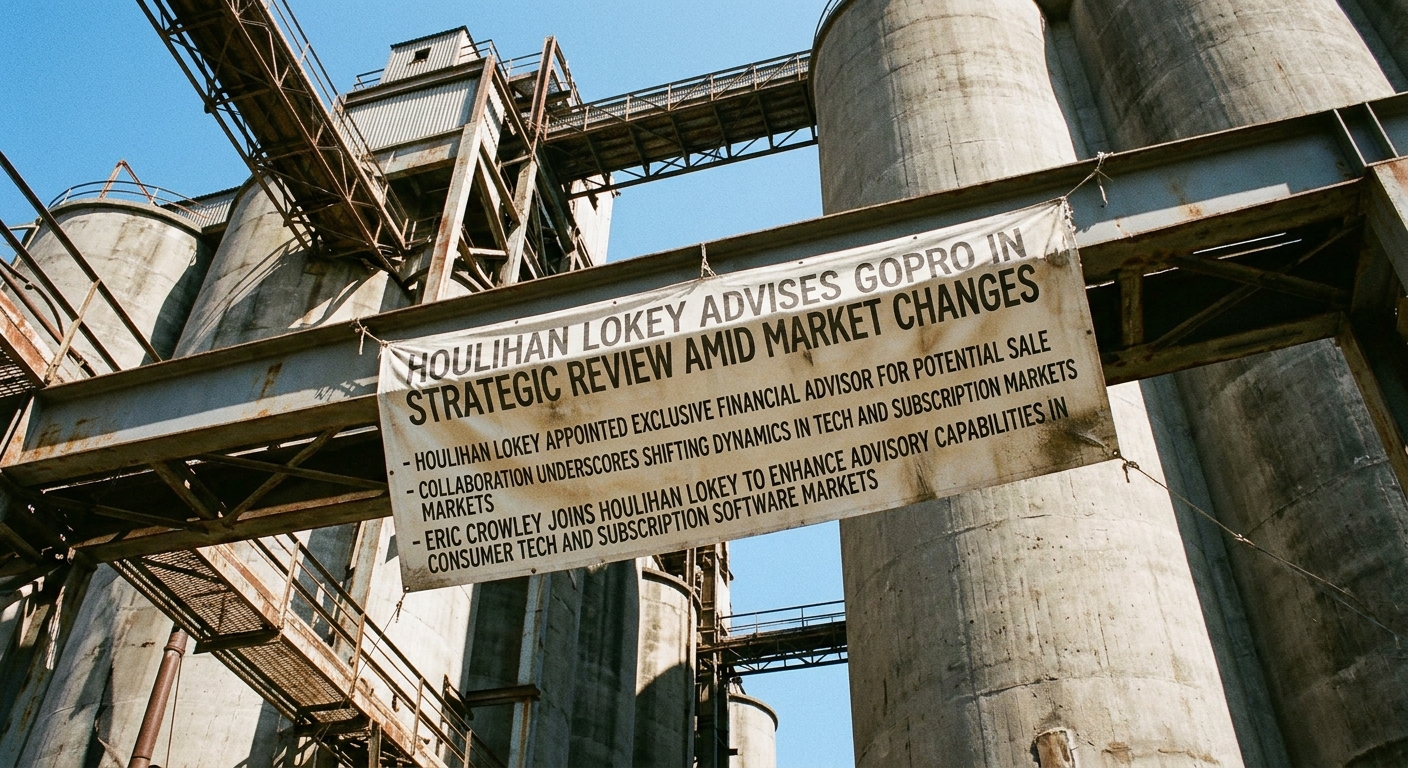
Houlihan Lokey Advises GoPro in Strategic Review Amid Market Changes
Houlihan Lokey (Ticker: HLI) has recently been appointed as the exclusive financial advisor to GoPro, a well-known consumer electronics company. This appointment marks a pivotal moment as GoPro embark…

Federated Hermes Announces Steve Chiavarone as New Chief Investment Officer for Global Equities
Federated Hermes, Inc. (Ticker: UNDEFINED) undergoes a pivotal leadership transition with the appointment of Steve Chiavarone, CFA, as its new Chief Investment Officer for Global Equities, effective S…