
Understanding Short Selling: Implications for Institutional Investors like Bank of New York Mellon
- Bank of New York Mellon monitors high short interest to inform risk management and navigate market dynamics.
- The firm recognizes the potential for market disruptions caused by short squeezes, necessitating strategic decision-making.
- BNY Mellon uses insights from short selling trends to optimize investment strategies and advise clients effectively.
Short Selling Dynamics and Its Implications for Institutional Investors
The landscape of short selling remains pivotal in the world of finance, acting as a double-edged sword that influences market sentiment and volatility. Short interest serves as a barometer for bearish sentiment among investors, representing shares sold short but not yet covered. When a stock experiences high short interest, often exceeding 20% of its float, it indicates a substantial number of investors bet against the stock. This scenario raises red flags for market watchers and can lead to increased scrutiny from institutional investors like Bank of New York Mellon. Understanding these metrics is crucial for financial institutions, as they can inform strategies for managing risk and navigating shifting market dynamics.
The implications of high short interest extend beyond mere sentiment indicators; they carry the potential for market disruptions. As seen in past occurrences, such as with GameStop, when the share price begins to rise amidst high short selling, it can trigger a short squeeze. This forces short sellers to buy back shares at elevated prices, further driving up the stock's price and creating volatility. For institutional players, the aftermath of a short squeeze can result in heightened market activity that necessitates careful monitoring and strategic decision-making. BNY Mellon's position as a global leader in investment management means that an awareness of these short selling dynamics is not just a tactical concern but a strategic necessity.
Furthermore, the market's response to short interest can vary significantly across different sectors. While a high short interest may be perceived negatively in some tech stocks, it can represent a buying opportunity for value investors in more stable sectors. This variability is essential for Bank of New York Mellon when advising clients or adjusting portfolios. By leveraging insights into short interest trends, BNY Mellon can optimize its investment strategies and better anticipate shifts that may come with volatility, enhancing its role as a trusted advisor in the financial services landscape.
Broader Market Considerations
In a market where investor sentiment frequently sways sentiment, understanding short selling not only helps in mitigating risk but also empowers institutions to capitalize on market inefficiencies. This understanding enables firms to provide more robust investment strategies to clients, ultimately enhancing their portfolios' resilience.
As the volatility influenced by short selling continues to shape market conditions, the necessity for proactive risk management strategies remains paramount. Knowing how to interpret short interest trends becomes crucial in maintaining investment integrity and guiding institutional investments effectively.
Related Cashu News

Blackstone Mortgage Trust Launches $450 Million Senior Secured Notes for Financial Stability
Blackstone Mortgage Trust (Ticker: UNDEFINED) has initiated a private offering of US$450 million in senior secured notes due in 2031, marking a strategic move to strengthen its capital structure. This…
![AllianceBernstein Partners with Brookfield and Carlyle to Launch ABC [ONE] Retirement Solution.](https://firebasestorage.googleapis.com/v0/b/cashuapplication.appspot.com/o/cashuNewsData%2Fe612a612bbd7a184b952afc6b0cafecacfe232d3%2Fnews_e612a612bbd7a184b952afc6b0cafecacfe232d3.png?alt=media&token=019545694f4417154e316de7809f1ae8)
AllianceBernstein Partners with Brookfield and Carlyle to Launch ABC [ONE] Retirement Solution.
AllianceBernstein Holding L.P. (Ticker: UNDEFINED) collaborates with Brookfield Asset Management and Carlyle to launch an innovative retirement solution, ABC [ONE], aimed at enhancing asset class dive…
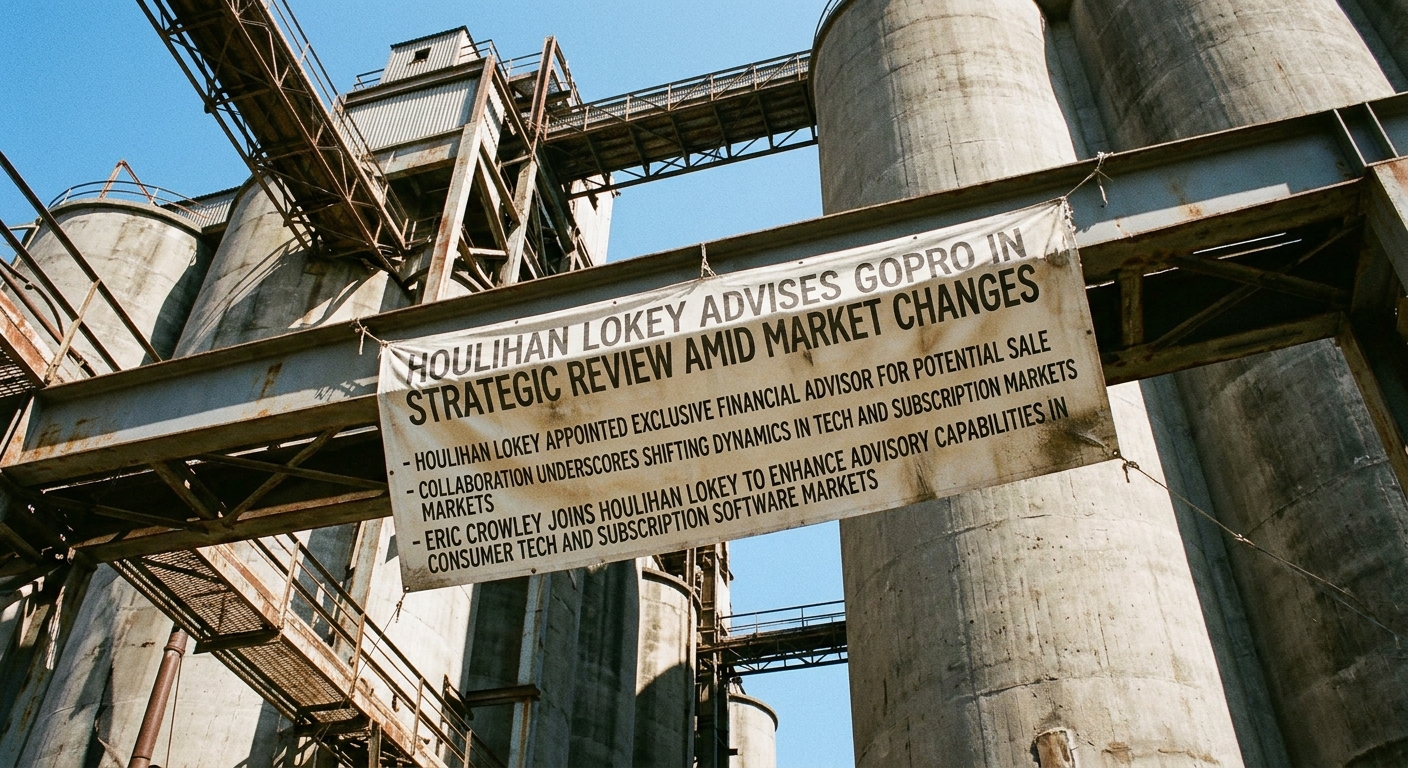
Houlihan Lokey Advises GoPro in Strategic Review Amid Market Changes
Houlihan Lokey (Ticker: HLI) has recently been appointed as the exclusive financial advisor to GoPro, a well-known consumer electronics company. This appointment marks a pivotal moment as GoPro embark…

Federated Hermes Announces Steve Chiavarone as New Chief Investment Officer for Global Equities
Federated Hermes, Inc. (Ticker: UNDEFINED) undergoes a pivotal leadership transition with the appointment of Steve Chiavarone, CFA, as its new Chief Investment Officer for Global Equities, effective S…