
U.S. enrichment capacity may fall short by 2028; Centrus urges rapid domestic buildout
- Centrus Energy SVP Patrick Brown: U.S. enrichment "building from zero"; under 1% of reactor fuel produced domestically.
- Brown warns commercial reactors rely on imports, with up to 5% from Russia; 2028 ban risks shortfall.
- Brown calls restoring domestic enrichment a national-security priority, urging rapid centrifuge and conversion plant deployment.
Seattle summit flags U.S. enrichment shortfall
SEATTLE — U.S. nuclear industry leaders warn that domestic uranium enrichment capacity is racing to catch up with plans for advanced reactors, and could face a supply shortfall as soon as 2028. The U.S. Department of Energy awards $2.7 billion on Jan. 5 to three companies to build centrifuges and processing plants, but industry officials at the U.S. Nuclear Industry Council’s 13th Advanced Reactors Summit tell more work is needed as the sector scales from near zero.
Centrus urges rapid domestic buildout to avert 2028 crunch
Centrus Energy senior vice president Patrick Brown tells attendees the United States is “building from zero,” with less than 1% of the nuclear fuel consumed by the nation’s 94 commercial reactors produced domestically. He says existing U.S. enrichment largely serves the Pentagon and that commercial reactors remain almost entirely dependent on imports from Kazakhstan and Canada, with up to 5% recently sourced from Russia. A 2023 Congressional ban on Russian uranium imports is set to take effect on Jan. 1, 2028, and Brown warns that even the small Russian share may prove hard to replace on short notice.
Brown says revived U.S. enrichment capacity is necessary to meet demand driven by administration targets, including executive goals to license 10 new reactors by 2030 and to expand commercial nuclear output by 2050. He frames restoration of domestic enrichment as a national-security priority comparable to “a second Manhattan Project,” urging rapid deployment of centrifuge and conversion plants so fuel is available as advanced reactors come online. Panelists at the summit say global supply is constrained, and that U.S. capacity will likely lag demand into the early 2030s unless construction accelerates.
Market context and global suppliers
Industry speakers note that the global nuclear fuel market is tight, pointing to Urenco’s Gronau plant in Germany and Urenco USA’s New Mexico facility as crucial non‑Russian sources that are increasing output but not yet sufficient to meet projected U.S. commercial demand. The DOE award to three companies is a major step, but firms and regulators stress that permitting, construction and testing timelines make 2028 a possible pinch point.
Policy and procurement implications
Officials say the timing of the 2028 import ban, coupled with ambitious reactor licensing targets, forces federal and private players into a coordinated procurement and build program. They call for streamlined regulatory approvals and sustained funding to ensure new enrichment capacity comes online before commercial reactor fuel requirements intensify.
Related Cashu News
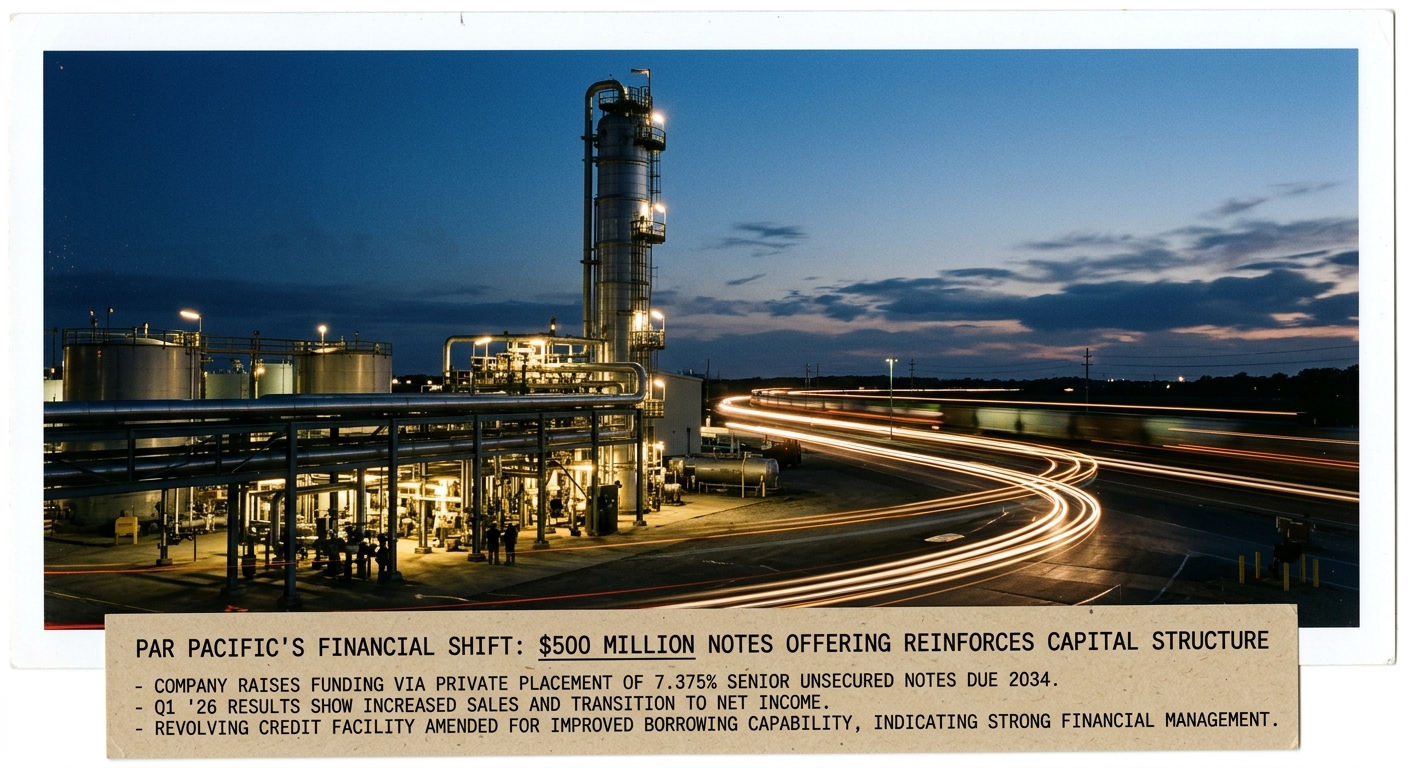
Par Pacific Strengthens Capital Structure with $500 Million Notes Offering and Improved Financial Performance
Par Pacific Holdings, Inc. has recently strengthened its capital structure by completing a $500 million private placement of 7.375% senior unsecured notes, which are set to mature on June 1, 2034. Thi…
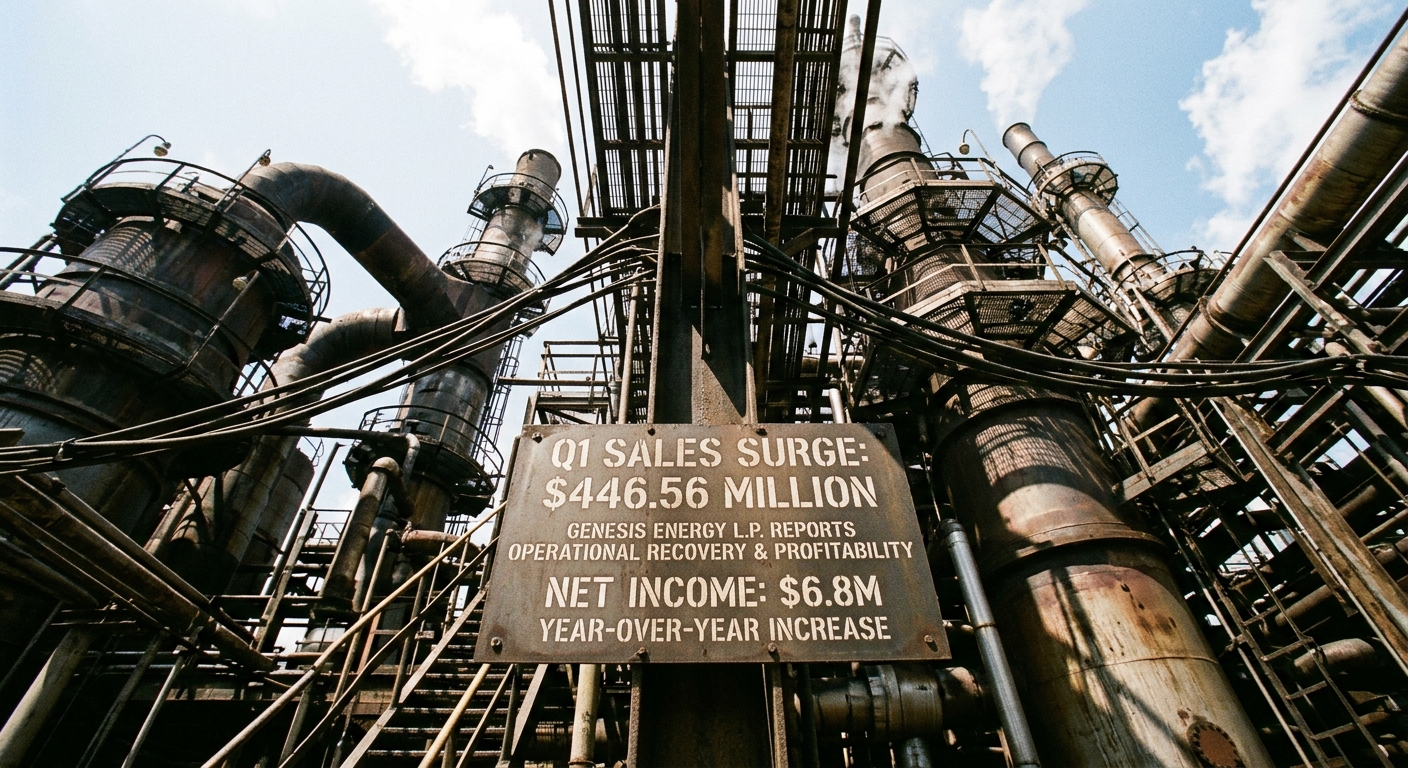
Genesis Energy L.P. Reports Q1 Profitability Surge with $446.56 Million in Sales
Genesis Energy L.P. (Ticker: UNDEFINED) announces its first-quarter financial results, signaling a resurgence in profitability and operational performance. The company reports total sales of $446.56 m…

Nordic American Tankers Finalizes New Leasing Contracts to Strengthen Cash Position and Dividends.
Nordic American Tankers (Ticker: NAT) has recently marked a significant milestone by finalizing multiple new vessel leasing contracts in a favorable tanker market. This strategic move is aimed at rein…

Marine Petroleum Trust Announces Quarterly Distribution Amid Fluctuating Energy Sector Conditions
Marine Petroleum Trust (Ticker: MARPS) announces a quarterly cash distribution of $0.096470 per unit, reflecting a decrease compared to prior distributions. This development highlights the trust's ong…