
US Immigration Case Spotlights Platform Governance Risks for Rogers Communications
- Rogers Communications faces operational risk from NGOs pressuring platforms, potentially triggering cross‑border regulatory enforcement.
- Rogers operates networks, media outlets, and content services across Canada, exposing it to takedown demands.
- Rogers must navigate conflicting legal demands, harmonize cross‑jurisdiction content policies, and manage free‑expression expectations.
Introduction — Immigration Case Puts Platform Governance on Notice
A federal immigration case in New York involving Imran Ahmed, CEO of the Centre for Countering Digital Hate (CCDH), is spotlighting how transnational advocacy and government pressure intersect with platform content moderation. U.S. filings this month and a State Department memo asserting extraterritorial regulatory action prompt fresh questions for communications and media companies about obligations, compliance and reputational risk.
Telecoms Face Growing Pressure From Transnational Content‑Policing
The case is highly relevant to Rogers Communications and peers in the telecom and media sector because it frames an operational risk: allegations that a U.K. NGO coordinated with U.S. officials to press platforms to remove or suppress content suggest private actors can catalyse regulatory and enforcement responses across borders. Rogers, which operates networks, media outlets and content services in Canada, faces similar dilemmas when third parties push for takedowns or when regulators seek to extend national content rules to foreign providers.
A State Department memo cited in the filings alleges Ahmed and the CCDH are central to efforts to “pressure U.S. companies into censoring,” and leaked documents are said to include strategies to trigger EU and U.K. regulatory action. For a company like Rogers, that could mean navigating conflicting legal demands, harmonising content policies across jurisdictions, and managing customer and public expectations about free expression on broadband, wireless and owned media platforms.
Telecoms and media firms must weigh compliance against due process and public trust as governments contemplate visa revocations and extraterritorial measures. The evolving legal precedent from this case may influence how Canadian regulators, courts and industry groups craft responses to transnational campaigns that seek enforcement through both corporate pressure and government channels.
Legal Fight and First Amendment Claims
Ahmed is fighting deportation with high‑profile counsel, filing an updated complaint this month that argues the visa revocation and removal proceedings violate free‑speech and due‑process protections. His lawyers assert CCDH’s work targets online hate and disinformation, not political censorship, framing the dispute as a legal test of boundaries between advocacy, government action and platform governance.
UK Political Links Add Diplomatic Weight
The case also carries a diplomatic dimension because co‑founder Morgan McSweeney, linked to Ahmed and to senior figures in Britain’s Labour Party, previously served in a top government role and recently resigned amid an unrelated scandal. Reports of CCDH influence within U.K. government circles raise tensions as Washington pushes back, underlining how platform governance disputes can spill into international relations.
Related Cashu News
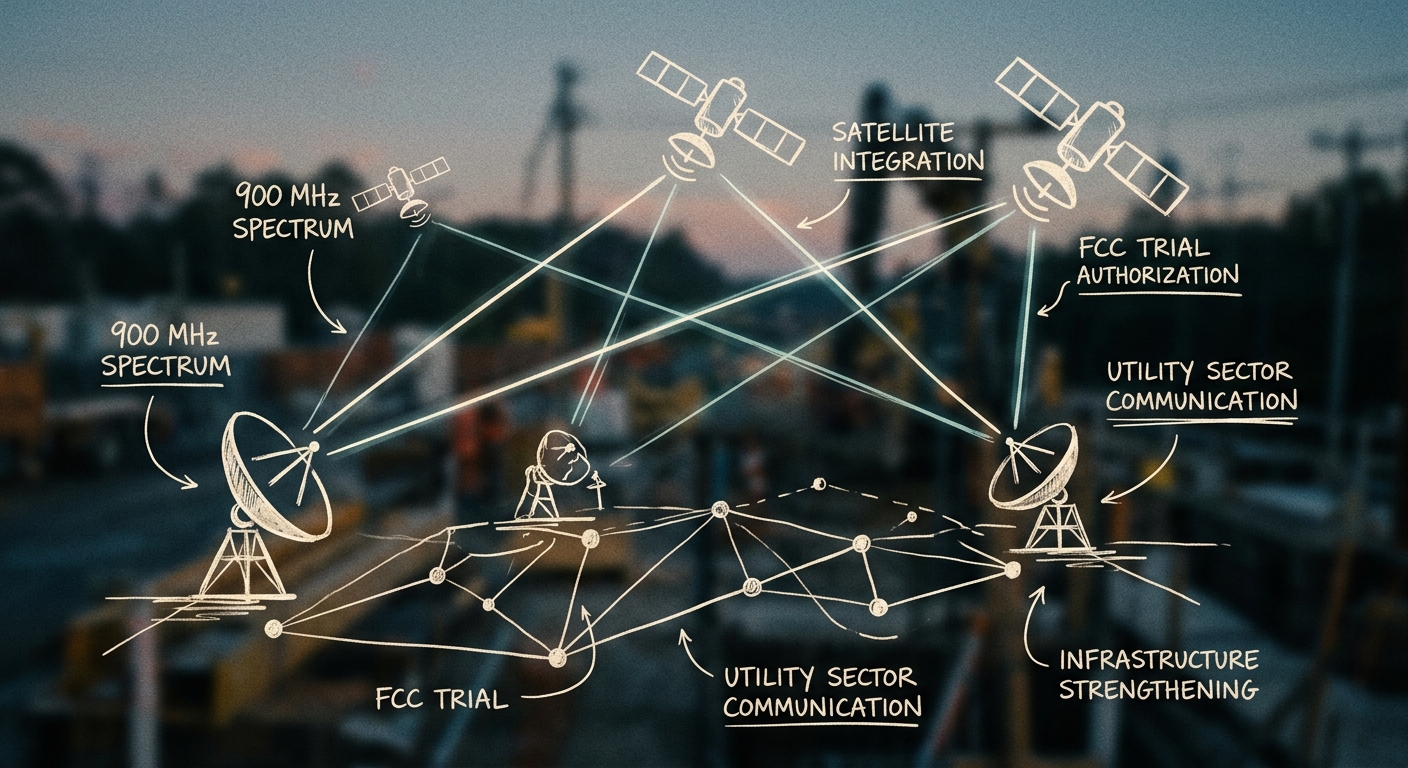
Anterix Advances Communication with FCC Approvals for Satellite and 900 MHz Spectrum Integration
Anterix Inc. (Ticker: ATEX) is enhancing its communication capabilities through recent regulatory approvals and strategic initiatives focused on expanding its spectrum technology. The Federal Communic…

T-Mobile US Adapts Strategies to Enhance Customer Retention Amid Rising Churn Rates
T-Mobile US (Ticker: TMUS) recently adapts its discount and device promotion strategies to counteract customer dissatisfaction and rising churn rates. This significant turnaround stems from a growing…

Lumen Technologies Plans NorthLine Fiber Route to Boost Low-Latency Data Services by 2026
Lumen Technologies (Ticker: UNDEFINED) announces its ambitious plans to develop a new low-latency fiber route called NorthLine, connecting Seattle and Minneapolis by the end of 2026. This strategic in…

Verizon Joins AT&T and T-Mobile to Enhance U.S. Wireless Connectivity and Address Dead Zones
Verizon Communications (Ticker: VZ) takes a significant step in enhancing wireless connectivity across the United States by joining forces with AT&T and T-Mobile. This joint venture aims to tackle the…