
U.S. Industrial Interventions Push Southern Copper Toward Strategic Partnerships and Scrutiny
- Southern Copper faces potential strategic partnerships as Washington takes equity stakes in critical minerals. • Interventions create unprecedented incentives and political risks for miners such as Southern Copper. • Southern Copper must balance U.S. market access and capital with sovereign operations and local permitting.
U.S. industrial interventions reshape the outlook for copper producers
Main development — Southern Copper faces potential new strategic partnerships as Washington invests directly in critical minerals
Southern Copper, one of the world’s largest copper producers, is watching a U.S. government push to take equity stakes in critical minerals and industrial firms that is reshaping how the United States secures supply chains. The Trump administration is deploying a mix of governance tools — from preferred stock and warrants to so‑called “golden shares” — to tie commercial returns to strategic objectives, a model that could extend to the copper sector as policymakers seek reliable sources of metal for electrification and defence manufacturing.
Analysts say the scale and instruments of these interventions are unprecedented in peacetime and create new incentives and risks for miners such as Southern Copper. Firms with large copper reserves or processing capacity may find opportunities for offtake agreements, preferred financing or strategic partnerships that accelerate investment in refining capacity and mine expansions. At the same time, miners face greater political scrutiny and potential conditions on operations — for example, restrictions on closures, relocations or changes in governance — if Washington seeks direct influence over supply reliability.
Company executives and investors in the copper industry are increasingly factoring U.S. industrial policy into planning for production and downstream processing. Commerce Secretary Howard Lutnick’s comments that stakes in major defence suppliers could follow underline a broader appetite in Washington to shape industrial outcomes. For Southern Copper, which operates mines and smelters across Latin America, this dynamic raises questions about how to balance access to U.S. markets and capital with sovereign operations and local permitting regimes.
Other U.S. actions set precedent for miners
The Pentagon’s July 2025 deal with MP Materials, which includes $400 million of preferred stock, a purchase agreement for future output and a warrant that could give the government roughly a 15% stake, signals the kinds of bespoke arrangements Washington is prepared to use to secure critical minerals capacity.
Separately, the White House secures a “golden share” in the U.S. Steel approval and the Commerce Department’s 10% stake in Intel underline that stakes, governance rights and direct ownership are now mainstream tools in U.S. industrial policy, offering a template that could be extended to strategic copper assets.
Related Cashu News
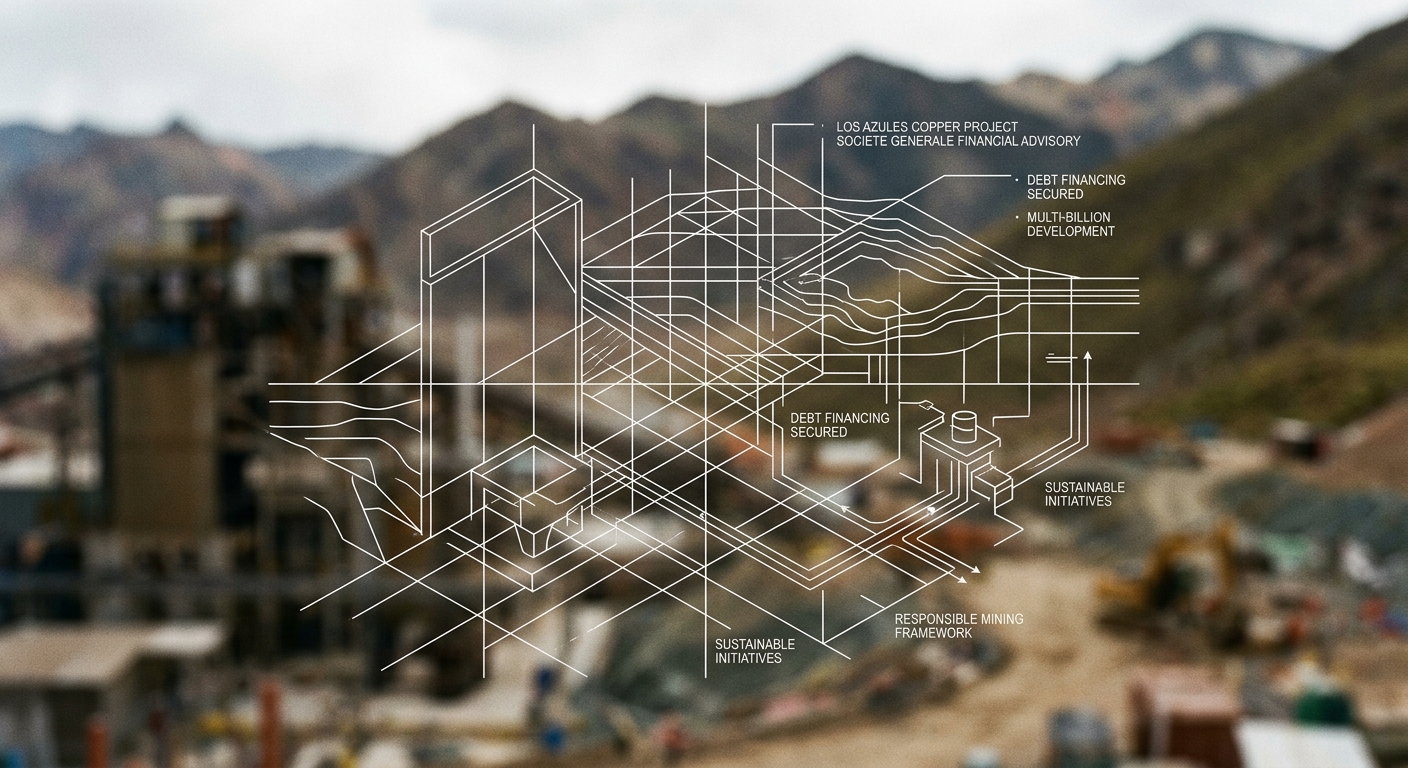
McEwen Mining Advances Los Azules Copper Project with Societe Generale's Financial Support
McEwen Mining has made a significant advancement in its copper mining ambitions by securing Societe Generale as the sole financial advisor for the Los Azules copper project in Argentina. With this str…
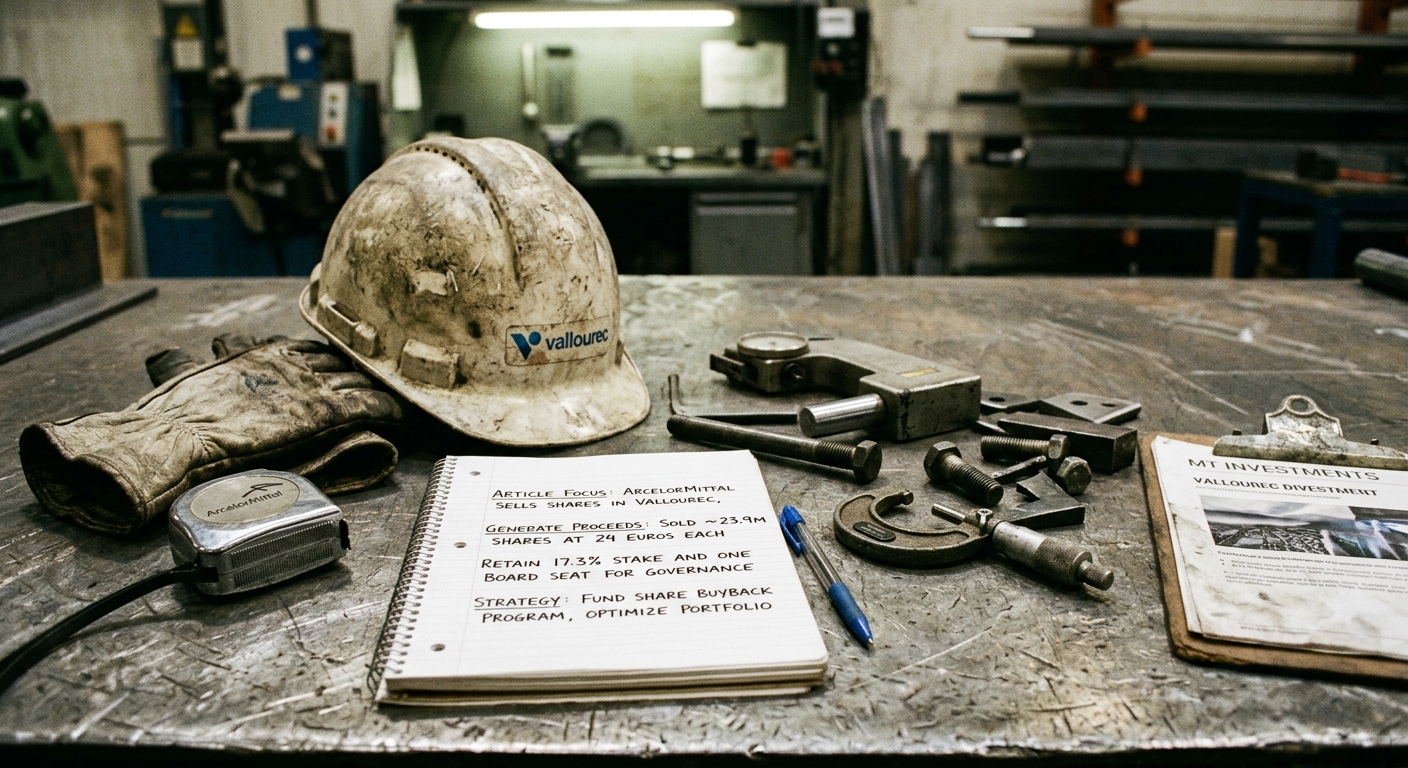
ArcelorMittal Sells Shares in Vallourec to Fund Share Buyback While Retaining Board Influence
In a strategic move, ArcelorMittal (Ticker: UNDEFINED), a leading global steel and mining company, has successfully sold approximately 23.9 million shares of Vallourec at a price of 24 euros per share…
Agnico Eagle Mines Announces Positive Investment Decision for Hope Bay Project in Nunavut
Agnico Eagle Mines Limited (Ticker: UNDEFINED) announces a positive investment decision for its Hope Bay project, reflecting its commitment to economic development in Northern Canada. The company's re…
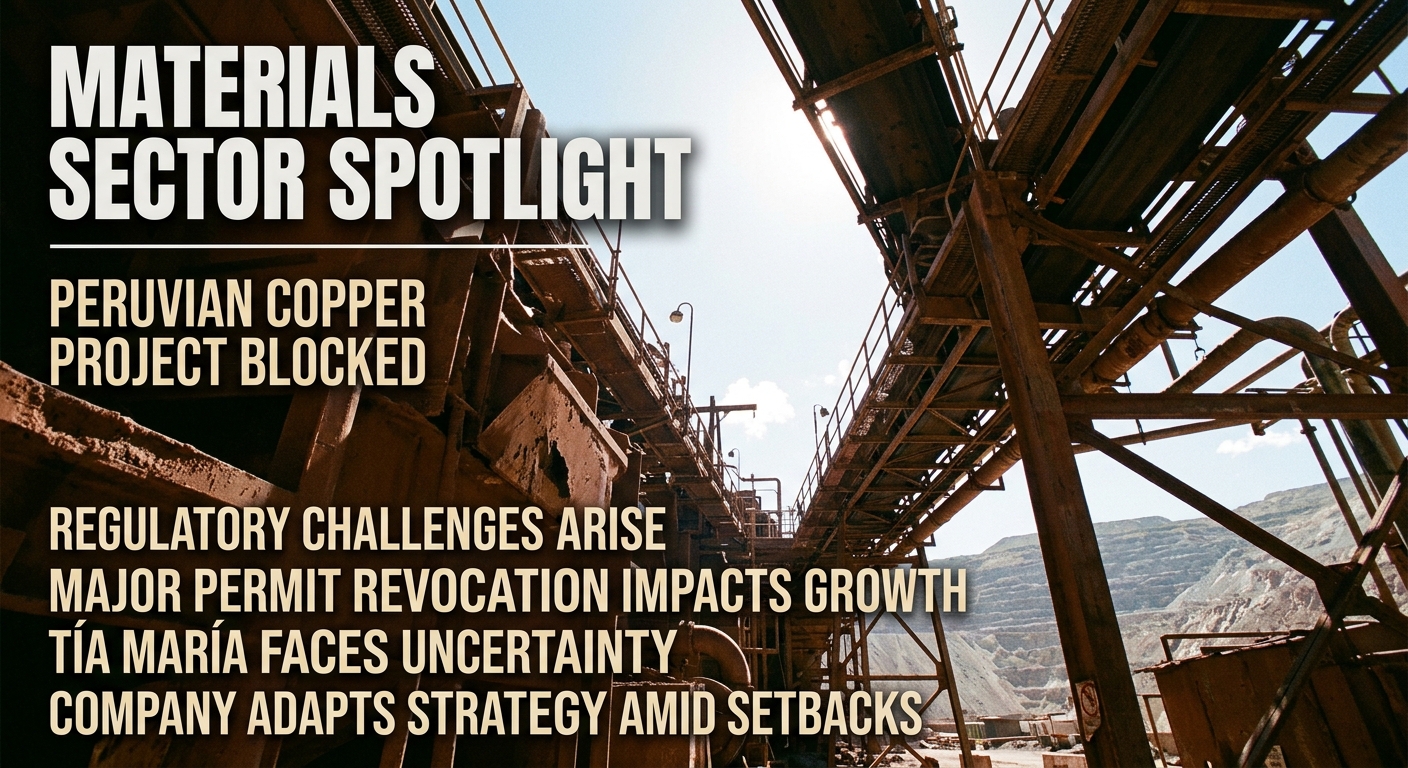
Southern Copper Faces Regulatory Challenges After Tía María Permit Revocation in Peru
Southern Copper Corporation (Ticker: SCCO) faces significant regulatory challenges following the recent revocation of its construction permit for the Tía María project in Peru. This decision marks a c…