
U.S. Macro Week Pressures Rogers Communications: Rates, Inflation, Demand, Financing Risks
- U.S. economic data and Fed commentary will influence Rogers’ consumer demand, ARPU, and near‑term financing conditions. • Stickier inflation or wage gains could raise Rogers’ operating costs, force price hikes, and hurt handset sales. • Higher global yields and supply‑chain bottlenecks can increase Rogers’ borrowing costs, delay devices, and alter capital spending.
U.S. macro week puts pressure on Canadian telecom outlook
Rogers Communications faces a pivotal stretch as a dense slate of U.S. economic releases and central bank commentary shapes the near‑term operating environment for North American telecoms. The coming days bring closely watched U.S. payrolls, consumer price index and retail sales reports alongside heavy Federal Reserve speaking engagements, all of which are setting expectations for interest rates, consumer spending and inflation. For Rogers, shifts in those variables influence demand for wireless device upgrades, broadband subscriptions and business services, while also affecting the company’s cost base and financing conditions.
Inflation readings and payroll dynamics are particularly relevant to Rogers’ margins and pricing strategies. If core inflation and wage gains prove stickier than expected, Rogers may face higher labour and operating costs, as well as greater pressure to raise retail prices or shift promotions to protect average revenue per user (ARPU). Conversely, softer CPI or slower payroll growth would alleviate input‑cost pressure but could signal weaker consumer confidence and lower discretionary spending, dampening handset sales and accessory revenues. The usual benchmark revisions to employment data add another layer of uncertainty for quarterly planning, potentially complicating short‑term demand forecasting for the carrier.
Fed commentary and resultant shifts in global yields feed through to Rogers’ capital decisions and cost of borrowing. Persistent rhetoric from current Fed voters or surprises in U.S. inflation that move interest‑rate expectations can translate into higher Canadian yields, increasing the expense of spectrum financing, network build‑outs and refinancing maturing debt. That dynamic matters as carriers continue to invest in 5G densification and fibre expansion; sudden changes in funding costs could alter pacing of capital expenditure or the mix of debt and lease financing used for large‑scale projects.
Global inflation and supply‑chain signals
Inflation updates from China and several European economies are also salient for Rogers because handset and network equipment supply chains remain international. Rising costs or renewed bottlenecks overseas can push device prices higher and delay replacement cycles, affecting revenue timing and promotional activity across Canada.
Earnings season and traffic trends
The broader corporate reporting period, especially from large cloud and content providers, is influencing data‑traffic growth projections that underpin Rogers’ capacity planning. Strong business from data‑intensive services tends to accelerate network investment needs, while softer demand can moderate near‑term capital intensity.
Related Cashu News
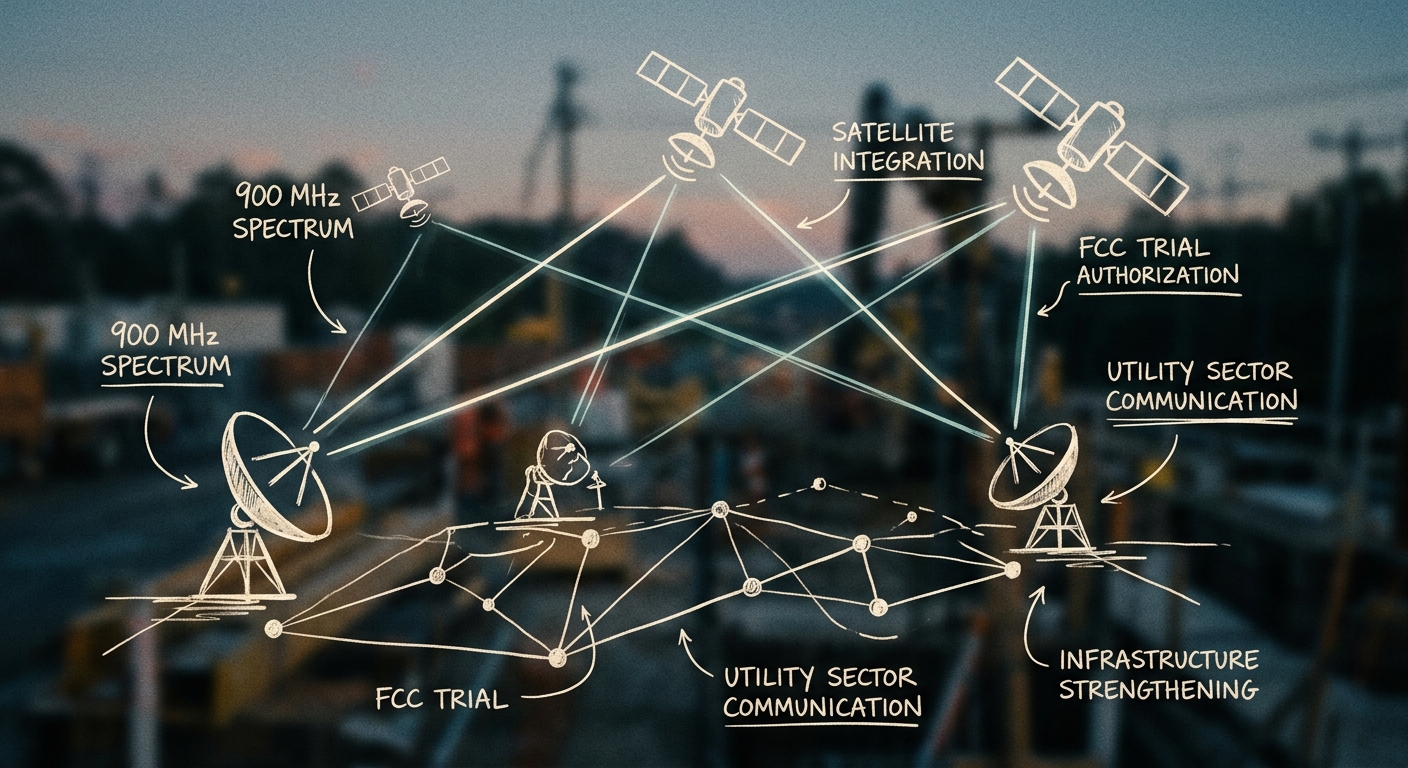
Anterix Advances Communication with FCC Approvals for Satellite and 900 MHz Spectrum Integration
Anterix Inc. (Ticker: ATEX) is enhancing its communication capabilities through recent regulatory approvals and strategic initiatives focused on expanding its spectrum technology. The Federal Communic…
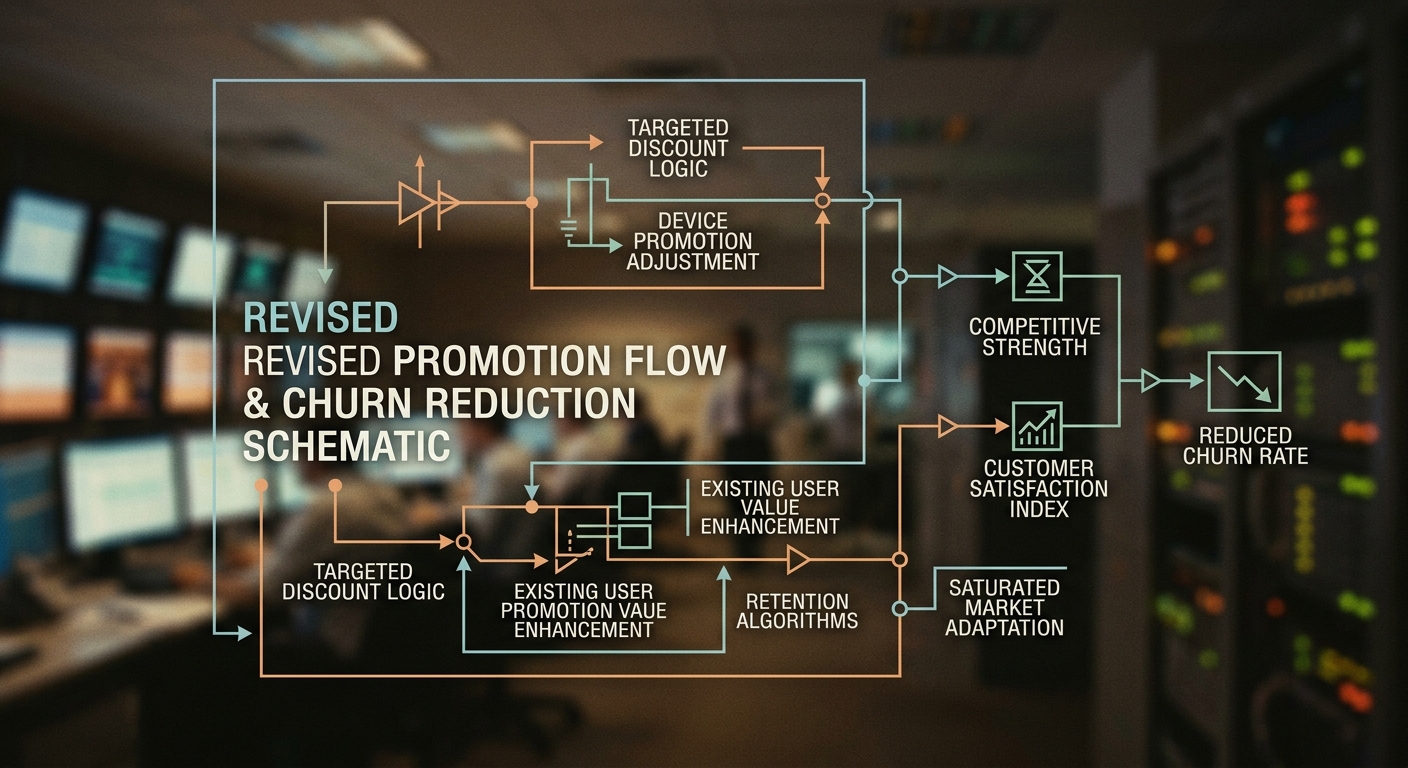
T-Mobile US Adapts Strategies to Enhance Customer Retention Amid Rising Churn Rates
T-Mobile US (Ticker: TMUS) recently adapts its discount and device promotion strategies to counteract customer dissatisfaction and rising churn rates. This significant turnaround stems from a growing…

Lumen Technologies Plans NorthLine Fiber Route to Boost Low-Latency Data Services by 2026
Lumen Technologies (Ticker: UNDEFINED) announces its ambitious plans to develop a new low-latency fiber route called NorthLine, connecting Seattle and Minneapolis by the end of 2026. This strategic in…

Verizon Joins AT&T and T-Mobile to Enhance U.S. Wireless Connectivity and Address Dead Zones
Verizon Communications (Ticker: VZ) takes a significant step in enhancing wireless connectivity across the United States by joining forces with AT&T and T-Mobile. This joint venture aims to tackle the…