
ADP Report: AI's Impact on Job Losses Among Young Workers and Workforce Transformation
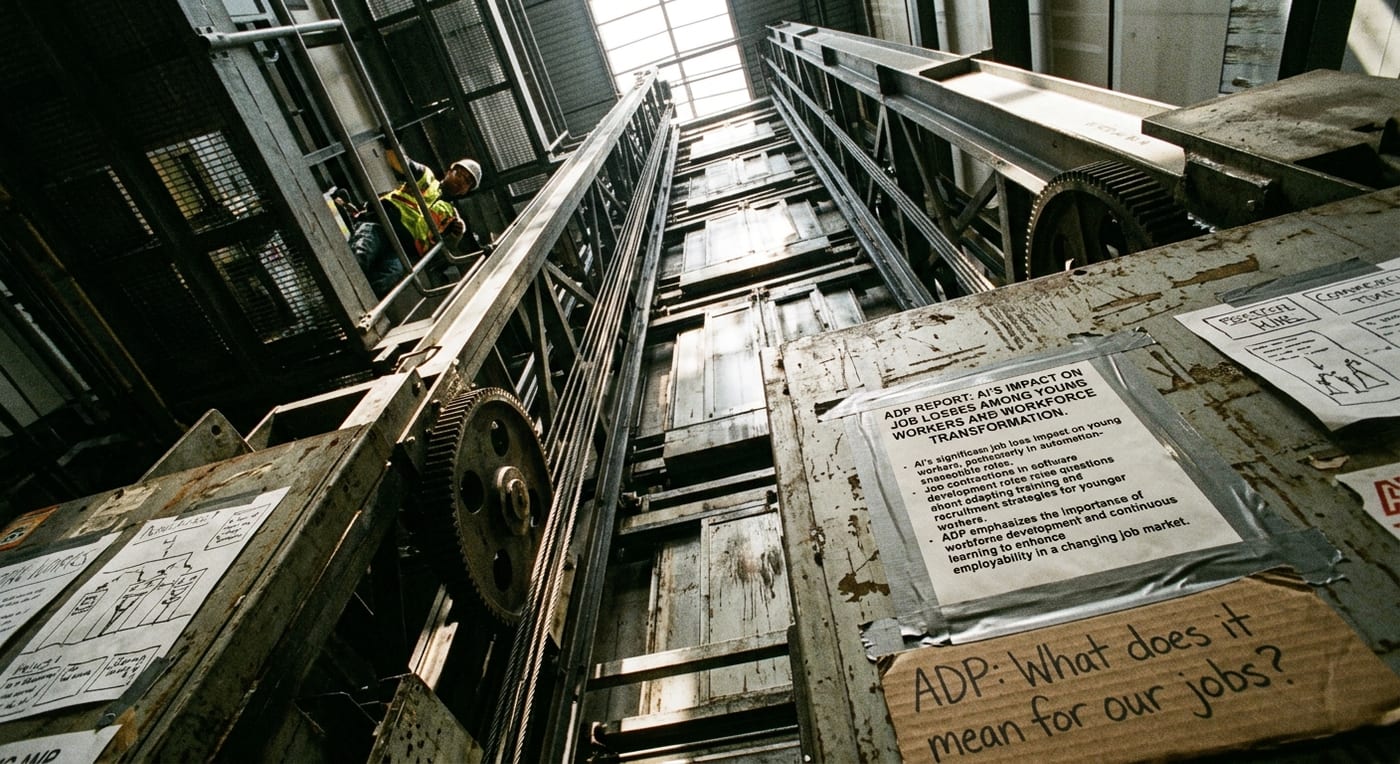
- ADP report highlights AI's significant job loss impact on young workers, particularly in automation-susceptible roles.
- Job contractions in software development roles raise questions about adapting training and recruitment strategies for younger workers.
- ADP emphasizes the importance of workforce development and continuous learning to enhance employability in a changing job market.
A recent report from Automatic Data Processing (ADP) sheds light on the significant impact of artificial intelligence on the labor market, especially among young workers. The collaboration with the Stanford Digital Economy Lab highlights alarming job losses for individuals aged 22 to 25, particularly in occupations that are highly susceptible to automation. These findings are of particular importance as they reflect a broader trend of workforce transformation within various industries. As AI technologies continue to gain traction, entry-level positions, especially in software development, are experiencing significant contractions, further complicating the employment landscape for this age group.
Reshaping Workforce Dynamics
The ADP report provides crucial insights into how AI adoption is reshaping job availability for younger workers. The analysis indicates that while the tech sector, specifically software development roles, faces sharper job reductions, other fields may not experience the same level of disruption. This dichotomy raises important questions regarding the future of work and how companies can adapt their training and recruitment strategies to meet the evolving demands of the market. By focusing on reskilling and upskilling, organizations can better prepare new entrants to the workforce for roles that are less likely to be automated, ensuring a smoother transition into a rapidly changing job environment.
Collaboration for Future Readiness
Furthermore, the implications of these findings extend beyond just job loss statistics. As ADP emphasizes the need for workforce development initiatives, business leaders must consider how to foster a workplace culture that prioritizes continuous learning and adaptability. The restructuring of labor dynamics underscores the importance of collaboration between educational institutions, businesses, and policymakers to create pathways that enhance employability and skill development for young professionals.
ADP's Leadership Amid Challenges
In addition to the adverse effects on young job seekers, Automatic Data Processing remains a key player in the Professional Services industry. With over 1.1 million clients globally and significant management of payroll for approximately 42 million workers, ADP continues to lead in market share despite facing evolving workforce challenges. Its robust financial health, indicated by a solid Return on Equity (ROE) of 21.34%, positions the company favorably for future growth and challenges in the industry.
Innovating Towards Resilience
Moreover, as automation technologies reshape job functions, ADP’s focus on cloud-based human capital management solutions reflects its commitment to not only adapting but innovating within the dynamic landscape of work solutions. This strategic direction could enable ADP to support its clients in navigating the complexities brought on by AI and other technological advancements, ultimately contributing to a more resilient labor market.
Related Cashu News

Liquidity Services Extends Credit Agreement and Secures Miami-Dade County Auction Contract
Liquidity Services, Inc. (Ticker: LQDT) strengthens its market position with the recent extension of its credit agreement with Wells Fargo Bank for one additional year, now set to mature on March 31,…

Broadridge Financial Solutions Launches Tokenized U.S. Securities with Ondo Finance Partnership
Broadridge Financial Solutions (Ticker: BR) partners with Ondo Finance to launch tokenized U.S. securities, marking a significant innovation in the financial technology sector. This initiative introdu…

ABM Industries Partners with Atlanta Braves to Innovate Facility Management with Technology
In June 2026, ABM Industries (Ticker: ABM) establishes a transformative partnership with Major League Baseball's Atlanta Braves, marking a significant advancement in the company's facility management…

Waste Management Boosts Market Visibility Through Strategic Index Inclusion for Value Investors
Waste Management (Ticker: WM) actively enhances its market visibility through strategic index inclusion that benefits the company beyond immediate stock performance. The firm's recent addition to seve…