
Alibaba's AI Journey: Challenges and Growth
ED
Editorial
Cashu Markets·5 min read
TL;DR
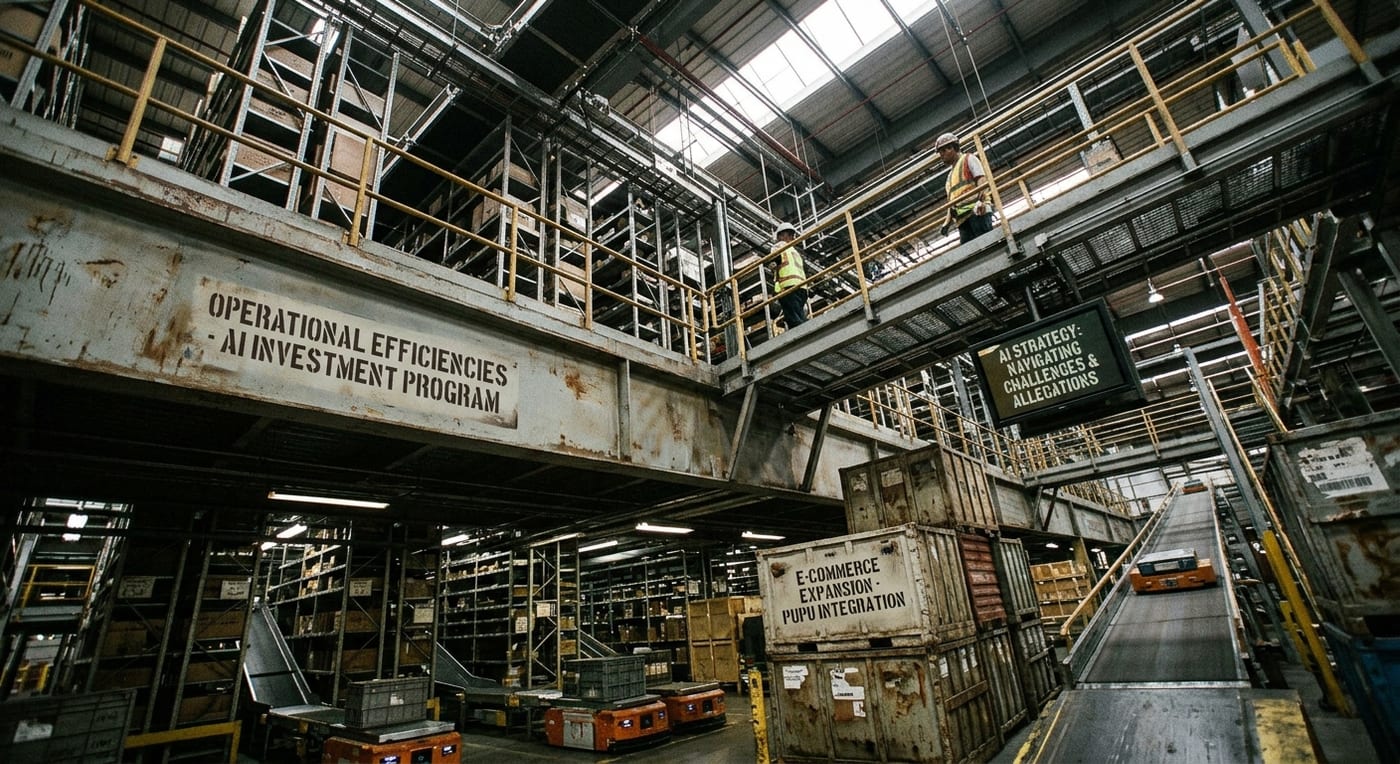
- Alibaba is heavily investing in AI to enhance its logistics and operational efficiencies.
- The company faces significant allegations from Anthropic, challenging its AI strategies.
- Alibaba's acquisition of Pupu highlights its aggressive e-commerce expansion strategy.
Alibaba Group Holding Limited (BABA) continues to navigate a complex landscape marked by innovation, regulatory scrutiny, and competition. Over the past few months, the company has embarked on an ambitious strategy focused on artificial intelligence (AI) and e-commerce, reflecting its commitment to remaining a key player in the tech industry. This article explores Alibaba’s strategy to embrace AI, the challenges it faces, particularly concerning allegations from competitors, and its broader implications for its growth prospects.
Embracing AI for Competitive Edge
Alibaba's leadership under Chairman Joe Tsai has signaled a robust commitment to integrating AI across its operations. This strategic pivot is not just a reaction to market trends but represents a calculated plan to assert Alibaba’s position as a leader in AI applications. The company is investing heavily in AI research and development, anticipating that advanced technologies can significantly enhance its logistics and operational efficiencies. With ambitious AI initiatives like the Token Foundry, Alibaba aims to broaden its technological reach beyond e-commerce, fostering innovation that could redefine consumer engagement.
Recent reports indicate that Alibaba is making significant strides in enhancing its AI capabilities, introducing new Qwen AI models while expanding its AI cloud services. This layered approach not only positions Alibaba as a formidable competitor in the tech race but also embraces the potential of AI to optimize various segments of its business. The company's focus on AI highlights a market-wide shift where firms are increasingly looking to leverage cutting-edge technology to capture market share.
In alignment with this strategic thrust, Alibaba is fostering a culture of innovation, integrating employee engagement initiatives aimed at aligning their interests with AI ambitions. Many are optimistic about Alibaba's long-term growth trajectory in this domain, helping it navigate current market pressures while investing in future capabilities.
Scrutiny Over AI Practices
However, Alibaba's journey is not without its roadblocks. The company is facing serious allegations from Anthropic, a rival AI company, that it improperly accessed AI models through fraudulent means. This controversy revolves around claims of a "distillation attack," where it is suggested that Alibaba attempted to extract proprietary capabilities from Anthropic's AI framework. These allegations have heightened concerns surrounding intellectual property rights and ethics in AI development, a matter that is drawing increasing scrutiny from various stakeholders within and outside the sector.
The legality and ethics surrounding these allegations reflect larger trends in the technology industry, where fierce competition has sparked numerous disputes over innovations and proprietary technologies. In response to the tensions, Alibaba has decided to ban the use of Anthropic's AI tools, indicating a shift towards reliance on its homegrown solutions like the Qoder AI assistant. This move underscores not only a reaction to competitive threats but also reflects ongoing geopolitical tensions influencing business decisions within the tech landscape.
A Strategic Acquisition to Boost E-commerce
In parallel to its AI strategy, Alibaba has been aggressively pursuing expansion in the e-commerce landscape. A notable development includes its plan to acquire the online grocer Pupu for $1.5 billion. This acquisition illustrates Alibaba's strategy to enhance its grocery portfolio amid an increasing shift in consumer preferences toward online shopping. By integrating Pupu’s capabilities, Alibaba aims to strengthen its competitive footing in the grocery sector, leveraging existing consumer trends while further diversifying its offerings.
The shift to online grocery shopping, accelerated by recent global events, has presented a ripe opportunity for Alibaba. The company's robust e-commerce platform positions it well to capitalize on this growth, likely enhancing margins and customer retention through a strengthened product base. With the grocery sector undergoing substantial transformation, Alibaba’s proactive measures to expand its presence via acquisitions speak volumes about its intent to dominate in all facets of e-commerce.
Navigating Geopolitical Challenges
Yet, Alibaba's expansion efforts come against a backdrop of geopolitical challenges, particularly in relation to U.S.-China relations. The Pentagon has flagged Alibaba for alleged ties to the Chinese military, which has serious implications for its international operations and reputation. The company vehemently denies the accusations, asserting its commitment to operating independently and in compliance with international standards. Nonetheless, these allegations reflect prevalent fears in the U.S. regarding the security of Chinese technology firms, which could pose operational hurdles and dampen investor sentiment.
Alibaba’s ability to successfully navigate these geopolitical tensions will be crucial for its global presence moving forward. The heightened scrutiny could force the company to adapt its global strategies significantly, focusing more on compliance and transparency to build investor confidence.
Closing Thoughts
In summary, Alibaba Group Holding Limited is at a significant juncture as it strives to harness the potential of AI, expand its e-commerce capabilities, and manage legal and geopolitical pressures. The company's commitment to AI innovation reflects a sophisticated understanding of industry trends, suggesting a proactive approach to emerging competitive threats.
Simultaneously, as it addresses regulatory scrutiny and strives to enhance its e-commerce segment, Alibaba must effectively communicate its strategic vision to stakeholders. With its multifaceted approach, Alibaba is well-positioned to continue making impactful choices that could influence its trajectory in the tech landscape for years to come. Investors and watchers alike will need to keep a keen eye on how these dynamics unfold within this challenging environment. The same pressure is reflected in recent reporting on the issue, which helps explain why the company's pricing decisions remain under scrutiny.