
Alibaba's Strategic AI Integration
ED
Editorial
Cashu Markets·5 min read
TL;DR
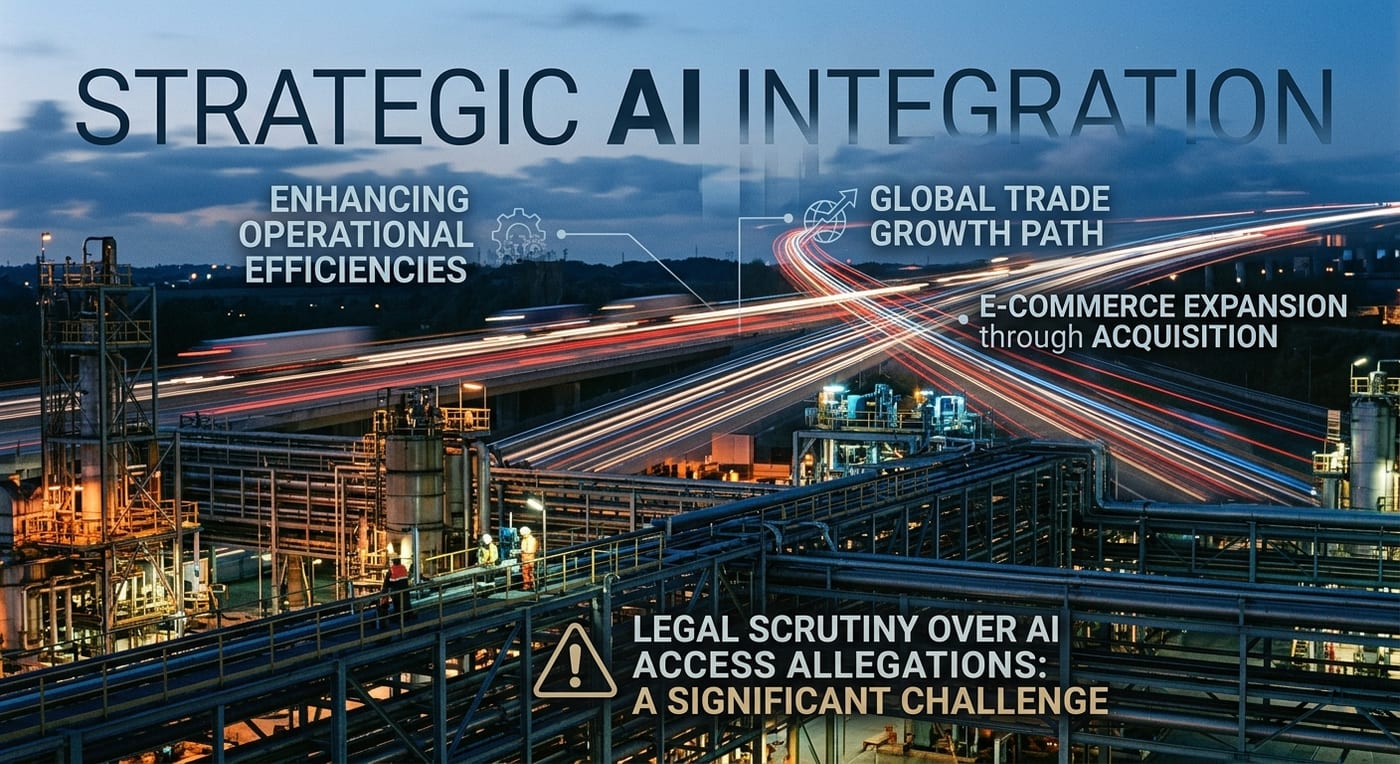
- Alibaba's commitment to integrating AI aims to enhance operational efficiencies.
- Legal scrutiny over AI access allegations poses challenges for the company.
- E-commerce expansion through acquisition highlights Alibaba's strategic growth path.
Alibaba Group Holding Limited (BABA) is demonstrating a proactive approach in the ever-evolving landscape of technology, particularly through its extensive investments in artificial intelligence (AI) and e-commerce.
As the company seeks to enhance operational efficiencies and secure its position at the forefront of the tech industry, its strategies are becoming increasingly critical to both its growth prospects and investor confidence.
The Integration of AI at Alibaba
Under the leadership of Chairman Joe Tsai, Alibaba has embarked on an ambitious journey focused on integrating AI across its suite of services. This is not merely a knee-jerk response to market trends but a calculated move designed to ensure that the company capitalizes on AI's transformative potential.
With significant resources channeled into AI research and development, Alibaba aims to operationalize AI capabilities that can significantly enhance customer engagement, streamline logistics, and improve overall service delivery.
The recent partnership with Apple to integrate its Qwen AI model into Apple’s suite of services in China marks a pivotal point in settling Alibaba’s AI credentials within the global tech landscape. Following the announcement, Alibaba’s Hong Kong shares saw a significant uptick, reflecting market optimism surrounding this collaboration, which promises to synergize AI capabilities across platforms.
The integration aims to provide seamless service enhancements, elevating user experiences across various Apple devices.
Legal Hurdles and Competitive Pressures
However, as Alibaba pushes forward with its strategic initiatives, it is not without challenges. The company faces significant scrutiny, particularly due to allegations from Anthropic claiming that Alibaba improperly accessed its AI models.
This controversy underscores the ethical issues inherent in the rapidly evolving field of artificial intelligence and could potentially impact investor sentiment.
The legal scrutiny comes at a time when confidence in Alibaba is paramount, especially as it positions itself as a key player in the AI domain. These allegations, if proven substantial, could lead to stricter regulations in the industry, which would not only affect Alibaba but the broader competitive landscape as well.
The need for safeguarding intellectual property becomes increasingly pressing as companies vie for technological supremacy.
Strategic Moves in E-Commerce
In addition to its AI endeavors, Alibaba's acquisition of Pupu, an online grocer, highlights its commitment to expanding its e-commerce footprint.
This move aligns with the company’s broader strategy to diversify its offerings and capture a larger share of the burgeoning online shopping market, particularly amid changing consumer behavior post-pandemic.
By enhancing its portfolio and technological capabilities, Alibaba is better positioned to meet the evolving demands of consumers, which in turn may drive growth and improve margins.
Investors might draw parallels between Alibaba's aggressive e-commerce strategy and its AI investments, as both reflect the company’s intent to stay ahead of competitors, particularly in light of global technological competition.
The synergy between these initiatives could be vital in fostering a robust market position that attracts consumer loyalty in an increasingly crowded space.
Macro Conditions Affecting Alibaba
As Alibaba navigates its strategic landscape, macroeconomic conditions are playing a substantial role in shaping its trajectory.
The ongoing tensions between the U.S. and China regarding technology and trade policies affect not only operational dynamics but also investor perspectives.
For instance, the U.S. has taken steps to limit access to high-end chips crucial for AI advancements, which poses a challenge for Chinese firms, including Alibaba, trying to innovate and lead in the AI domain.
Moreover, the Chinese government's regulatory environment has remained unpredictable, adding another layer of complexity for companies like Alibaba.
The fine line between fostering innovation and adhering to government regulations can be difficult to navigate, but Alibaba's recent moves suggest a robust approach toward compliance and adaptation.
Investor Sentiment and Future Outlook
Investor sentiment surrounding Alibaba remains a crucial factor that will determine its capacity to leverage its technological innovations effectively.
The growing legal concerns have prompted calls for transparency and accountability, which could influence how investors view the company’s long-term potential.
Importantly, with the recent news of AI partnerships and technological advancements, Alibaba has a significant opportunity to regain momentum and confidence in the market.
As companies across China strive for AI dominance, Alibaba's approach illustrates a commitment to integrating cutting-edge technology in order to meet its operational goals.
The combination of AI expertise, expanded e-commerce capabilities, and careful navigation of legal regulations presents a multifaceted strategy that could well serve Alibaba in maintaining its competitive edge.
In conclusion, Alibaba Group Holding Limited's trajectory reflects a complex interplay of strategic initiatives in AI and e-commerce, legal scrutiny, and responsive adaptations to macroeconomic factors.
As the company continues to invest heavily in these areas, its future prospects will heavily rely on its ability to align growth objectives with regulatory compliance and investor expectations.
For now, Alibaba’s commitment to innovation and market responsiveness holds promise for its sustained relevance in an increasingly competitive tech landscape. The same pressure is reflected in recent reporting on the issue, which helps explain why the company's pricing decisions remain under scrutiny.