
Amazon's AI-Driven Transformation Journey
ED
Editorial
Cashu Markets·5 min read
TL;DR
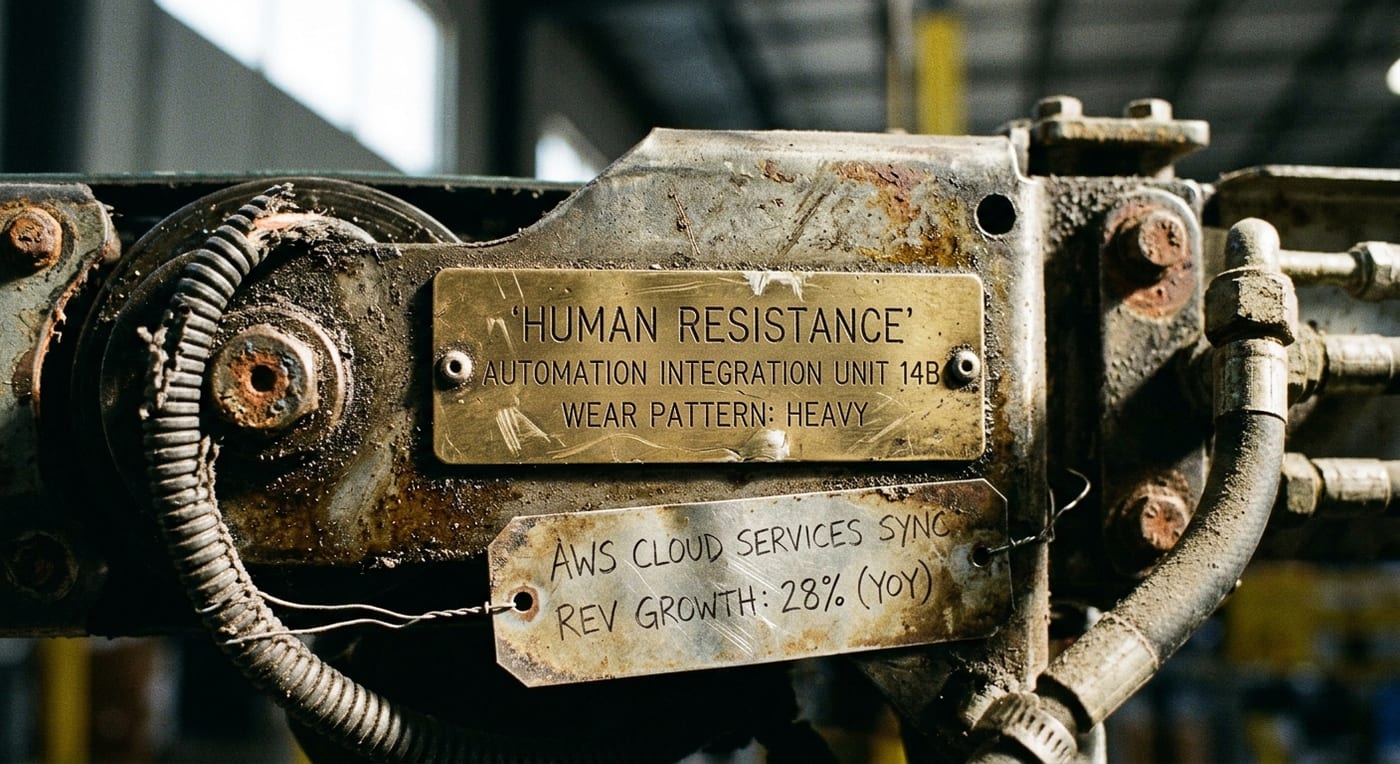
- Amazon invests heavily in AI and cloud services - AWS reports a significant 28% revenue growth - Automation efforts face human resistance in warehouses
Amazon.com, Inc. ( AMZN) is undergoing a significant transformation marked by strategic investments in artificial intelligence (AI) and innovations within its business model. The company's ambition is not just to maintain its e-commerce dominance but to extend its influence over the cloud computing landscape, primarily through Amazon Web Services (AWS). These advancements come at a time when the competitive pressures in the tech industry are intensifying, and operational efficiencies are paramount for sustained growth.
AI as a Core Component of Amazon's Strategy
Artificial intelligence has emerged as a cornerstone of Amazon's strategy, fundamentally altering how it operates across various sectors. The company recognizes that integrating AI technologies can enhance customer experience, drive efficiency, and maintain competitive advantages. AWS, in particular, has shown impressive growth, with a reported year-over-year revenue increase of 28%, reaching $37.6 billion in the first quarter of 2026. This surge in revenue reflects the increasing demand for cloud services as businesses around the globe shift towards digital transformation.
Amazon has strategically invested $25 billion in enhancing its data centers and AI capabilities. These investments are crucial as they enable AWS to not only expand its service offerings but also integrate innovative AI solutions that improve operational efficiencies and customer service. As mentioned in previous analyses, Amazon's heavy investment in AI is poised to reshape its business model and solidify its central role in the evolving tech landscape, positioning the company well for future growth.
Challenges and Achievements in Robotics and Automation
However, this ambitious transformation is not without its challenges. Amazon's ventures into automation and robotics reflect a broader trend towards technological integration, yet they face human resistance. Recently, Amazon has been testing software that dictates staffing allocations in warehouses, but reports indicate that some warehouse managers are resistant to fully adopting these automated recommendations. Internal documents indicate a clash between algorithm-driven efficiency and human discretion, highlighting the complexities of integrating AI in operational roles where adaptability and situational awareness are crucial.
Despite these challenges, Amazon's pursuit of automation has yielded considerable operational efficiencies. Automated systems promise savings, and the company is committed to overcoming managerial resistance to achieve its ambitious goals, emphasizing the importance of fostering trust in AI technologies among employees.
AWS Continues to Dominate
Within the lungs of Amazon's ecosystem, AWS stands as a formidable titan. The division outperformed expectations with its latest revenue figures, reinforcing its position as the largest cloud service provider globally. AWS accounted for nearly 30% of the global cloud market and continues to expand its services, significantly benefitting from the rise in demand for AI infrastructure.
Investment into AWS's AI platforms is notably increasing; spending on Bedrock—AWS's AI building platform—rose by an astonishing 170% sequentially in Q1 2026. Such investments reveal Amazon's commitment to harnessing AI, not only improving its service delivery but also making strides into areas like intelligent processing and predictive analytics.
Moreover, Amazon's ability to secure deals with major corporations for its cloud services underscores its competitive edge. Companies across various sectors are increasingly relying on AWS for their digital infrastructure needs, contributing significantly to the sustained revenue growth seen recently.
Impact of Legal Challenges
While Amazon continues to navigate its internal transformations and external market conditions, it must also contend with legal challenges that could impact its reputation and operational strategy. Recently, the company faced a lawsuit following a tragic school bus accident involving a driver connected to Amazon's delivery services. This incident raises concerns about the company's operational oversight and background checking processes for third-party delivery contractors. As the family of the injured teen seeks damages, the outcome could have broader implications for Amazon's image as a responsible corporate entity and its approach to ensuring the safety of its supply chain.
Amazon's spokesperson stated the company is deeply sympathetic to the family involved and attributed some responsibility to the third-party logistics provider's background checks. This highlights the inherent risks associated with outsourcing delivery services and the need for robust operational standards to mitigate such incidents.
Looking Ahead: Innovations and Growth Potential
As Amazon forges ahead with its AI-driven growth strategy, the company continues to innovate, expanding its services and product offerings across various markets. In addition to cloud computing, Amazon's e-commerce platform remains a critical driver of the company's growth, representing over 60% of its total sales. The company currently commands over 40% of the U.S. e-commerce market and is continually refining its logistics to enhance delivery efficiencies.
The implementation of advanced fulfillment strategies, such as one-hour delivery and expanding reach to over 4,500 U.S. cities for same-day delivery by year-end, showcases Amazon's relentless dedication to customer satisfaction. Such initiatives not only enhance consumer trust but also set the stage for scaling Amazon's market presence.
Conclusion: Preparing for a Competitive Future
Amazon.com, Inc. is at a pivotal moment in its evolution, balancing its investments in AI and automation against operational challenges and market volatility. With AWS leading the charge for revenue growth and e-commerce remaining robust, the company's strategic direction suggests a promising long-term outlook. However, to achieve its ambitious goals and solidify its market dominance, addressing legal, operational, and managerial hurdles will be necessary. As Amazon continues to innovate and adapt, its capacity to integrate advanced technologies while ensuring safety and compliance will ultimately dictate its future success in an ever-evolving landscape. The same pressure is reflected in recent reporting on the issue, which helps explain why the company's pricing decisions remain under scrutiny.