
Amazon's AI Revolution and E-commerce Growth
ED
Editorial
Cashu Markets·5 min read
TL;DR
- Amazon invests heavily in AI and cloud services.
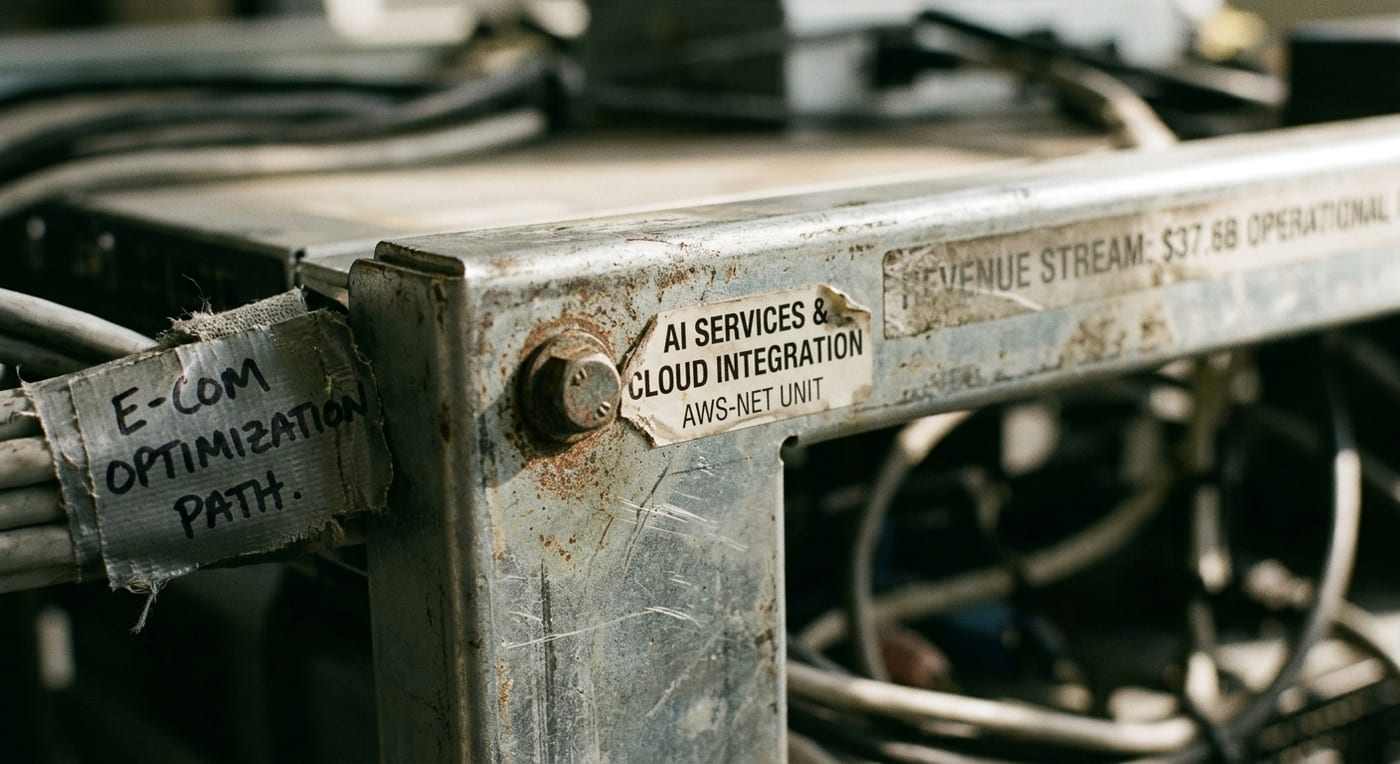
- AWS reports impressive revenue growth, reaching $37.6 billion.
- E-commerce remains strong, with efficient operations driving profits.
Amazon.com, Inc. ( AMZN) is at a transformative juncture, employing substantial investments in artificial intelligence (AI) and innovating across its e-commerce and cloud computing platforms. As it navigates competitive pressures in technology and retail, Amazon's integration of AI into its services is becoming a defining factor in its growth strategy.
The Power of Amazon Web Services (AWS)
Amazon's cloud division, Amazon Web Services (AWS), continues to play a pivotal role in the company’s overall growth narrative. AWS reported an impressive 28% year-over-year revenue growth, reaching $37.6 billion in its recent quarter. These figures highlight a robust demand for cloud computing as businesses increasingly rely on digital solutions. The successful financial performance of AWS demonstrates the effectiveness of Amazon's investments in AI-driven technologies, which are pivotal in enhancing operational efficiencies and improving service delivery.
The firm's continued focus on expanding its AI capabilities supports a broader strategy aimed at capturing a significant share of the growing cloud services market. As competition in this sector intensifies, AWS's recent partnerships with tech firms, including Anthropic, are crucial in reinforcing its market position and driving future revenue growth.
Streamlining Alexa's Operations
Part of Amazon's AI-driven transformation includes a critical reevaluation of its AI products, notably Alexa. Recent internal documents revealed Amazon's strategy to redesign its voice assistant by reducing dependency on external models, particularly those developed by Anthropic. By optimizing the use of in-house models, Amazon aims to slash operational costs—an essential move, given that internal forecasts suggest AWS cloud costs could soar to $1.7 billion for Alexa’s new iteration in 2026, nearly tripling from the previous year. This shift not only aims to enhance profitability but also indicates the company's commitment to sustainable AI usage.
Amazon's efforts to increase the efficiency of its AI infrastructure align with broader trends observed in the industry. As highlighted in previous analyses, companies are focusing on operational cost reductions while enhancing performance. This adaptive strategy could position Amazon advantageously as it seeks to navigate the competitive landscape filled with both established players and emerging disruptors.
E-commerce’s Resilience Amidst Challenges
In addition to its cloud initiatives, Amazon's e-commerce segment remains a significant contributor to its overall performance. With the recent Amazon Prime Day event generating a remarkable surge in online sales, analysts estimate a 9% increase in U.S. online sales during this period. This growth has been buoyed by Amazon's strategic positioning and strong customer loyalty fostered through its Prime membership.
Moreover, the company continues to invest in logistics and fulfillment efficiency, employing advanced robotics and AI technologies to streamline operations. The successful deployment of over one million robots in its fulfillment centers, managed by the sophisticated Deepfleet AI model, reflects Amazon's focus on achieving operational leverage to bolster both sales and profit margins. This operational efficiency is particularly critical as Amazon aims to compete not only with e-commerce giants but also with traditional brick-and-mortar retailers.
Financial Maneuvering for Long-Term Growth
To support its ambitious AI and e-commerce strategies, Amazon has recently announced the issuance of $25 billion in debt. This strategic move, primarily intended for enhancing data centers, demonstrates the company’s aggressive expansion efforts in the cloud and AI domains. By strengthening its infrastructure, Amazon is positioning itself to harness the rising demand for cloud computing and AI capabilities crucial for sustaining long-term profitability.
The decision to focus on data center improvements, coupled with a deliberate pause on further debt issuance for 2026, illustrates a targeted approach designed to maximize returns on capital investments. Analysts have noted that such tactical financial strategies are characteristic of Amazon, enabling it to emerge stronger from investment cycles.
Competitive Landscape and Future Outlook
As Amazon continues to innovate and optimize its operational efficiencies through AI, competition remains a constant. Meta Platforms and other tech giants are increasingly eyeing the cloud computing space, seeking to establish capabilities that can rival AWS. Meta's recent discussions about partnering with Anthropic for computing capacity only emphasize the fierce competition in the tech landscape.
However, Amazon's head start and established dominance in cloud infrastructure give it significant competitive advantages. The upcoming financial results, slated for release on July 30, are expected to further illuminate the effectiveness of Amazon’s strategies in both e-commerce and cloud computing. Investors and analysts remain optimistic about Amazon's ability to leverage its AI investments and solidify its market position, paving the way for sustained growth.
Conclusion
Amazon's strategic orientation towards AI is not merely about technological advancements; it represents a comprehensive plan to redefine its business model, enhance profitability, and maintain competitive advantages across its operating sectors. By harnessing AI capabilities, optimizing costs, and enhancing customer experiences, Amazon incorporates a multifaceted strategy aimed at navigating current challenges and paving the way for robust future growth. As the company continues to drive innovation in both the e-commerce and cloud computing realms, the market will be keenly observing the outcomes of its investments and operational strategies. The same pressure is reflected in recent reporting on the issue, which helps explain why the company's pricing decisions remain under scrutiny.