
Avista's Energy Strategy: Balancing Growth with Community Concerns and Sustainability Challenges
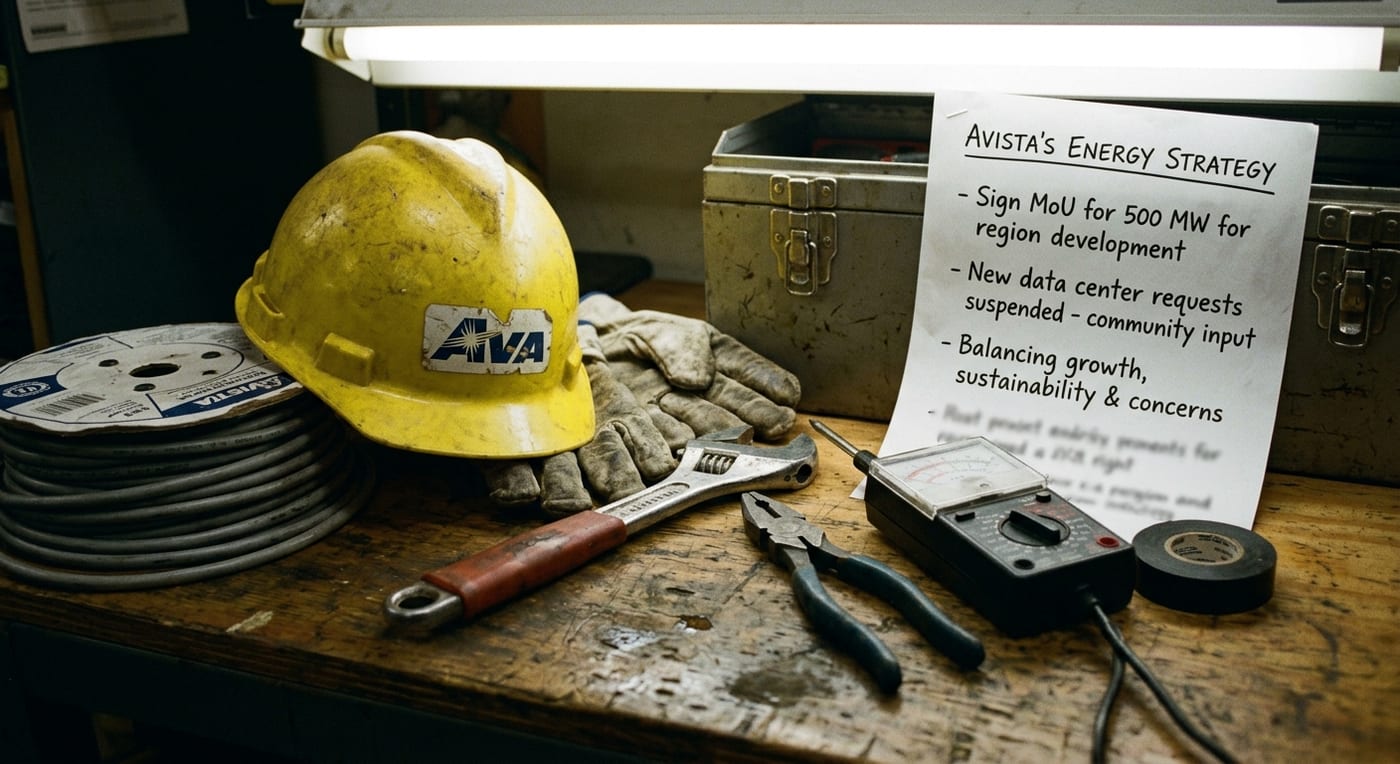
- Avista has signed a memorandum to provide an electric capacity of up to 500 megawatts for regional development.
- The company has suspended processing new energy requests from data centers, reflecting community and regulatory input.
- Avista's decisions highlight the importance of balancing energy demands with sustainability and community concerns in development planning.
Avista Corporation (AVA) reflects the complexities of transitioning energy markets in light of community and regulatory considerations. Recently, the company entered a non-binding memorandum of understanding with a Washington developer for a substantial electric service agreement. The agreement plans for an original capacity of 125 megawatts beginning in 2029, scaling up to 500 megawatts by 2032, pending necessary regulatory approvals. This potential expansion signals Avista's commitment to supporting regional development, aligning its service capabilities with the burgeoning energy demands of data centers and other large-load applications.
However, just after announcing this ambitious project, Avista makes the strategic decision to suspend processing new energy requests from data center operators. This suspension not only reflects the significance of local community input and regulatory frameworks but also highlights a fundamental challenge in energy development today. Community concerns regarding environmental impacts play a crucial role in shaping the dialogues around such large-load projects, and Avista's response underscores its responsibility to prioritize these issues in its operational planning.
Navigating Complex Stakeholder Interests
The implications of Avista's recent decisions are multifaceted. By halting new energy requests, the company raises critical questions about the future development timelines in the energy sector, particularly for data centers that are notorious for consuming vast amounts of power. Stakeholders, including investors and community members, may need to recalibrate their expectations about growth trajectories. With energy projects increasingly intertwined with public sentiment and regulatory landscapes, traditional forecasts may no longer align with emerging realities.
Emphasizing Sustainable Development
In addition to Avista's suspension of new requests, the company’s strategy reflects broader trends in the energy market, where regulators and communities are increasingly influential. This step also suggests Avista is strategically aligning its future growth with sustainable practices. By emphasizing regulatory compliance and community interests, the firm is actively working to mitigate potential backlash against large energy projects that communities could perceive as harmful.
A Bellwether for Energy Providers
Ultimately, Avista's actions serve as a bellwether for other energy providers in the industry, highlighting the increasing need for infrastructure projects that not only meet demand but are also acceptable to local stakeholders. As the energy landscape evolves, it will be crucial for companies like Avista to successfully balance ambitious growth objectives with the imperative of social responsibility and environmental stewardship.
Related Cashu News

Public Service Enterprise Group Celebrates 120 Years of Energy Innovation and Sustainability Commitment
Public Service Enterprise Group (Ticker: PEG) marks a significant milestone, celebrating over 120 years of delivering energy. This long-standing legacy in the energy sector highlights the company's co…

H2O America Increases Dividend Amid Leadership Change, Reinforcing Commitment to Shareholders
H2O America (Ticker: HTO) announces an increase in its quarterly dividend, highlighting its ongoing commitment to shareholder value in light of recent executive changes. Dividend Growth Amid Leadershi…

Black Hills Advances Utility Development for Project Jade Amid Construction Halts and Market Volatility
Black Hills Corporation (Ticker: BKH) is actively pursuing the development of its utility aspects for the Project Jade data center in Wyoming, which has seen some recent adjustments in its constructio…

American Water Works Co. Grants $75,000 for Buskirk Falls Preserve Conservation Initiative
American Water Works Co. (Ticker: AWK) advances its commitment to environmental sustainability through the recent grant awarded by the American Water Charitable Foundation. This grant, totaling $75,00…