
Bloom Energy's Rise in Clean Energy Market
ED
Editorial
Cashu Markets·4 min read
TL;DR
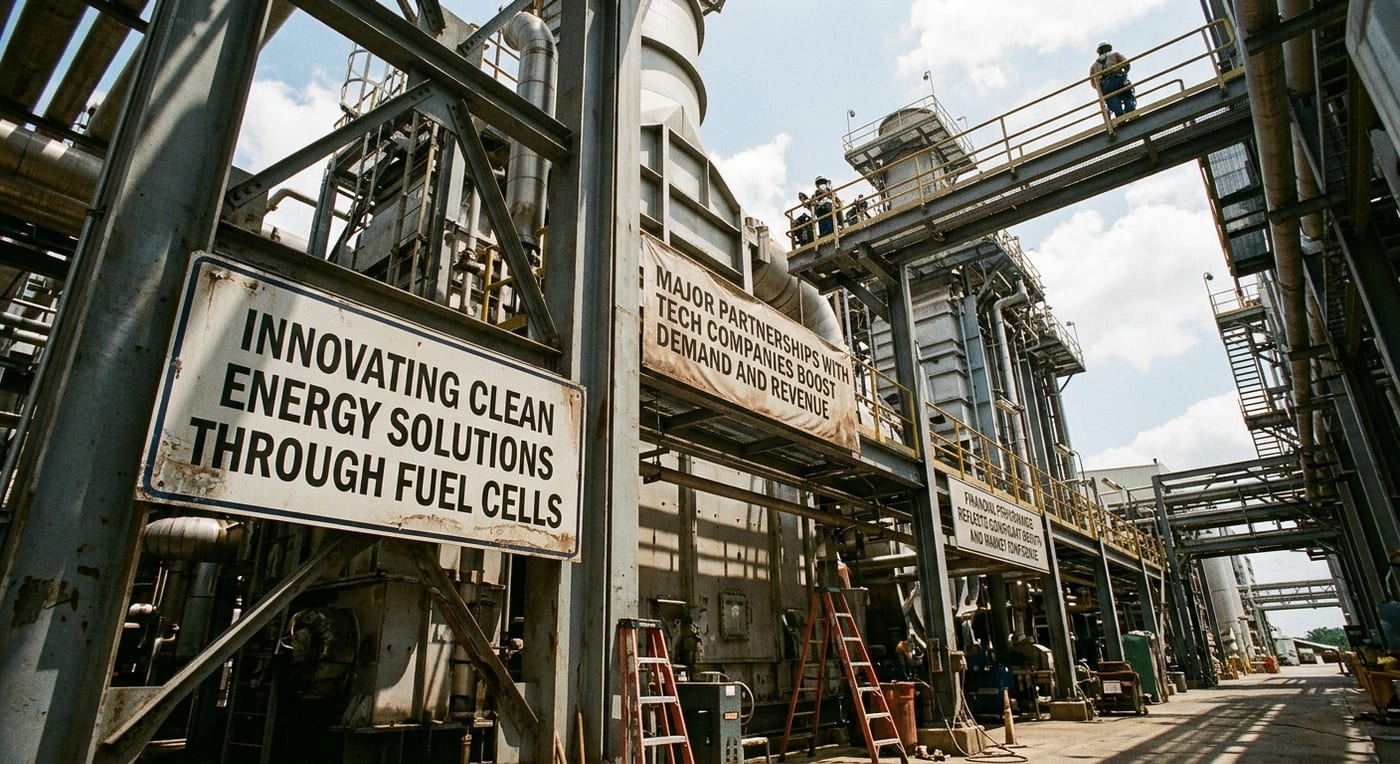
- Bloom Energy is innovating clean energy solutions through fuel cells.
- Major partnerships with tech companies boost demand and revenue.
- Financial performance reflects significant growth and market confidence.
Bloom Energy Corporation ( BE) has emerged as a significant player in the clean energy sector, fueled by soaring demand for its innovative fuel cell technology. The company's business model centers around providing reliable on-site power generation using solid oxide fuel cells, allowing customers to bypass traditional electrical grids. This dynamic approach has positioned Bloom at the forefront of a burgeoning market, especially with the growing reliance on artificial intelligence (AI) and data centers.
The Surge in Demand for Energy Servers
The energy landscape is shifting rapidly as corporations seek sustainable solutions to meet their energy needs. Bloom Energy's solid oxide fuel cells have become increasingly attractive to large tech companies looking to power data centers more efficiently. Recent reports indicate that Bloom's technology offers a viable solution to the bottlenecks faced by traditional electrical grids, enabling companies like Microsoft, Alphabet, and Oracle to deploy energy servers that generate clean electricity in as little as 90 days.
With AI workloads driving up energy consumption, companies can no longer rely solely on expanding existing grid capacities or constructing nuclear plants, both of which are time-consuming processes. Instead, Bloom's fuel cells address these challenges head-on, converting renewable natural gas, biogas, or hydrogen into electricity with minimal carbon footprints. As the demand for cleaner energy continues, Bloom stands to benefit remarkably from its unique positioning in the market.
Strategic Partnerships and Backlog Growth
Bloom Energy's growth trajectory is backed by substantial commercial contracts, notably a backlog that reached $20 billion by the end of 2025. Key collaborations with major tech giants such as Oracle highlight the confidence in Bloom's capabilities. In April, Bloom expanded its agreement with Oracle, committing to support up to 2.8 gigawatts of fuel cell capacity. Projects like Project Jupiter, a vast AI data center campus in New Mexico powered entirely by Bloom's technology, exemplify the company's potential for long-term revenue generation.
These partnerships underline Bloom's operational strengths and the tangible demand for its products. Additionally, in recent months, Bloom secured a 328-megawatt deployment deal with AI infrastructure firm Nebius, further solidifying its role as a leading provider of energy solutions for the tech sector. The depth of these relationships indicates a strong market confidence in Bloom Energy’s offerings.
Financial Performance and Future Outlook
Bloom Energy's financials have shown remarkable improvement, signifying a potential turning point for the company. In its latest earnings report, Bloom posted a record $751.1 million in revenue for the first quarter, marking a staggering 130.4% increase year-over-year. With manufacturing scale benefits that expanded its gross margin beyond 30%, Bloom has managed to achieve net income of $70.6 million, a stark contrast to the loss reported for the same period the previous year.
The company has also updated its full-year revenue guidance, anticipating earnings between $3.4 billion and $3.8 billion. This optimism reflects the rapidly changing energy landscape and Bloom's integral role in the transition towards sustainable energy solutions. The robust growth figures are a testament to Bloom's ability to provide innovative technology options that align with global efforts to reduce dependency on fossil fuels.
Furthermore, Bloom Energy is at a crossroads of requiring strategic investments to double its factory capacity from 1 gigawatt to 2 gigawatts by the end of 2026. Addressing these challenges effectively will be crucial for maintaining its upward momentum and capitalizing on the growing demand for clean energy.
Aligning with Environmental Goals
Amidst these exciting developments, Bloom Energy is also making strides in promoting sustainability. A significant recent partnership with Conagra Brands aims to implement Bloom's fuel cell technology for sustainable energy generation in the food industry. This initiative, formalized through a 15-year power purchase agreement, is projected to provide approximately six megawatts of clean energy, fulfilling 70%-75% of Conagra's electricity needs.
These efforts align with Conagra's commitment to science-based greenhouse gas reduction targets for 2030, showcasing how Bloom’s technology can enhance sustainability across various sectors.
Such collaborations not only amplify Bloom’s market reach but also spotlight its capacity to contribute to a cleaner environment, resonating well with the increasing consumer demand for corporate responsibility in sustainability.
Conclusion
In summary, Bloom Energy Corporation is navigating a transformative phase within the energy sector, characterized by surging demand for its products and significant growth in partnerships with leading corporations. Despite the operational hurdles it faces in scaling production, Bloom's strategic positioning within the clean energy landscape is robust, bolstered by its innovative technology and commitment to sustainability. As awareness and demand for renewable energy solutions continue to rise, Bloom's future prospects look promising, marking it as a compelling case study in the renewable energy revolution. The same pressure is reflected in recent reporting on the issue, which helps explain why the company's pricing decisions remain under scrutiny.