
Carnival Leads Cruise Industry in Sustainability with LNG Bunkering in Latin America
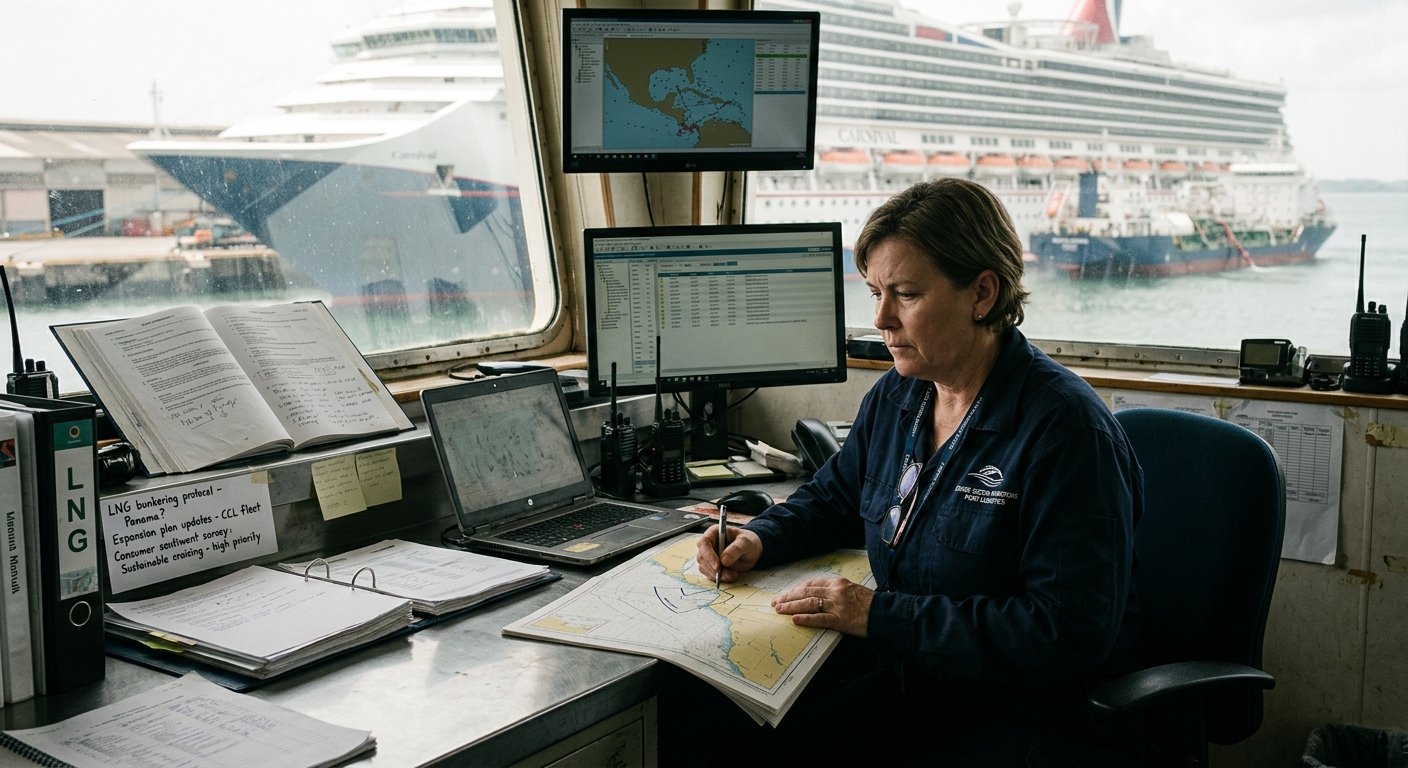
- Carnival Corporation becomes the first cruise line to introduce LNG bunkering in Latin America, enhancing sustainability efforts.
- Utilizing LNG, Carnival aims to cut emissions by up to 20%, improving eco-friendliness in cruising.
- Carnival plans to expand its LNG-capable fleet, responding to rising consumer demand for sustainable travel options.
Carnival Corporation (CCL) makes a significant stride in environmental sustainability by becoming the first cruise line to introduce Liquefied Natural Gas (LNG) bunkering in Latin America. This pivotal operation occurs at Isla Tropicale in Roatán, Honduras, and represents a critical step in Carnival’s decarbonization strategy aimed at achieving net-zero greenhouse gas emissions by 2050. The refueling of Carnival’s ship, Carnival Jubilee, not only sets a precedent in the cruise industry but also strengthens Honduras's role in international maritime energy, ultimately supporting local economic development and energy initiatives.
LNG as a Game Changer for Carnival
The utilization of LNG is a game changer for Carnival as it explores alternative fuels to significantly reduce direct carbon emissions. Experts indicate that LNG fuel can cut emission levels by up to 20%, while also decreasing nitrogen oxides, sulfur oxides, and particulate matter emissions. Carnival’s Vice President of Strategic Sourcing - Fuel, Michael McNamara, stresses the necessity of collaborative efforts in expanding LNG bunkering on a global scale, a move that demonstrates Carnival’s commitment to advancing sustainability practices within the cruise sector.
Commitment to Eco-Friendly Cruising
As Carnival (CCL) operates 11 LNG-capable ships and plans to expand this fleet with seven more by 2033, this transition positions the company at the forefront of eco-friendly cruising. It illustrates a proactive approach not only in improving operational efficiency but also in responding to increasing consumer demand for greener travel options. The implications of this initiative are profound, potentially influencing operational strategies throughout the cruise industry as consumers become more environmentally conscious.
Broader Impact on Tourism and Economic Growth
Carnival’s innovative LNG initiatives exemplify a broader commitment to sustainability within the tourism sector. Additionally, energy officials in Honduras, including Miguel Ángel Gámez, highlight the importance of attracting LNG operations to the region, as it aligns with national energy goals. The advent of LNG bunkering in regions like Roatán is likely to enhance Carnival's business operations while fostering local investments and supporting regional economic growth. This aligns well with Carnival’s objective to enhance guest experience through eco-friendly practices throughout its itineraries, establishing a positive impact on environmental standards in cruise operations.
Related Cashu News

UTI Launches Electric Vehicle Courses to Meet Growing Demand for Skilled Technicians
Universal Technical Institute (Ticker: UTI) takes a significant step in automotive education with its nationwide rollout of courses concentrating on electric vehicles (EV) and battery hybrid electric…

Sabre Partners with SUNRATE to Enhance Global Payment Solutions for Travel Industry
Sabre (Ticker: SABR) expands its global payment capabilities through a strategic partnership with SUNRATE, announced at the Phocuswright Europe conference. This collaboration aims to enhance the trave…

Dave & Buster's Faces Challenges Amid Disappointing Earnings and Strategic Revitalization Efforts
Dave & Buster’s Entertainment (Ticker: PLAY) faces significant challenges as it releases disappointing first-quarter earnings results, exposing vulnerabilities in its operational strategy amidst a com…

El Pollo Loco Reintroduces Beloved BBQ Black Beans to Delight Customers in 2026
El Pollo Loco Holdings (Ticker: LOCO) is set to delight its customers with the highly anticipated return of the BBQ Black Beans, a beloved side dish that will be available starting June 25, 2026. This…